Intermittent fasting can make meal timing simpler, but it also affects when you have energy for exercise. In the common 16:8 schedule, a person fasts for 16 hours and eats during an eight-hour window. The timing of that window can be adjusted to suit daily routines.
Exercise is still important during a fasting plan, particularly for maintaining strength and muscle while losing weight. However, intense training without food may leave some people feeling weak or reduce their performance. Building significant muscle can also be harder when calorie intake is restricted, since training and recovery require adequate energy and nutrition.
Plan food around strength training
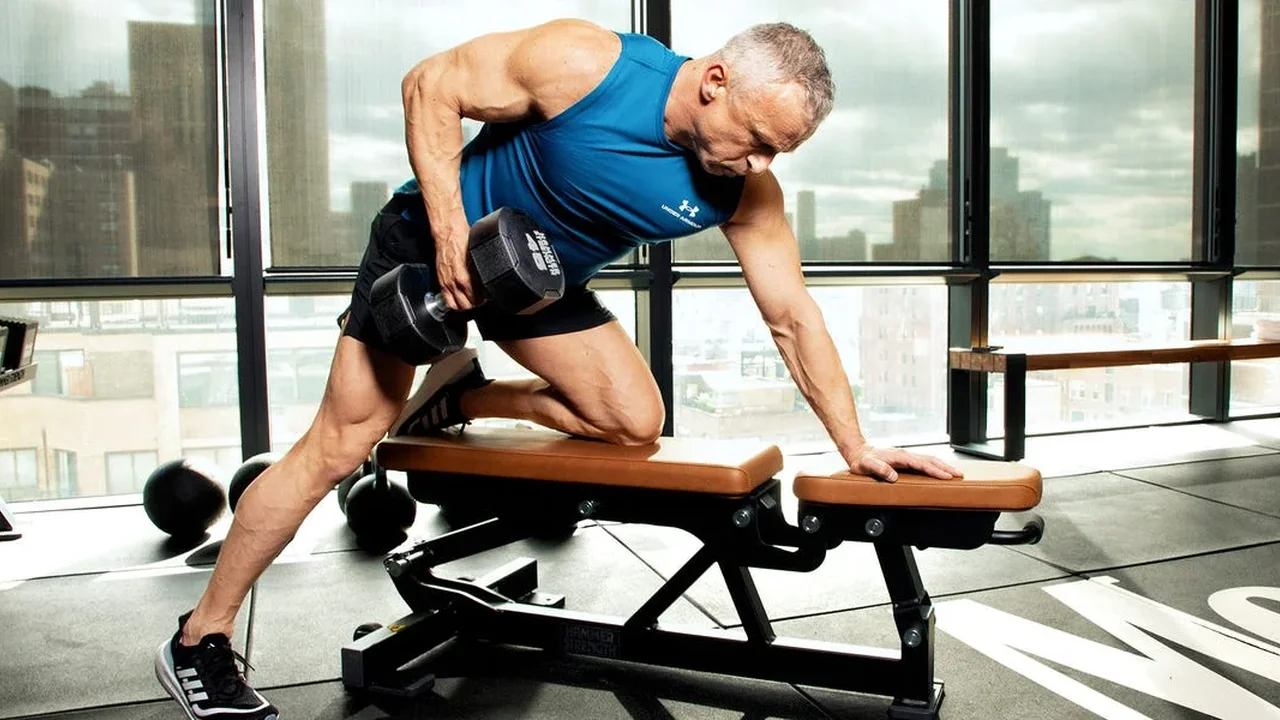
When possible, schedule weight training within the eating window. Having a meal or snack beforehand can provide energy, while eating afterward supports recovery. A meal containing protein and carbohydrates can help replenish the body after a demanding session. If the workout falls outside the eating period, adjusting the window may make it easier to fuel and recover.
For people aiming to preserve muscle while fasting, regular resistance training can help. A moderate full-body routine two or three times a week may be a practical starting point, depending on fitness level and individual needs.
Adjust cardio and listen to your body
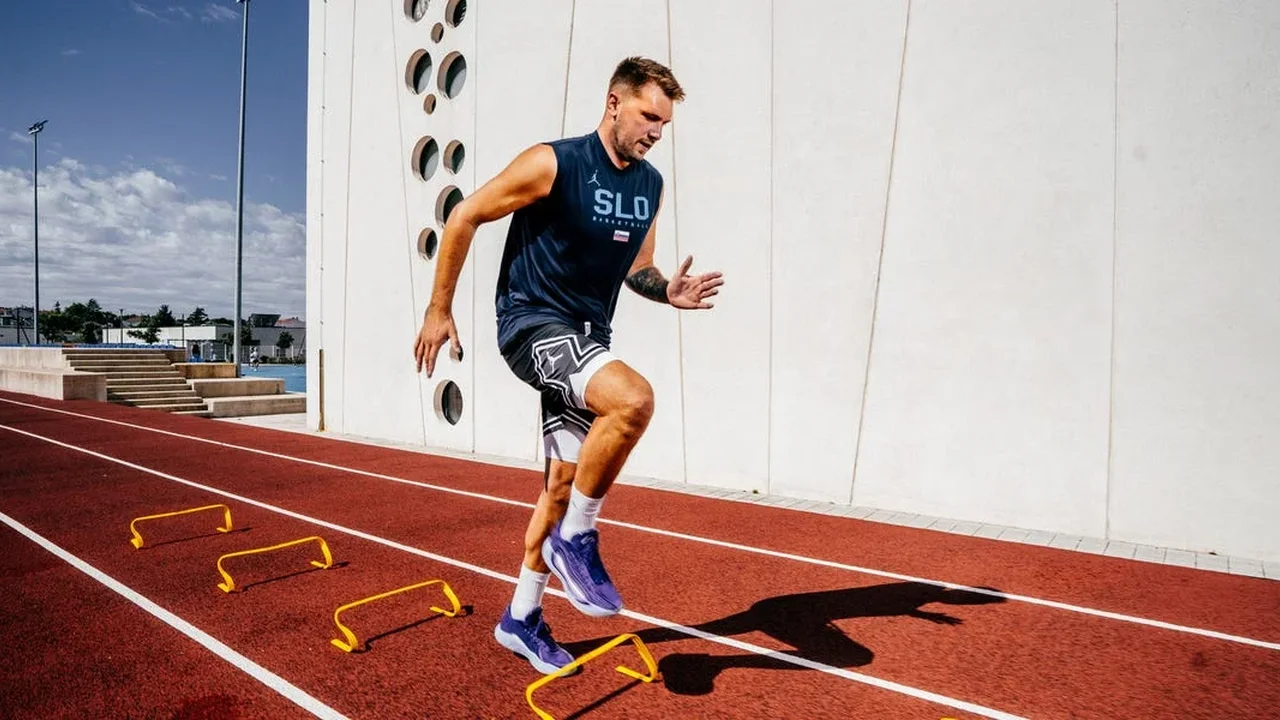
Some people find steady, lower-intensity cardio manageable before eating, but fasted exercise is not suitable for everyone. Stop if you feel dizzy, unusually weak, or unwell, and take fluids and food as needed. Burning fat during a workout does not automatically mean long-term fat loss; overall energy balance also matters.
Intermittent fasting is not appropriate for everyone. Anyone with a medical condition, a history of disordered eating, or who is pregnant should seek professional advice before changing eating or exercise habits. A doctor or registered dietitian can help determine whether the approach is suitable.
With thoughtful timing and attention to individual needs, future nutrition plans can better balance training performance, recovery, and sustainable routines.