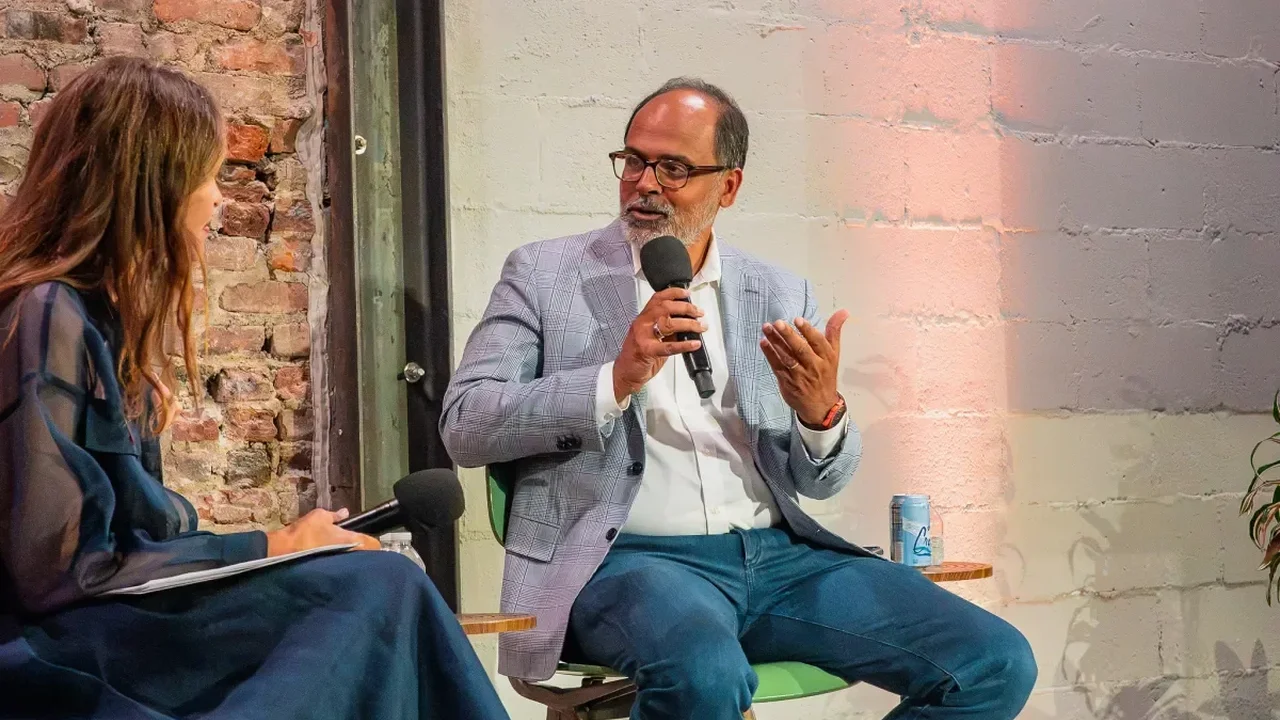
Insight Partners co-chief Devin Parekh says the firm is keeping a broad investment lens even as much of venture capital flows toward a small group of frontier AI leaders. Speaking at a New York event, he outlined why the firm continues to balance early-stage, growth, and buyout opportunities instead of concentrating on a single theme.
Parekh said AI carries real risks, but he believes its upside is far greater, especially in healthcare. He pointed to AI systems that can analyze millions of patient records and help identify hidden heart-attack risk, arguing that the technology could accelerate drug discovery and support aging populations with fewer medical professionals.
With roughly $90 billion in assets under management, Insight Partners has built its strategy around portfolio performance rather than public visibility. Parekh said the firm prefers to let its companies speak for themselves, while staying active across sectors and stages depending on market conditions.
He also noted that current venture pricing is moving quickly, sometimes without enough new data to justify higher valuations. In his view, that makes earlier-stage investing more attractive, while smaller checks in large funds can reduce risk and create room to back winners over time. He cited past gains from companies such as Wiz as an example of that approach.
On geography, Parekh said talent is now distributed globally, though some AI infrastructure expertise remains concentrated in San Francisco. He added that vertical AI opportunities can be more geographically diverse, depending on the industry.
Discussing rival investments in OpenAI and Anthropic, Parekh said later-stage participation is different from early-stage backing, where exclusivity matters more. He also said the firm is watching physical AI and robotics closely, but sees many of those companies as still early in their development.
Looking ahead, he expects more IPOs from major AI companies and believes liquidity will remain a central theme for venture capital. His broader message was clear: in a fast-moving market, disciplined diversification may remain one of the strongest long-term strategies. That approach could help shape a more resilient innovation economy in the years ahead.