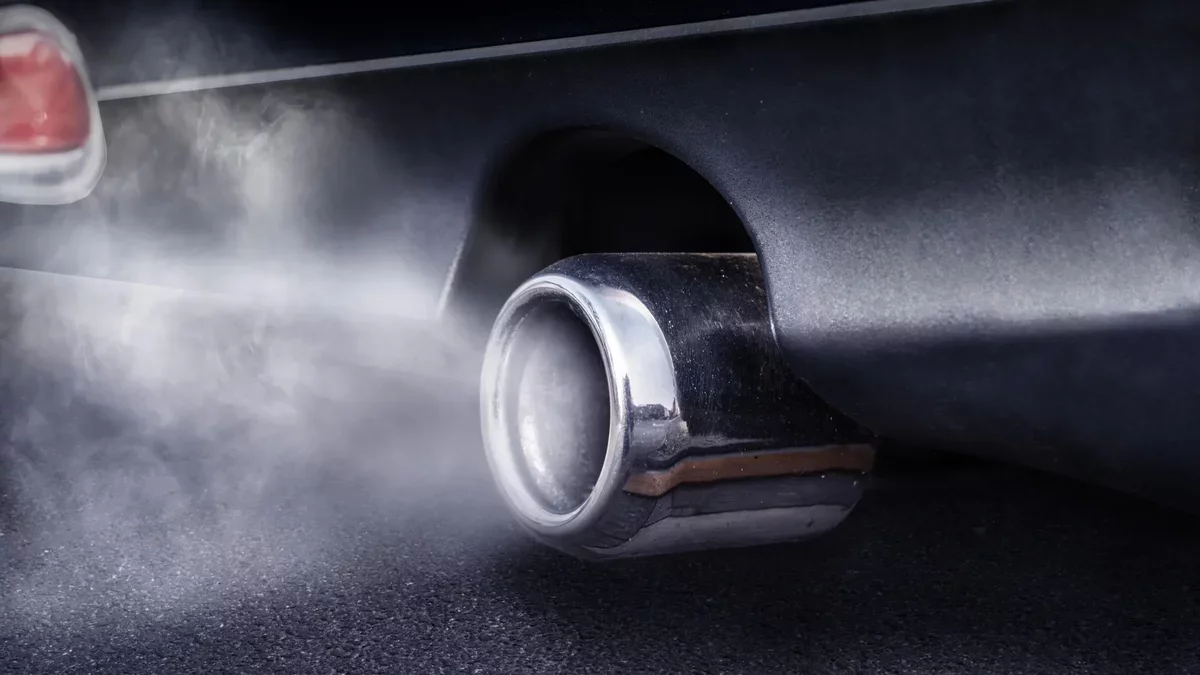
Diesel engines are crucial for various sectors, including transportation, agriculture, and industry, due to their reliability and power. However, they are also significant contributors to air pollution. Diesel exhaust contains harmful nitrogen oxides and particulate matter, which are associated with smog and respiratory issues. While technologies like catalytic converters and particulate filters help mitigate these emissions, they also complicate engine design and increase costs. Researchers propose a groundbreaking solution: Water-in-Diesel Emulsion (WiDE) technology, which can be implemented in existing diesel engines without the need for modifications.
Understanding Water-in-Diesel Emulsion Technology
The WiDE method involves incorporating tiny water droplets into diesel fuel, stabilized by surfactants that allow for a consistent blend, maintaining stability for up to sixty days. When this emulsion is combusted in the engine, the water droplets vaporize rapidly, creating "micro-explosions" that break down the fuel into finer particles. This enhanced mixing of air and fuel results in lower peak combustion temperatures, significantly reducing nitrogen oxide emissions while promoting a more complete combustion process that diminishes soot and particulate emissions.
Significant Reduction in Emissions
Research indicates that engines utilizing WiDE technology can achieve remarkable reductions in harmful emissions. Nitrogen oxide levels can decrease by as much as sixty-seven percent, while particulate matter can drop by up to sixty-eight percent compared to traditional diesel fuel.
In addition to cutting emissions, tests have shown improvements in brake thermal efficiency, meaning these engines not only produce cleaner exhaust but also convert fuel into mechanical power more effectively. "Water-in-diesel emulsions provide a practical and economical approach to cleaner diesel engines," stated lead researcher Dr. Chukwuemeka Fortunatus Nnadozie. "This technology offers a swift route to lower emissions in both developing and developed nations."
Importance of Surfactants in Fuel Stability
The study also highlighted the role of surfactants, which are vital for maintaining the emulsion's stability. Selecting appropriate surfactants and concentrations is crucial for ensuring safety and performance. The findings suggest that using a combination of surfactants yields the best results, enhancing both fuel stability and combustion quality.
A Step Towards Cleaner Energy Solutions
While the outcomes are promising, further research is necessary to refine surfactant combinations and assess the long-term impact of water-diesel emulsions on engine components. The team believes that WiDE technology could complement other clean technologies, such as biodiesel and advanced emission control systems, to support broader climate and air quality initiatives.
"This innovation can serve as a bridge between traditional diesel usage and a sustainable energy future," remarked co-author Professor Emeka Emmanuel Oguzie. "With proper formulation and testing, WiDE could play a pivotal role in sustainable transportation and industrial power systems."