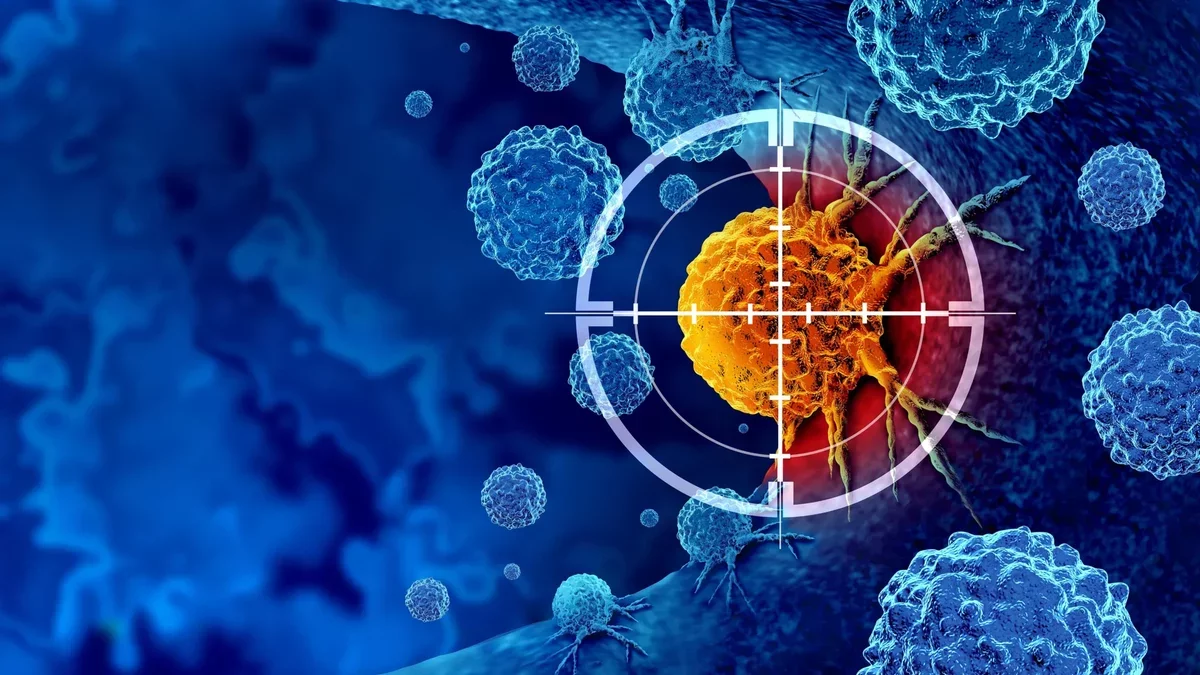
KAIST (led by President Kwang Hyung Lee) revealed on the 30th that a groundbreaking research team, headed by Professor Ji-Ho Park from the Department of Bio and Brain Engineering, has developed a novel therapy that operates directly within tumors. When this treatment is injected, the body's existing macrophages absorb the therapeutic agent. Subsequently, these cells autonomously produce CAR (chimeric antigen receptor) proteins, evolving into immune cells specifically targeting cancer, termed "CAR-macrophages."
Challenges in Treating Solid Tumors
Solid tumors, including those found in gastric, lung, and liver cancers, create dense masses that hinder immune cell penetration and functionality. This compact structure diminishes the efficacy of many immune-based cancer therapies, even if they are effective against other cancer types.
Recently, CAR-macrophages have emerged as a compelling candidate for next-generation immunotherapy. Unlike certain immune cells, macrophages can directly engulf cancer cells and activate adjacent immune cells, enhancing the overall anticancer response.
Current Limitations of CAR-Macrophage Therapies
Despite their potential, existing CAR-macrophage therapies encounter significant challenges. They necessitate the extraction of immune cells from a patient's blood, followed by laboratory growth and genetic modification before reintegration into the body. This process is costly, time-consuming, and not easily applicable in clinical environments.
To address these obstacles, the KAIST team concentrated on tumor-associated macrophages that naturally accumulate around tumors.
Reprogramming Immune Cells In Situ
The researchers innovated a technique to reprogram immune cells without extracting them from the body. They created lipid nanoparticles that macrophages can easily absorb. These nanoparticles deliver both mRNA encoding cancer recognition information and an immune-boosting agent that enhances immune activity.
This approach enables the generation of CAR-macrophages by "directly converting the body's own macrophages into anticancer cell therapies within the body."
Upon injection into tumors, the therapeutic agent was rapidly absorbed by macrophages. These cells began producing cancer-recognizing proteins while immune signaling pathways were simultaneously activated. The newly formed "enhanced CAR-macrophages" exhibited significantly stronger cancer-killing capabilities and stimulated surrounding immune cells, resulting in a robust anticancer response.
Encouraging Findings in Animal Studies
In animal models of melanoma, the most aggressive type of skin cancer, tumor growth was markedly reduced. Additionally, the immune response appeared to extend beyond the injected tumor, indicating the potential for comprehensive body-wide immune protection.
Professor Ji-Ho Park stated, "This research introduces a novel concept of immune cell therapy that generates anticancer immune cells directly within the patient's body," emphasizing its significance in overcoming the primary limitations of current CAR-macrophage therapies--delivery efficiency and the immunosuppressive tumor environment.
The study was led by Jun-Hee Han, Ph.D., from the Department of Bio and Brain Engineering at KAIST as the first author. The findings were published in ACS Nano, an international journal dedicated to nanotechnology.
This research received support from the Mid-Career Researcher Program of the National Research Foundation of Korea.