In early 2023, Sam Basu, a former senior software engineer at Google, decided to leave his position shortly after the launch of OpenAI's ChatGPT. Initially exploring various AI business ventures, Basu found his calling when a friend reached out for assistance with customs paperwork.
Intrigued, Basu began contacting customs brokers in the Los Angeles area, discovering that many were small, traditional operations still reliant on outdated technologies like fax machines. His realization hit home when a client showed him a mountain of paperwork during a FaceTime call, prompting him to visit her office the very next day.
"It was a revelation," Basu recounted. "I was astonished by the sheer volume of paperwork that defines this industry. It made me realize how vital our imports are and the behind-the-scenes processes involved."
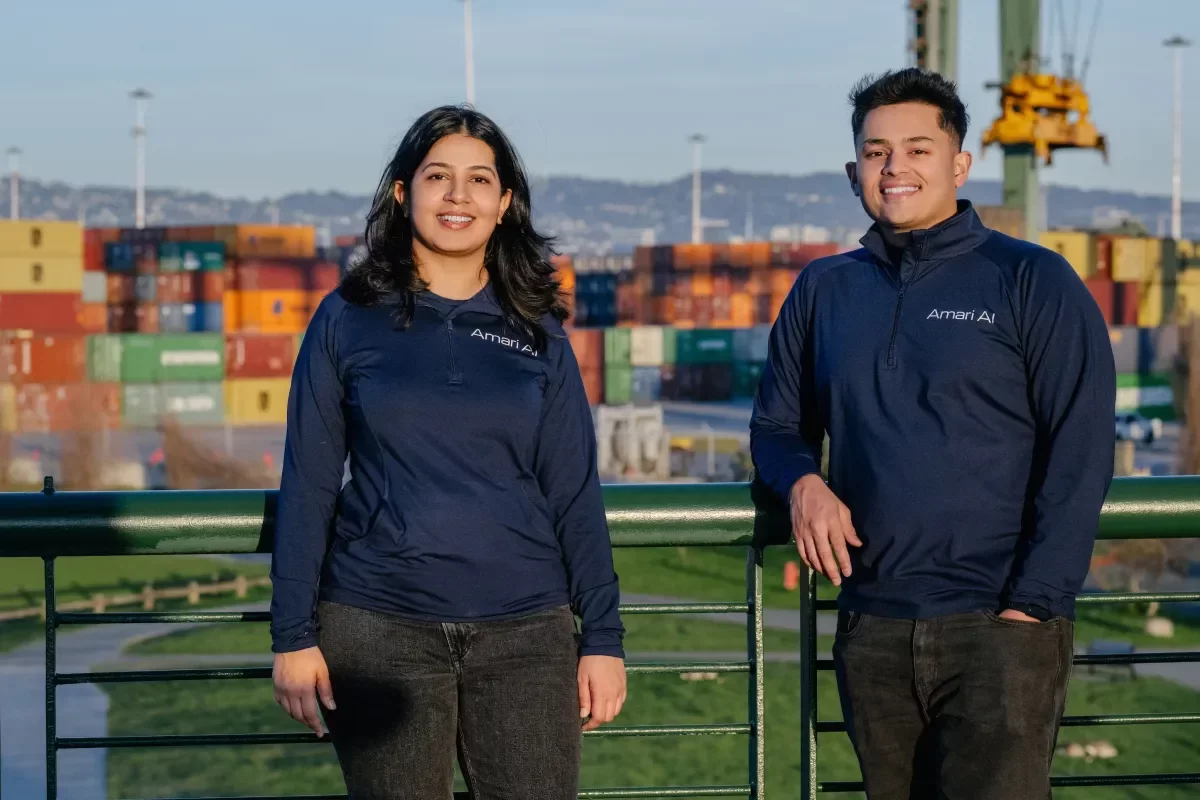
This insight led to the creation of Amari AI, a startup co-founded by Basu and Arushi Vashist, a former LinkedIn engineer. Together with their team, they have successfully onboarded over 30 clients and facilitated the movement of goods worth more than $15 billion.
Amari recently secured $4.5 million in funding from notable early-stage investors, marking a significant milestone as they emerged from stealth mode. Basu's vision for Amari focuses on two main objectives: modernizing customs brokerage operations and providing essential support in navigating complex trade regulations.
Many customs brokers have lagged in adopting new technologies, often relying on limited optical character recognition software. Amari aims to automate data entry and paperwork, allowing brokers to concentrate on assisting clients with their imports.
With the unpredictability of trade policies, the role of customs brokers has become increasingly critical. Chris Bachinski, CEO of GHY International, a long-established brokerage firm, noted that many of his clients lack compliance staff and depend on brokers for guidance amidst shifting regulations.
Basu highlighted the stress and burnout prevalent in the industry, exacerbated by a low pass rate for licensing exams. "This scenario is tailor-made for AI," he remarked. "As experienced professionals retire, we position ourselves as an additional resource for logistics companies."
Amari's AI agents continuously track trade regulations, promptly updating their insights whenever changes occur. This innovation streamlines the process for brokers, enabling them to provide timely advice to clients, which previously required extensive manual research.
Amari's technology is built on AI models trained with over a million shipment-related documents. Basu emphasized their commitment to data privacy, ensuring that client information remains confidential and is not sold.
Early support from investors like Todd Jackson of First Round Capital can be attributed to Basu's proactive approach in understanding the needs of customs brokers. His participation in industry conferences has bolstered word-of-mouth referrals.
At a recent trade show, Basu's presentation caught the attention of Bachinski, who is keen on leveraging technology to enhance competitiveness and growth at GHY International. While there are concerns about job displacement among employees, Bachinski reassured them that technology like Amari's will foster growth and improve customer relations.
"This industry is on the brink of transformation, and technology will drive that change faster than most brokers realize," he added. As customs brokerage gains visibility, agility becomes essential in adapting to the evolving landscape.