Two former SpaceX engineers are shifting their focus from the cosmos to Earth, aiming to revolutionize energy production with their company, Ambrosia Energy. The startup is developing power plants designed to be more cost-effective and faster to construct than traditional natural gas facilities.
Operating discreetly until now, Ambrosia Energy is not introducing groundbreaking technology but is instead integrating solar panels with lithium-ion batteries. This combination ensures a continuous flow of electricity at an affordable rate of $100 per megawatt-hour.
Co-founder and president, Sara Spangelo, shared with TechCrunch, "A power plant should be able to be built at any scale in 12 months from contract signing to power on. Our ambition is to go to gigawatt scale."
To achieve lower costs, Ambrosia has simplified its battery systems. While conventional grid-scale batteries cycle quickly, which can be taxing, Ambrosia employs a method of trickle charging throughout the day and gradual discharging at night. This innovative approach has reduced the overall costs to just 1.5 times what they pay for battery cells, significantly undercutting industry standards.
Spangelo emphasized the reliability of their systems, stating, "We're also way more reliable than gas." If successful, Ambrosia could disrupt the current energy landscape, where building a new combined cycle gas turbine--considered the most efficient--costs approximately $107 per megawatt-hour and often faces a backlog of five to seven years.
Spangelo and her co-founder, CEO Ben Longmier, previously contributed to SpaceX's Starlink project and have extensive backgrounds in technology. They initially self-funded Ambrosia but have since attracted investment from DFJ Growth, although the specifics of this funding remain undisclosed.
The duo draws parallels between their current venture and their experiences at SpaceX, noting that many challenges in energy production mirror those in aerospace. Spangelo likened building their power modules to deploying a satellite constellation: "You launch four, you learn, you iterate."
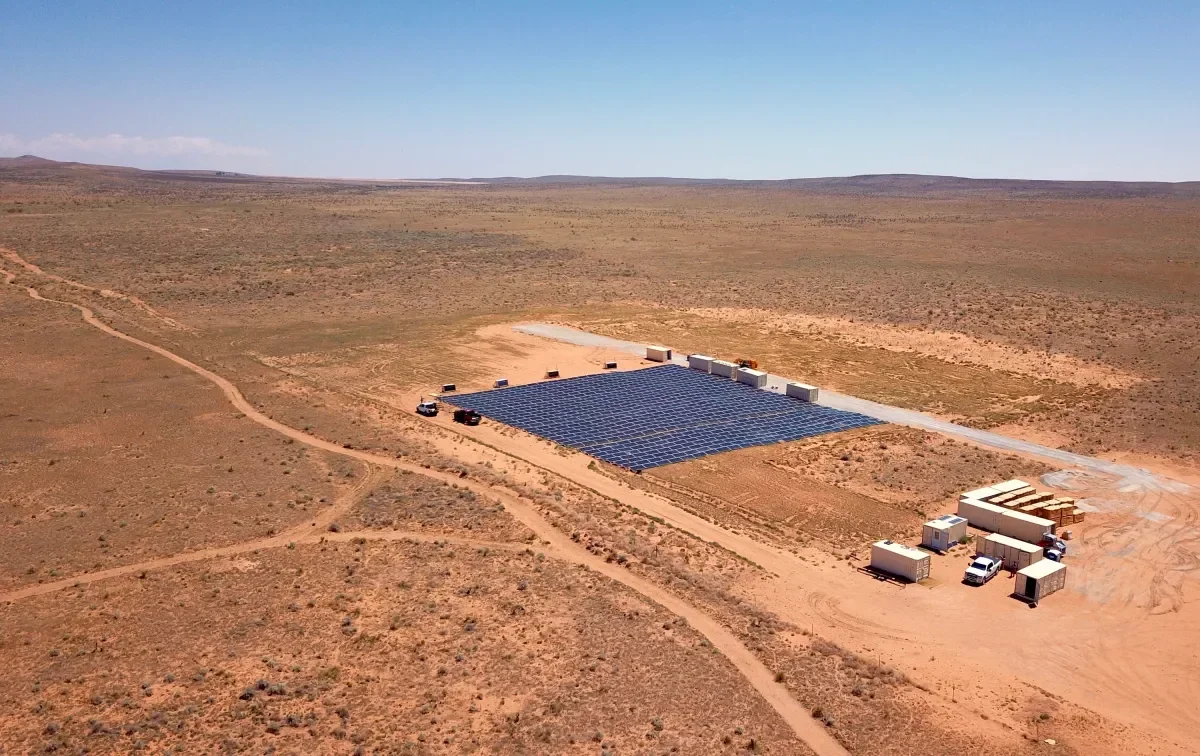
In January, Ambrosia commenced the construction of a power plant in West Texas, and according to Longmier, they are nearing completion of this facility. Some sections have already been activated and are operating at full capacity.
Ambrosia's systems are designed to be scalable, allowing customers to test smaller setups before committing to larger investments. The startup has access to vast land, enabling the potential construction of plants generating up to 30 gigawatts based on recent solar land requirements.
Initially, the company will focus on smaller projects in the range of 20 to 30 megawatts, utilizing off-the-shelf components with plans to transition to custom designs. Additionally, they aim to establish a factory in Austin, Texas, to expedite larger projects. Spangelo asserts, "We're pretty ambitious," with a goal of delivering gigawatts by the decade's end.