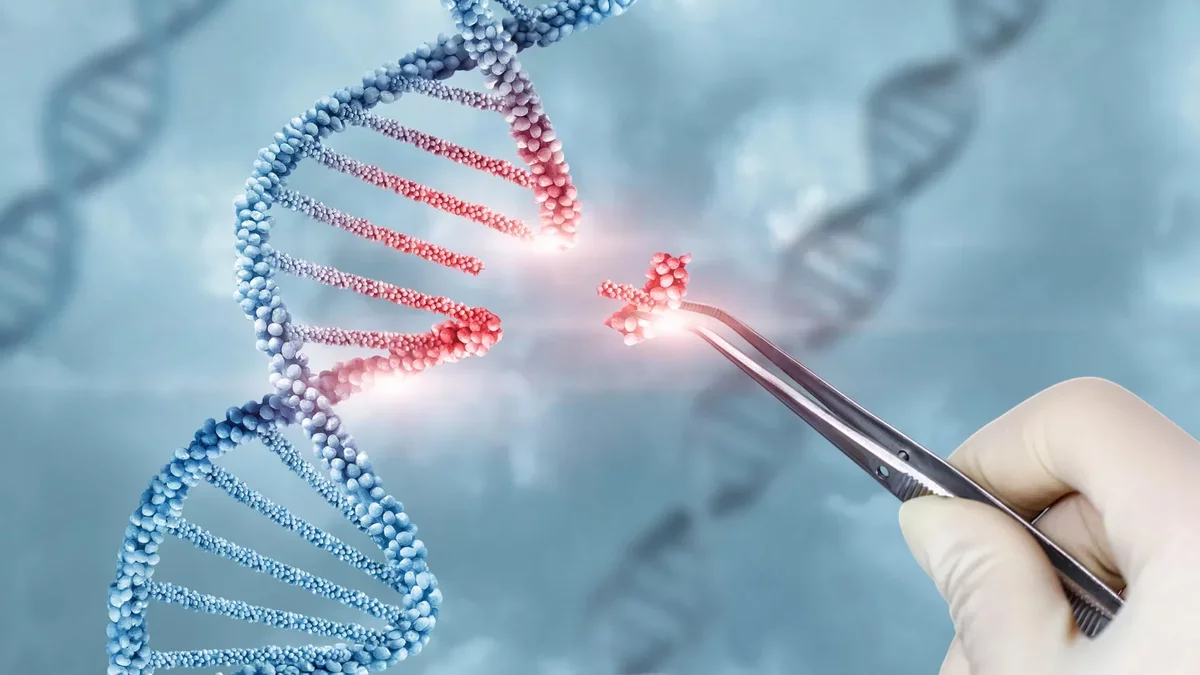
Antibiotic-resistant bacteria pose a significant threat, particularly in healthcare settings, wastewater management, livestock, and aquaculture. In light of this growing challenge, scientists are leveraging cutting-edge genetic technologies to devise solutions. A team from the University of California San Diego is pioneering advanced gene editing methods to tackle antibiotic resistance directly.
CRISPR Gene Drive: A New Strategy Against Resistance
Professors Ethan Bier and Justin Meyer from UC San Diego's School of Biological Sciences have collaborated to develop a novel technique aimed at eliminating resistance traits from bacterial populations. Their strategy enhances CRISPR gene editing and incorporates principles from gene drives, which have been utilized in insects to inhibit the transmission of detrimental traits like those from malaria-carrying parasites.
The researchers introduced a second-generation Pro-Active Genetics (Pro-AG) system known as pPro-MobV. This innovative technology is engineered to propagate through bacterial communities, disabling the genes responsible for antibiotic resistance.
"With pPro-MobV, we have adapted gene-drive concepts from insects to bacteria as a tool for population engineering," stated Bier, a faculty member in the Department of Cell and Developmental Biology. "This new CRISPR technology allows us to take a limited number of cells and enable them to neutralize antibiotic resistance in a broader target population."
Restoring Antibiotic Sensitivity Through Genetic Innovation
This research initiative commenced in 2019 when Bier's laboratory joined forces with Professor Victor Nizet's team from the UC San Diego School of Medicine to create the original Pro-AG system. The initial version introduced a genetic cassette into bacteria, facilitating its replication across bacterial genomes and silencing antibiotic resistance genes.
The genetic cassette specifically targets resistance genes located on plasmids, which are small, circular DNA molecules within bacterial cells. By integrating itself into these plasmids, the cassette disrupts the resistance genes, rendering bacteria susceptible to antibiotics once more.
Utilizing Biofilms and Bacterial Conjugation
The updated pPro-MobV system builds on this foundation by employing conjugal transfer, akin to bacterial mating, to transfer CRISPR components between cells. Research published in the journal Nature, npj Antimicrobials and Resistance, has confirmed that this system can navigate through natural mating channels formed between bacteria, disseminating the elements that disable resistance throughout populations.
Significantly, the team demonstrated that this method is effective within biofilms--dense microbial communities that adhere to surfaces and are notoriously challenging to eradicate using conventional cleaning techniques. Biofilms are implicated in many severe infections and assist bacteria in surviving antibiotic treatments by creating a protective barrier against drug penetration. Consequently, this new approach could have vital applications in healthcare, environmental remediation, and microbiome engineering.
"Addressing antibiotic resistance within biofilms is crucial, as these structures represent one of the most difficult forms of bacterial growth to eliminate in clinical settings or confined environments like aquaculture ponds and sewage treatment facilities," remarked Bier. "Reducing the transmission from animals to humans could significantly mitigate the antibiotic resistance issue, as approximately half of it is believed to originate from environmental sources."
Integrating CRISPR with Bacteriophages
The researchers also found that components of their active genetic system can be carried by bacteriophages--viruses that naturally infect bacteria. Phages are already being engineered to combat antibiotic resistance by bypassing bacterial defenses and delivering disruptive genetic material into cells. The team envisions pPro-MobV working in tandem with these engineered phages to enhance its effectiveness.
Additionally, the platform can incorporate a method known as homology-based deletion, allowing scientists to remove the inserted genetic cassette if required.
"This technology represents one of the few methods capable of actively reversing the dissemination of antibiotic-resistant genes, rather than merely slowing their spread," noted Meyer, a professor in the Department of Ecology, Behavior and Evolution, who studies bacterial and viral evolutionary adaptations.