A 47-year-old woman from Germany has experienced a remarkable turnaround after undergoing an innovative treatment that has traditionally been used for cancer. For over a decade, she battled three debilitating autoimmune diseases: autoimmune hemolytic anemia (AIHA), immune thrombocytopenia (ITP), and antiphospholipid syndrome (APS). Despite trying nine different treatments, she faced daily blood transfusions and was reliant on blood thinners to manage her condition.
In a groundbreaking approach, her medical team decided to employ CAR-T cell therapy, a method that has shown significant success in treating certain blood cancers. The results of this treatment, recently documented, are being hailed as a pivotal moment in medical science.
The Complex Challenges
The patient was trapped in a cycle of illness where her body was producing antibodies that destroyed her red blood cells, leading to severe oxygen deprivation. Additionally, her immune system was wiping out platelets, creating a risk for even minor injuries, while APS caused her blood to form dangerous clots.
After exhausting conventional treatments, Dr. Fabian Müller and his team at the University Hospital of Erlangen recognized that the root of her problems lay in a malfunctioning group of B cells. These cells, which typically help the body remember and combat infections, had mistakenly identified her own blood as an enemy. To effectively address the issue, the doctors realized that simply suppressing the B cells would not suffice; they needed to eliminate them entirely.
Creating Targeted Immune Defenders
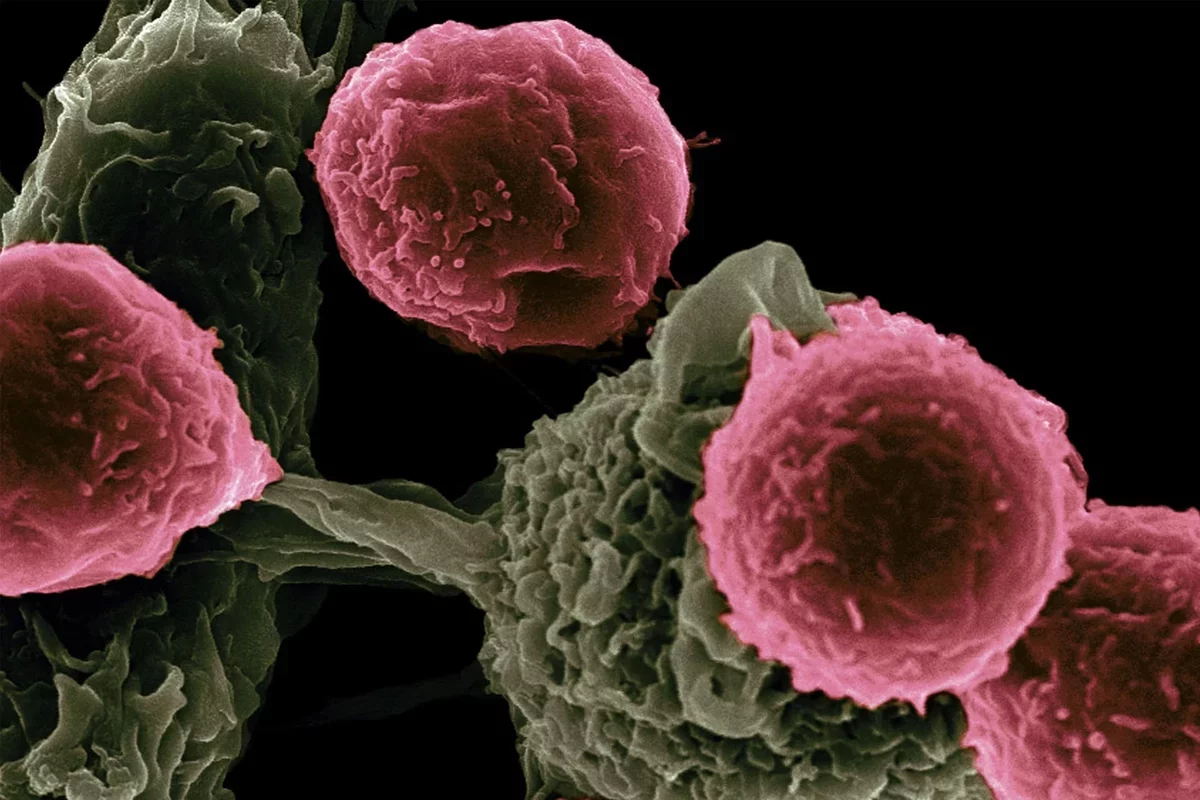
The team utilized CAR-T cell therapy, which involves extracting T cells from the patient and genetically engineering them to target specific proteins on B cells. In this case, the T cells were modified to recognize and attack a protein called CD19, found on the surface of the rogue B cells.
Once the T cells were reprogrammed, they were reintroduced into the patient's bloodstream. This one-time treatment proved transformative; within a week, she no longer required blood transfusions. Two weeks later, she had regained enough strength to resume daily activities, and by the end of the month, her hemoglobin levels had normalized.
A Renewed Immune System
As the CAR-T cells continued their work, they effectively cleared out the problematic B cells. Remarkably, when her body began to generate new B cells, they were found to be healthy and functional, unlike the previous malfunctioning cells. Over a year post-treatment, the patient remains in remission without any medication for her autoimmune diseases.
While this case is a significant advancement, it is essential to note that it is based on a single patient's experience. Further research is necessary to understand the long-term viability of this approach across a broader patient population.
As CAR-T therapy continues to evolve, it holds the potential to revolutionize treatment for autoimmune diseases, offering hope for many who suffer from these challenging conditions.