Health savings and flexible spending accounts are increasingly being used for more than traditional medical supplies. In some cases, fitness wearables and home training gear can qualify for HSA or FSA spending when they are tied to a specific health need and supported by a Letter of Medical Necessity (LMN).
How eligibility works
The key distinction is simple: general wellness purchases usually do not qualify, but devices connected to monitoring or managing a documented condition may. That can include tools for heart health, sleep tracking, recovery, or structured exercise plans. In many cases, the process begins with a short health intake and review by a licensed provider.
Third-party services such as Truemed help connect shoppers with that review process at checkout on participating brands. If approved, the LMN can allow the purchase to be completed with pre-tax health funds, often without a separate doctor visit.
Products gaining attention
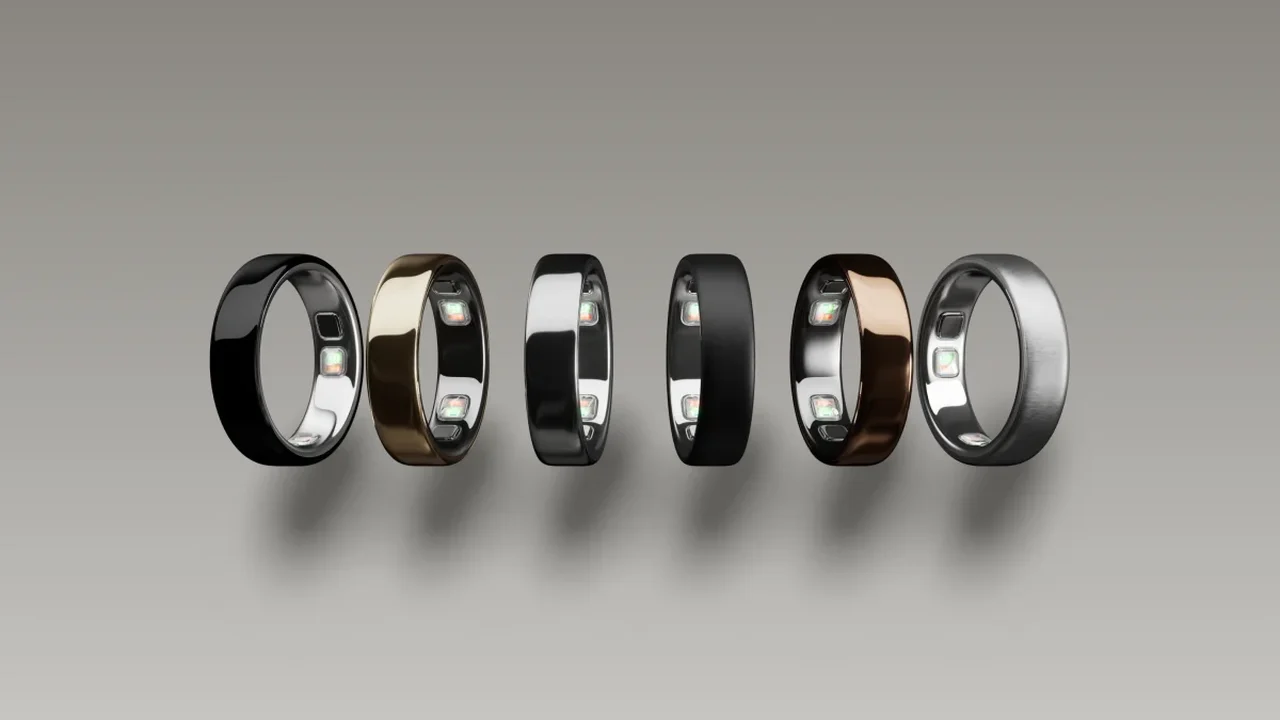
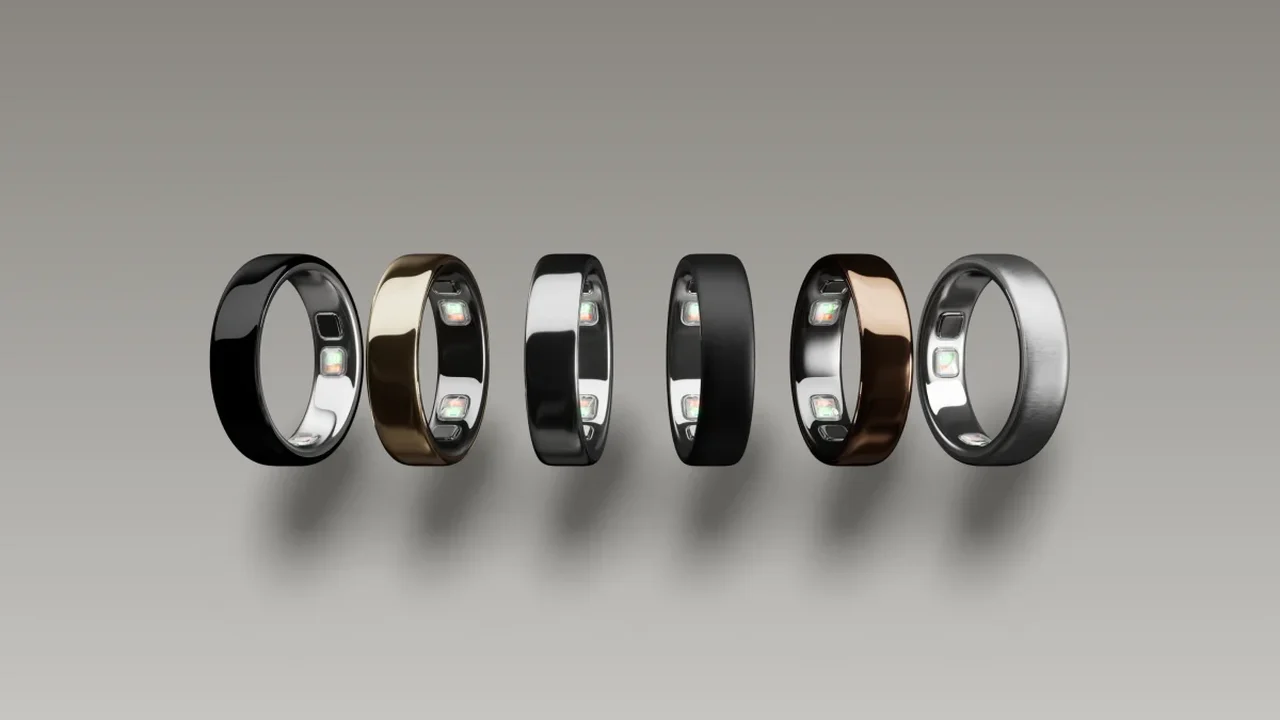
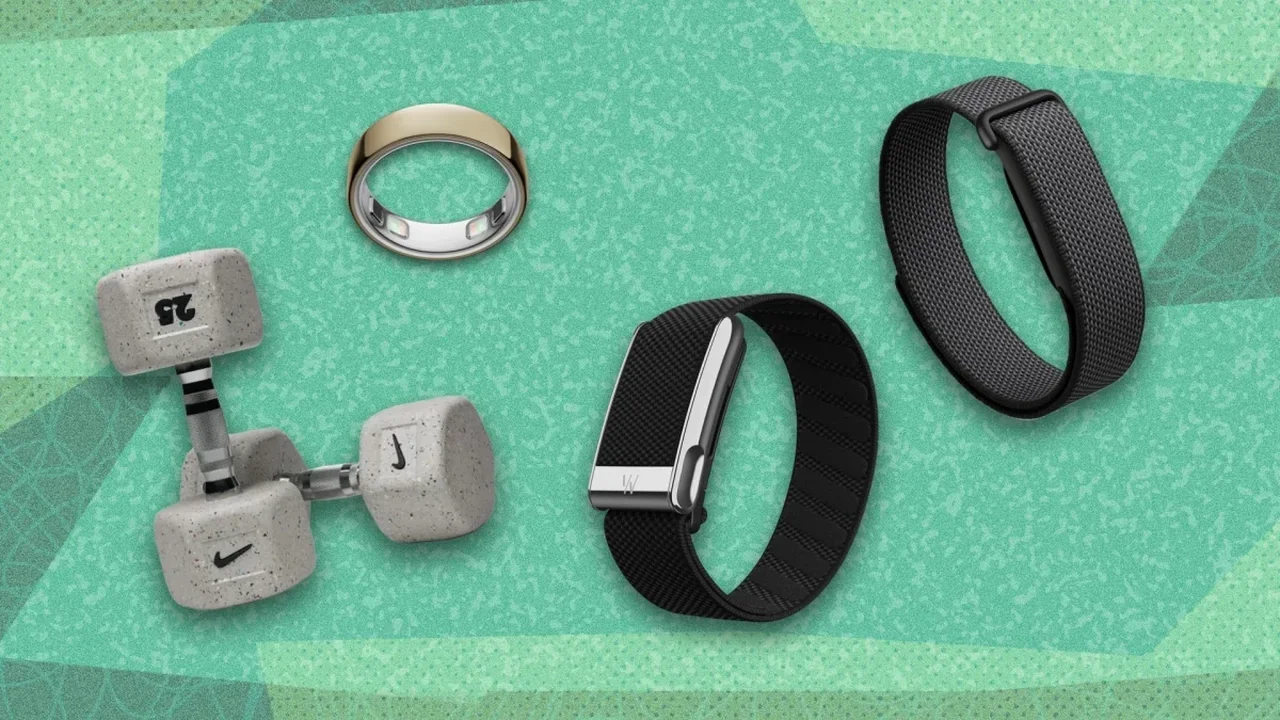
Among the wearables commonly discussed in this space are screenless recovery trackers like Whoop, the Oura Ring, and the Amazfit Helio Strap. Smartwatches and heart-rate monitors may also be eligible when they support a treatment plan. Some Garmin products, including the HRM-Fit, HRM-Pro Plus, HRM-Dual, and HRM-Swim, are also listed as eligible items.
Beyond wearables, certain home fitness products may qualify too. Adjustable dumbbells, barbell sets, and connected training equipment can sometimes be approved when a clinician considers them part of a structured health routine.
The broader trend points to a more flexible model of personal health spending, where consumer tech and preventive care increasingly overlap. As eligibility tools become easier to use, more people may treat fitness technology as part of everyday health planning, shaping a future where wellness and medical support move closer together.