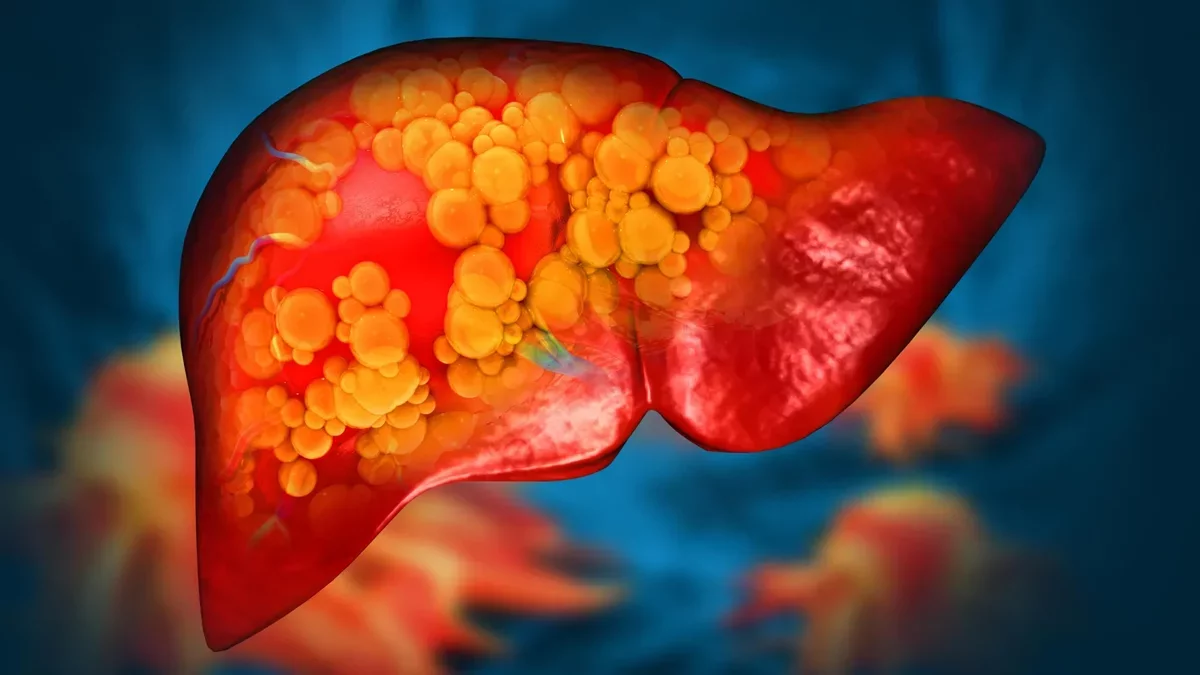
The liver supports more than 500 functions, including processing alcohol, regulating blood sugar and managing cholesterol. During the holiday season, repeated heavy drinking and meals high in saturated fat or refined carbohydrates can add to its workload.
How alcohol and food can affect the liver
As the body processes alcohol, the liver also produces fatty substances that are stored for later use. Frequent heavy drinking can contribute to fat buildup and inflammation. Christopher Koh, clinical director at the National Institute of Diabetes and Digestive and Kidney Diseases, says repeated binge-drinking episodes can leave the liver less time to recover.
Alcohol isn't the only factor. Weight gain and a diet rich in saturated fat and refined carbohydrates may contribute to metabolic dysfunction-associated steatotic liver disease, or MASLD. The condition can develop without obvious symptoms, so people may not realize it is present.
Supporting liver recovery
The liver can recover when the habits contributing to fat buildup are addressed. Taking a break from alcohol may help reduce liver fat and inflammation, while balanced eating and appropriate portion sizes can support weight management. Research cited in the article indicates that losing 5 percent of body weight may reduce liver fat by as much as 25 percent.
Understanding how everyday choices affect liver health can help people make more informed decisions. Greater awareness and sustainable habits may support healthier outcomes as research into MASLD continues.