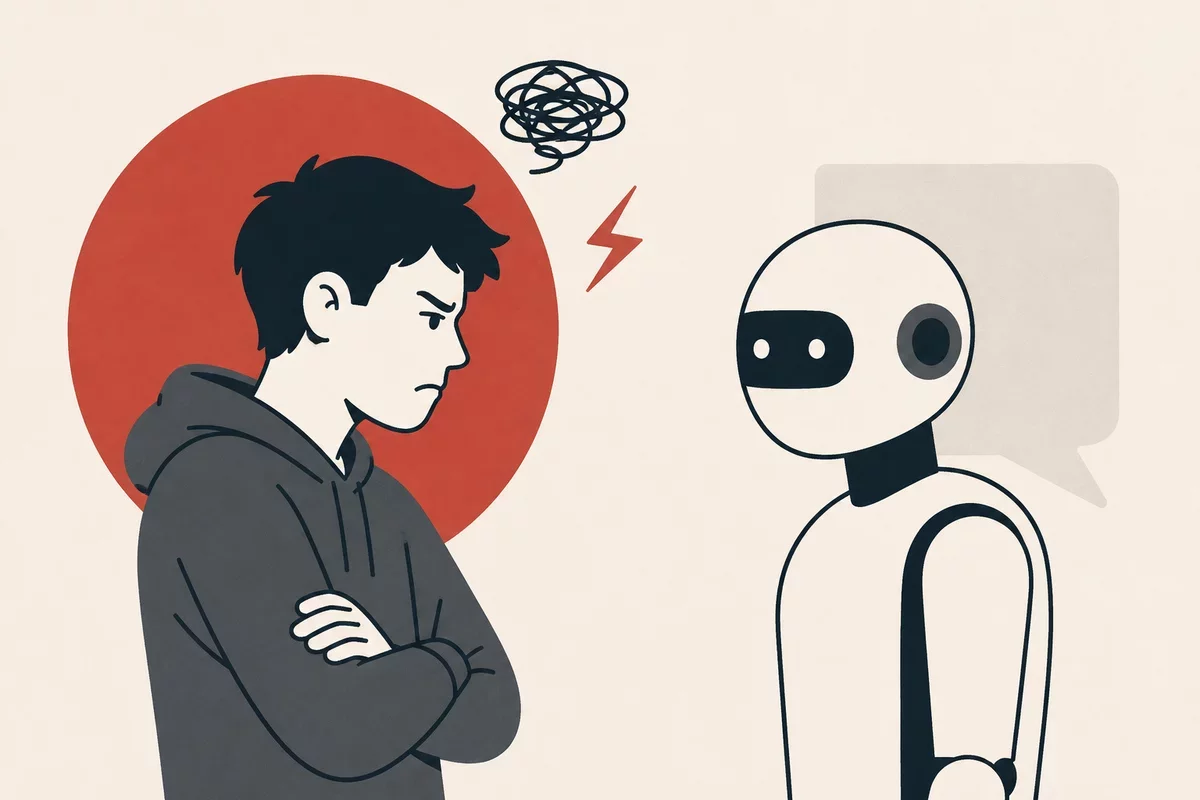
Artificial intelligence is becoming a daily companion for writing, searching, and decision-making, but new neuroscience discussions suggest it may also reshape how the brain works. Researchers at the MIT Media Lab and other institutions are examining whether heavy reliance on AI can reduce mental effort, weaken memory encoding, and lower the kind of deep engagement that supports learning.
What researchers are seeing
In one student writing experiment, participants who used ChatGPT showed less brain connectivity than those who relied on their own thinking or used standard search tools. The difference was especially visible in networks linked to creativity and memory. Some students also struggled to recall what they had written shortly after finishing the task, raising questions about how much information is truly being retained when AI does the heavy lifting.
Neuroscientist Nataliya Kos'myna has described this pattern as a form of cognitive off-loading, where the brain delegates tasks it would normally handle itself. Another researcher, Vivienne Ming, is exploring brain activity tied to deep thinking and long-term memory, including gamma-wave patterns associated with focused effort. Her work suggests that when AI is used too passively, the brain may receive less of the workout it needs.
How to keep the brain active
Experts point to a balanced approach rather than avoiding AI altogether. Physical exercise remains one of the strongest supports for brain health, with both aerobic training and strength work linked to better cognition. Studies from the University of North Carolina at Greensboro and the University of Queensland also highlight the value of consistent movement, including higher-intensity workouts later in life.
Researchers recommend using AI for repetitive tasks, while reserving human judgment for writing, analysis, and creative problem-solving. Some even suggest turning AI into a challenge tool that questions your ideas instead of simply finishing them. The goal is to keep curiosity, memory, and decision-making fully engaged.
As AI becomes more integrated into everyday life, the most forward-looking advantage may belong to people who use it as a partner, not a replacement for thought. That balance could help define a more resilient cognitive future.