Home energy storage is entering a new phase as battery makers and startups compete to make residential systems more affordable and easier to adopt. The latest shift is being driven by falling battery costs and the rise of virtual power plants, or VPPs.
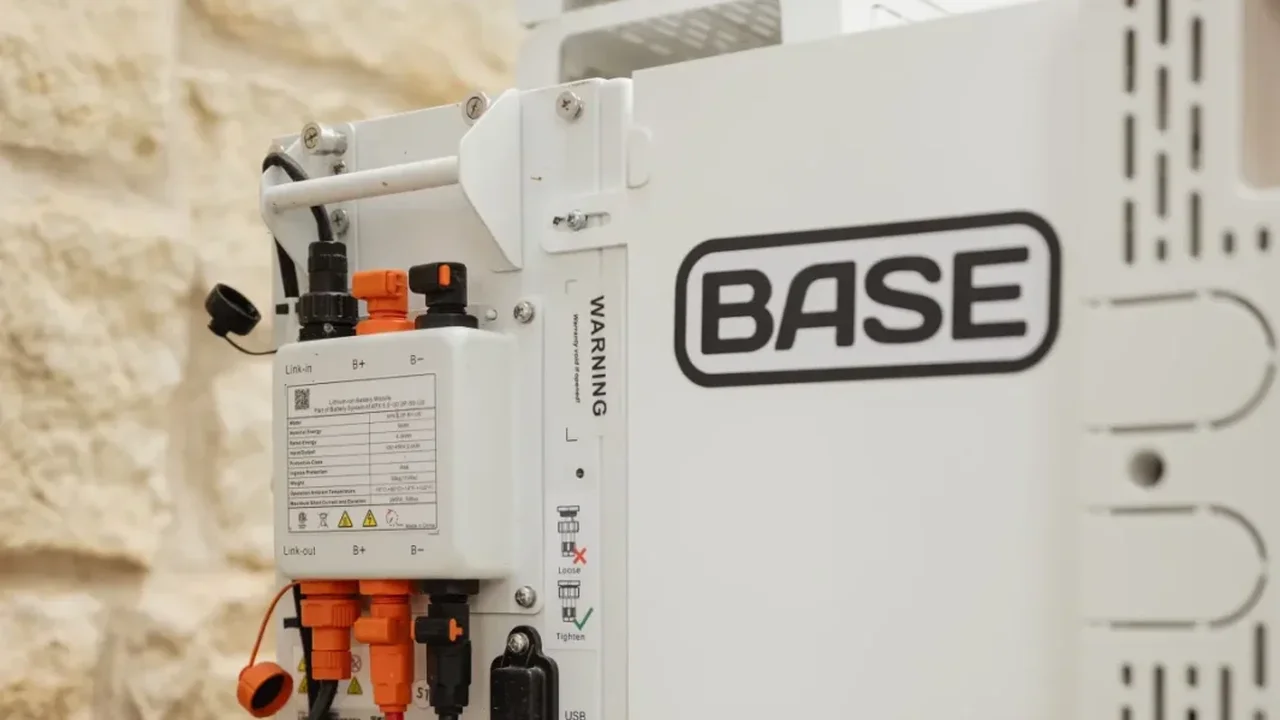
Tesla, long a leader in the space, has introduced a new Powerwall leasing option that lowers monthly costs by more than two-thirds. At the same time, newer players such as Base Power are pushing aggressive pricing models that make home batteries feel less like a luxury and more like a practical energy service.
In Texas, the difference is striking: homeowners can lease 27 kilowatt-hours of Tesla Powerwalls for $35 per month, or 39.2 kilowatt-hours of Base Power batteries for $19. That pricing reflects a broader change in the market, where batteries are no longer just backup systems for solar homes, but part of a flexible grid strategy.
VPPs connect thousands of distributed batteries and coordinate them like one large power resource. When electricity demand rises, utilities can draw on this network instead of relying only on traditional peaker plants or costly grid upgrades. The model also helps operators charge batteries when power is cheaper and release stored energy when prices climb.
The appeal is growing as electricity demand rises from AI data centers and wider electrification. VPPs can also be deployed much faster than conventional power plants because they use devices already installed in homes, reducing land, permitting, and interconnection delays.
Base Power says it is building a 100-megawatt VPP with CoServ in North Texas and is installing batteries at a pace it expects to accelerate further. Industry observers say this distributed model could spread beyond Texas and California as utilities look for faster, more scalable ways to strengthen the grid.
As home batteries become more accessible and software turns them into shared energy assets, the next generation of power systems may be built one household at a time.