A significant artifact from the transatlantic slave trade, a timber fragment from the Portuguese slave ship São José-Paquete de Africa, will soon leave the Smithsonian's National Museum of African American History and Culture. This piece of history has been a focal point in the museum's "Slavery and Freedom" exhibition since its inception in 2016.
The 33-pound timber, which has served as a powerful symbol of the Middle Passage, will return to the Iziko Museums of South Africa as its loan agreement concludes this year. Museum officials have announced that the last day this artifact will be on display is March 22.
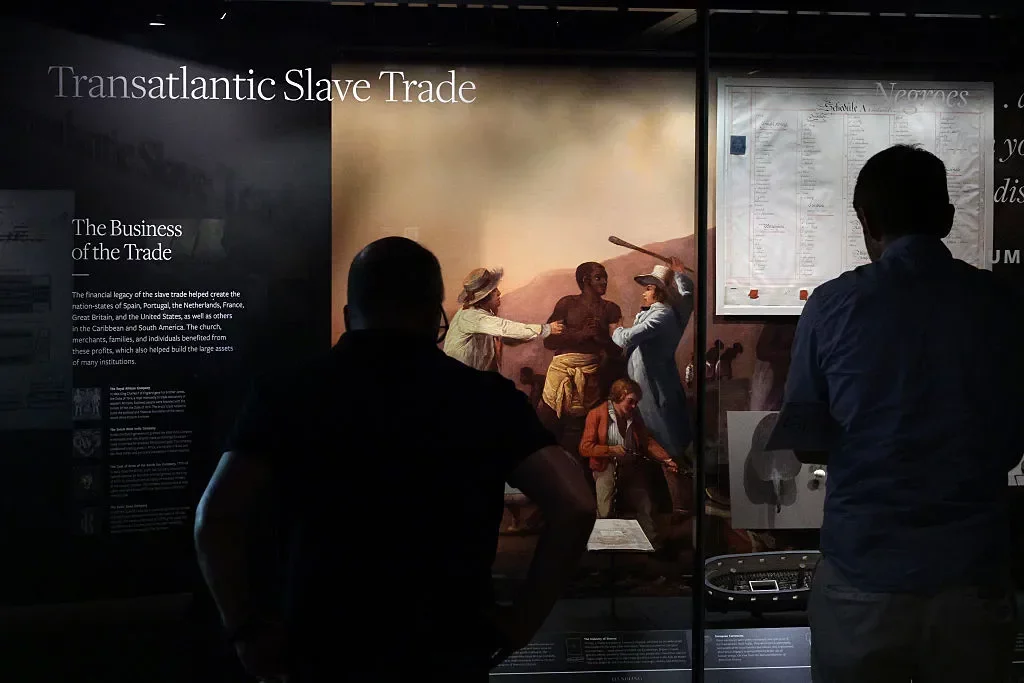
This fragment is displayed in a solemn gallery dedicated to the harrowing experiences of enslaved Africans during their Atlantic journey. It hangs above a dark void, accompanied by ballast stones from the ship, creating a poignant connection to the vessels that facilitated the slave trade.
Upon its departure, the timber will be replaced by a cargo manifest from the ship, documenting the individuals who were forcibly taken aboard. The São José sank in December 1794 near Cape Town, resulting in the loss of nearly half of its captives. Those who survived were later resold into slavery in the region.
The shipwreck was identified in 2015 through the international Slave Wrecks Project, which aims to explore maritime sites linked to the transatlantic slave trade. Museum leaders emphasize that this transition reflects both the conservation needs of the artifact and the terms of its loan, which was initially set for five years and extended until July 2026. The timber's delicate condition necessitates careful handling and transport back to South Africa.
As the museum adapts its exhibitions, it continues to face scrutiny regarding its presentation of American history. In recent years, the institution has navigated various challenges related to exhibition changes. Despite these adjustments, curators affirm that the powerful narratives surrounding slavery will remain integral to the museum's mission.
Even after the timber's departure, the museum aims to ensure that the profound history it represents remains a vital part of the visitor experience.