On Japan's Ishigaki Island, a new ecological study has revealed an unexpected seed-dispersal network in the island's coastal forests. The parasitic plant Balanophora fungosa, which draws nutrients from the roots of other plants and grows mostly underground, appears to depend on land hermit crabs and cockroaches to move its seeds across the forest floor.
Researchers from Kobe University first expected ants to play the main role, given the plant's small detachable fruit layer. But exclusion tests showed that ant-only access did not lead to fruit consumption. To observe what was happening, the team used a waterproof camera near the plants and recorded thousands of images over nearly 89 hours.
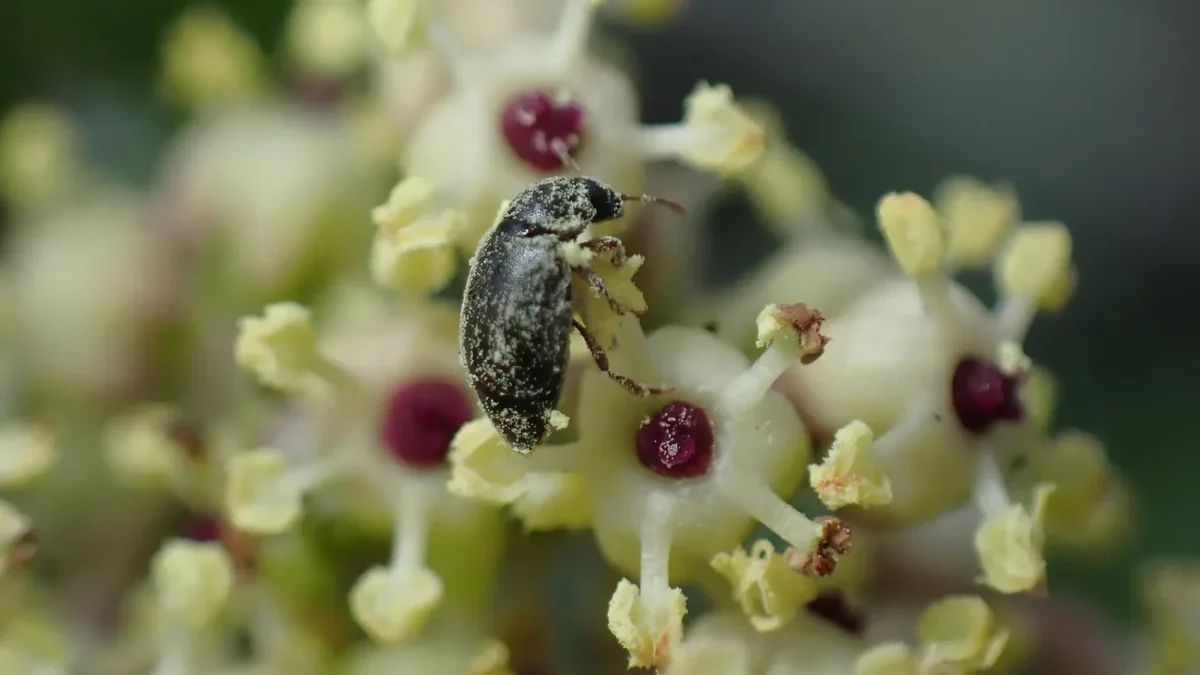
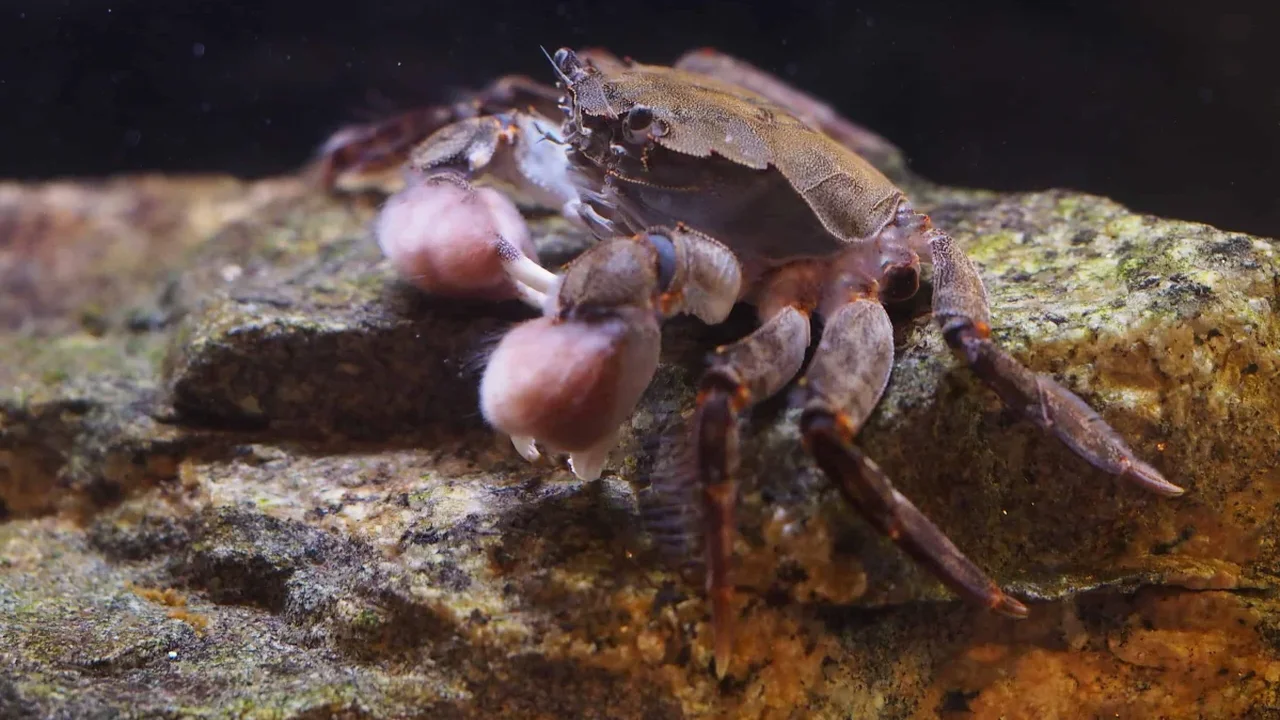
The footage showed land hermit crabs and Australian cockroaches gathering at night and feeding on the fruits. Hermit crabs were especially active: they carried fruits on their claws and also swallowed seeds that remained viable after passing through their digestive systems. Cockroaches also moved seeds, though with less efficiency.
The fruits seem to attract these animals with a fermented scent, suggesting a finely tuned relationship between the plant and its ground-dwelling visitors. The findings broaden the scientific view of seed dispersal, showing that small invertebrates can play a meaningful role in forest regeneration, especially in shaded island habitats where such interactions are easy to overlook.
For Balanophora fungosa, survival may depend on a quiet alliance with creatures that are usually seen in a very different light. This discovery could reshape how scientists understand hidden ecological partnerships in tropical forests and inspire new research into the future of plant dispersal.