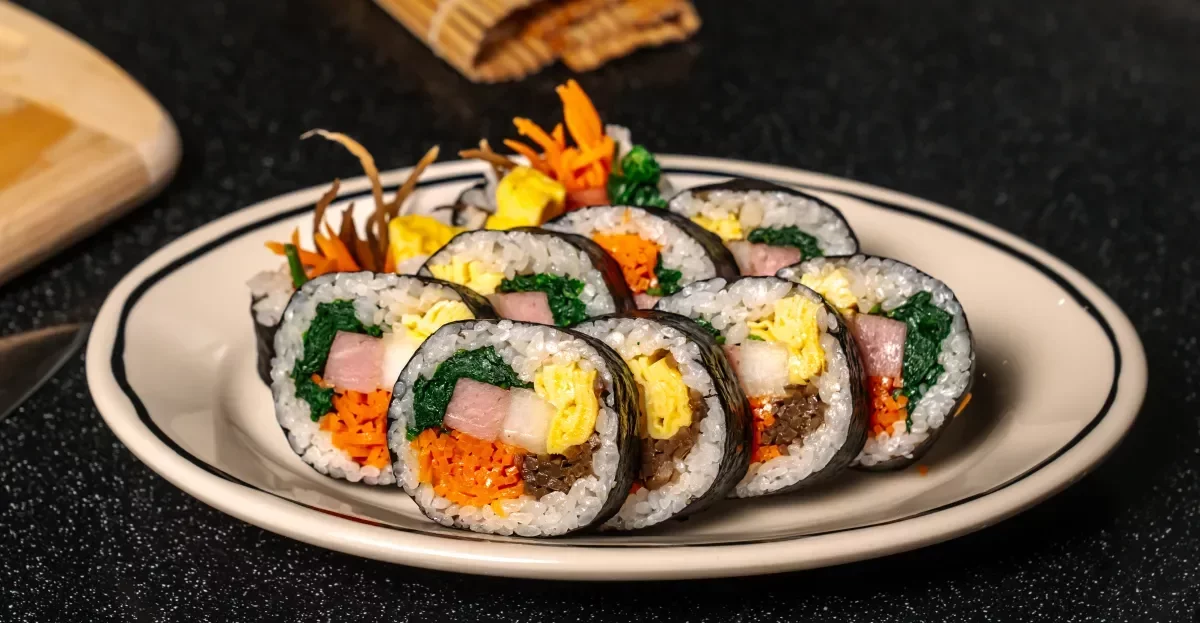
Chef Jihan Lee, inspired by his mother's gimbap, is reintroducing this beloved Korean dish to the culinary scene with his latest venture, TBD Gimbap, located in Manhattan's West Village. Although Lee initially focused on sushi during his training at the acclaimed two-Michelin-star restaurant, Masa, he always had a vision for gimbap. Now, with his Japanese hand roll bar, Nami Nori, successfully expanding into new states, Lee is ready to showcase gimbap in a dedicated setting.
Launched in mid-March, TBD Gimbap features a menu that honors traditional fillings like bulgogi and spicy carrots, while also exploring innovative options inspired by Lee's Japanese culinary training. "No soy sauce required," is a notable sign in the restaurant, emphasizing the unique flavor profiles of gimbap.
As the first dedicated gimbap restaurant in New York City, TBD joins other establishments like Kimbap Lab and Kim's Kimbap, which have paved the way for Korean cuisine in the area. The growing popularity of Korean culture has created an ideal environment for gimbap's resurgence, with Lee noting that diners are increasingly able to distinguish between gimbap and sushi.
Gimbap, often compared to sushi due to its appearance, is a dish rich in variety and flavors. Unlike sushi, which typically emphasizes simplicity, gimbap showcases a harmony of multiple ingredients, making it a more complex dish to prepare. Chef Jihee Kim, from Los Angeles's Perilla, describes gimbap as a nostalgic food, likening it to sandwiches in American culture--perfect for picnics and casual gatherings.
Despite the historical tensions between Japan and Korea, which complicate the comparison of these two dishes, the global rise of Korean cuisine is shifting perceptions. Writers like Giaae Kwon advocate for recognizing gimbap as a unique culinary creation, distinct from sushi.
At Super Peach, a new Los Angeles restaurant, gimbap has quickly become the top-selling dish. The executive chef, Nick Picciotto, aims to bring back the beloved flavors from the now-closed Kawi, where he previously worked. With gimbap prices ranging from $19 to $29, the restaurant strikes a balance between quality and accessibility.
Lee's motivation for opening TBD Gimbap stems from a desire to make Korean food more accessible, contrasting with the high-end dining experiences often associated with Korean cuisine. He believes gimbap is the perfect dish for regular enjoyment, allowing people to savor its flavors multiple times a week.
As gimbap continues to gain traction in the culinary landscape, it holds the potential to further elevate Korean cuisine in the global food scene, encouraging a deeper appreciation for its unique flavors and cultural significance.