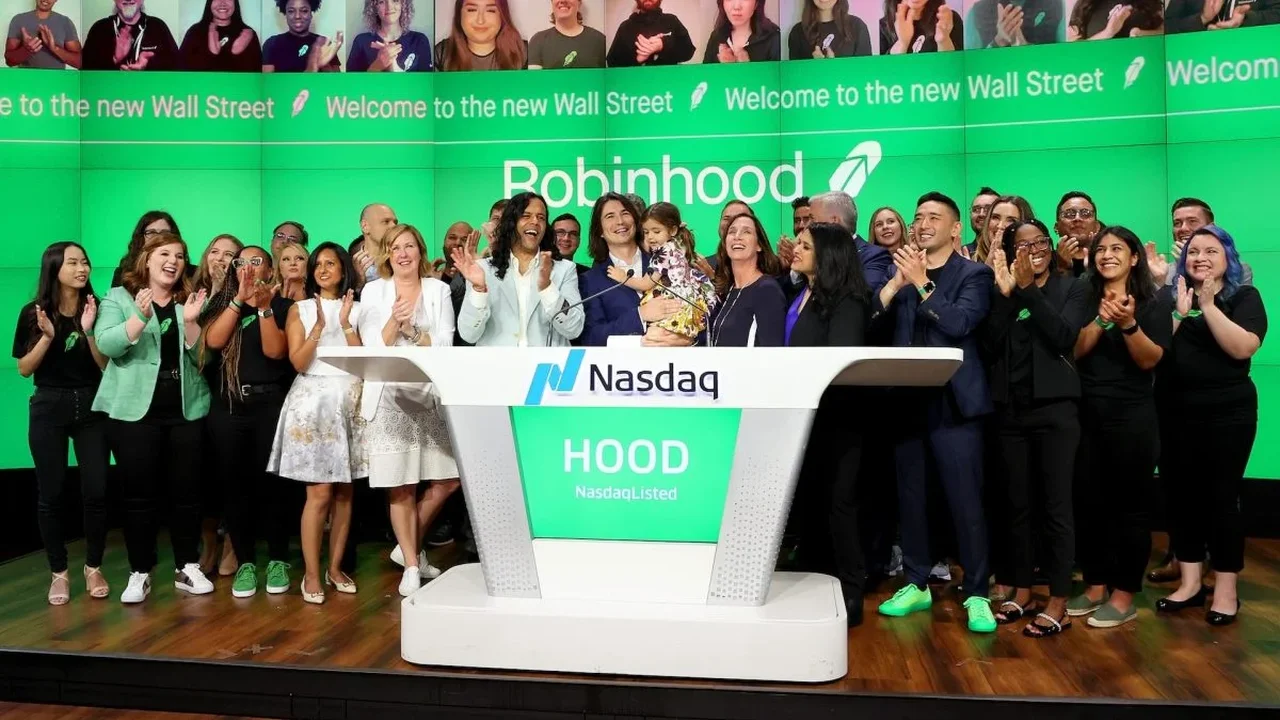
Just two months after its initial venture fund listing, Robinhood is set to unveil a second fund. The company has initiated a confidential registration for RVII, a crucial regulatory step that enables it to navigate the approval process before public disclosure.
Unlike its first fund, which currently invests in 10 late-stage companies such as Airwallex, OpenAI, and Stripe, RVII aims to broaden its scope by targeting both growth-stage and early-stage startups. This strategy is significant, as early-stage ventures, while riskier, hold the promise of higher returns.
Robinhood has yet to establish a fundraising target for RVII, as stated in a recent blog post. The inaugural fund aimed to raise $1 billion but ultimately fell short of that goal by several hundred million. Nevertheless, the initial fund has shown impressive performance, with RVI, its ticker on the NYSE, debuting at $21 per share and more than doubling to close at $43.69 recently. The surge in stock value is likely fueled by market enthusiasm surrounding the AI potential of its underlying startups.
The concept behind both funds seeks to address a long-standing issue regarding who can invest in startups. Federal regulations typically restrict investment in private companies to "accredited" investors--those with a net worth exceeding $1 million or an annual income above $200,000. This limitation has historically excluded average investors from participating in the lucrative early stages of startup growth. RVI and RVII aim to democratize access, allowing anyone to invest in a portfolio of private startups through a standard brokerage account.
Robinhood CEO Vlad Tenev described Robinhood Ventures as a publicly traded venture capital firm offering daily liquidity without accreditation requirements or profit-sharing fees. This means investors can buy or sell shares any day the market is open, contrasting with traditional VC funds where capital is locked for years.
Over recent years, the most valuable AI startups have surged in value, with much of this growth occurring in private markets, out of reach for most investors.
Tenev envisions a future where retail investors play a significant role in early funding rounds, much like they do in public markets. He expressed a desire for retail participation to be substantial in seed and Series A funding rounds, allowing everyday investors to benefit from potential appreciation in private markets.
If this vision materializes, it could revolutionize how startups secure their initial capital, enabling retail investors to join venture firms in early rounds, where both substantial gains and risks reside.