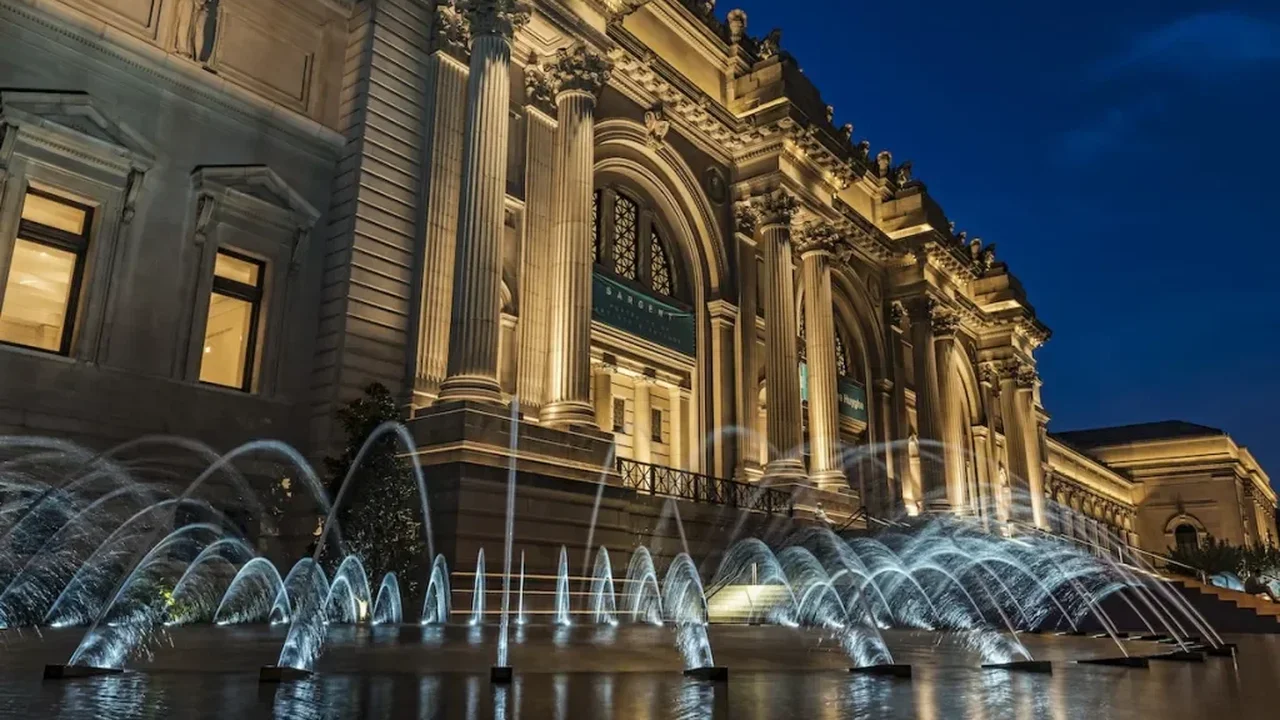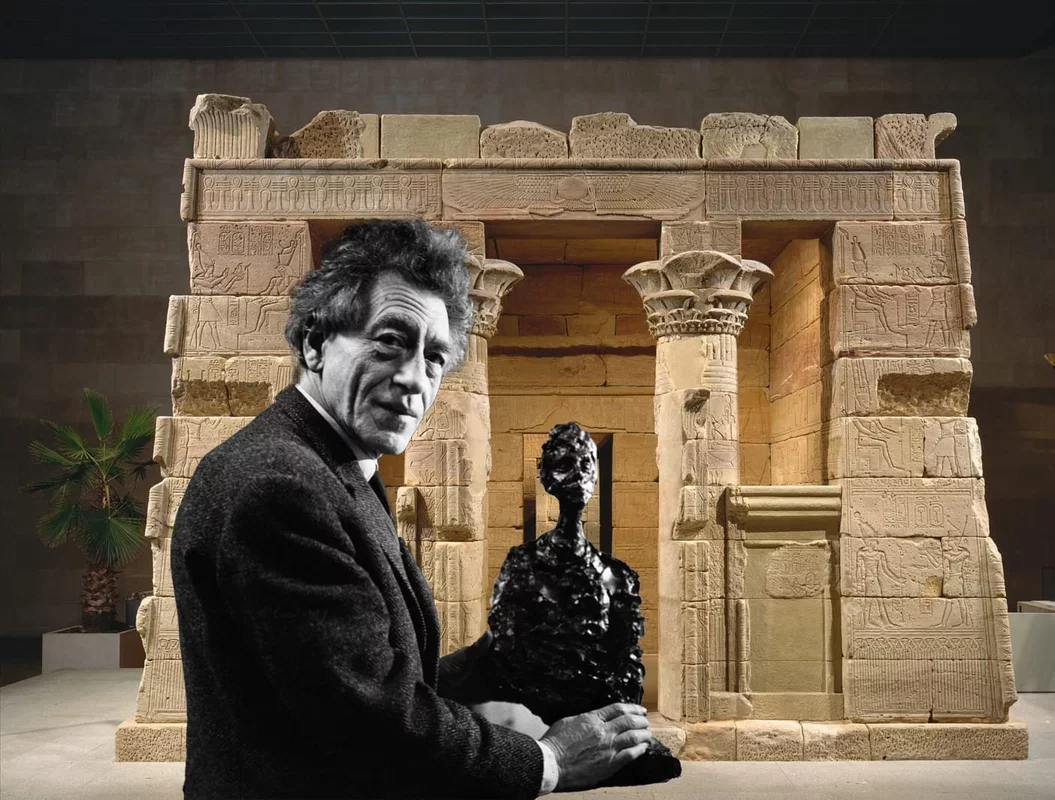
This summer, the Metropolitan Museum of Art will present a unique exhibition featuring the elegant sculptures of Swiss artist Alberto Giacometti within the iconic Ancient Egyptian Temple of Dendur. This remarkable collaboration, made possible through a loan from the Paris-based Fondation Giacometti, will showcase 17 of Giacometti's works, blending modern artistry with ancient history.
The exhibition, titled Giacometti in the Temple of Dendur, will highlight 14 sculptures on loan from the foundation, complemented by three pieces from The Met's own collection. The temple, built in the first century BCE and dedicated to the goddess Isis, serves as a stunning backdrop for Giacometti's slender figures, many of which depict feminine forms, including the renowned Femme qui marche I from 1932 and Femme de Venise I from 1956. The sculptures vary in height, ranging from 11 inches to over 8 feet tall, creating a striking visual dialogue with the temple's ancient carvings.
According to Emilie Bouvard, curator at Fondation Giacometti, the artist's fascination with Egyptian art began in his youth. She noted, "Egyptian art, with its blend of naturalism and symbolism, resonated with Giacometti's quest for both monumentality and humanity." This exhibition offers a rare opportunity to view his work in a space of significant historical and architectural importance.
Giacometti's exposure to Egyptian sculpture during his early years in Paris, particularly at the Louvre, profoundly influenced his artistic evolution. The Met emphasizes that the installation aims to inspire visitors to perceive the temple as "a living sacred environment," as stated by Associate Curator of Egyptian Art Aude Semat. The exhibition seeks to illuminate the temple's original spatial and symbolic significance while fostering a dialogue that bridges millennia about how sculpture embodies presence and belief.
The Temple of Dendur, a gift from Egypt to the United States in 1965, stands as a testament to cultural preservation efforts following the construction of a dam on the Nile. The temple was meticulously reconstructed at The Met, opening to the public in 1978, and has since become one of the museum's most celebrated exhibits.
Giacometti, born in 1901, was influenced by his father, a painter, and became a pivotal figure in the Surrealism movement before developing his signature style characterized by elongated forms post-World War II. As noted by Met Curator of Modern Art, Stephanie D'Alessandro, Giacometti's work continuously explored the essence of human experience. Within the context of the Temple of Dendur, his sculptures offer profound insights into his lifelong endeavor to distill human presence to its most essential form.
The exhibition is set to open on June 12 and will run until September 8, inviting visitors to explore the intersection of modern artistry and ancient culture.