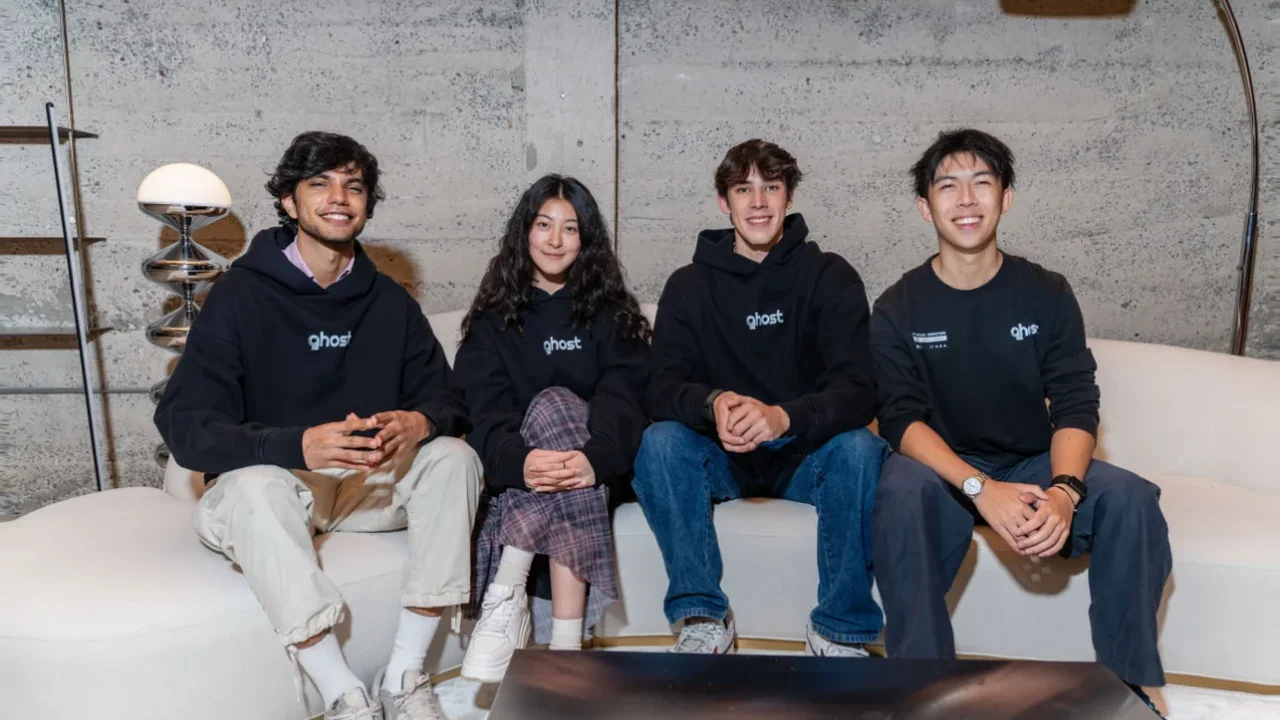
AI startup Ghost has emerged with an $11 million seed investment and a new personal computing device designed for people who want AI agents to work continuously on their behalf.
Founded by 19-year-old Zain Javaid, Ghost is introducing Core, a $3,499 screen-free computer built to run AI models and personal assistants locally. The device is intended to bring a user's digital activity, applications and connected home information into one private computing environment.
Built for always-on AI assistance
Core is powered by an Nvidia RTX Pro 4000 SFF Blackwell GPU and comes with several AI models preinstalled. Users can also add compatible models or deploy their own trained systems. Ghost says its dedicated software, browser and file system are designed to help AI agents retain context, manage tasks and operate without repeated prompts.
The computer is accessed through a mobile or desktop application, with voice interaction available through the app. Its approach differs from general-purpose desktops by combining specialized hardware with software developed specifically for agent-based AI workflows.
Local data and user control
A central feature of Core is its focus on local processing. Ghost says personal memory, AI models and user data remain on the device, protected with encryption rather than being dependent on external cloud services. The company also plans to let owners determine how much autonomy their AI agents receive.
Ghost is developing a security layer that monitors network activity and can restrict agent actions involving credentials or sensitive information. The system is intended to flag unusual requests for user review before they proceed.
Core will support software and model updates over the air, allowing users to adopt improved AI capabilities as they become available. Ghost says the device has been designed to remain functional independently, with its core software and model assets stored directly on the hardware.
With first shipments planned for late October, Ghost is positioning Core as a simpler way to bring capable, personalized AI into daily routines. This model of private, on-device intelligence could help shape a future where personal technology is more proactive, adaptable and controlled by its owner.