A major step in archaeology may be reshaping how the ancient world understands writing. French archaeologist François Desset says he has decoded much of Linear Elamite, a mysterious script used in Bronze Age Iran more than 4,000 years ago.
A rare script comes into focus
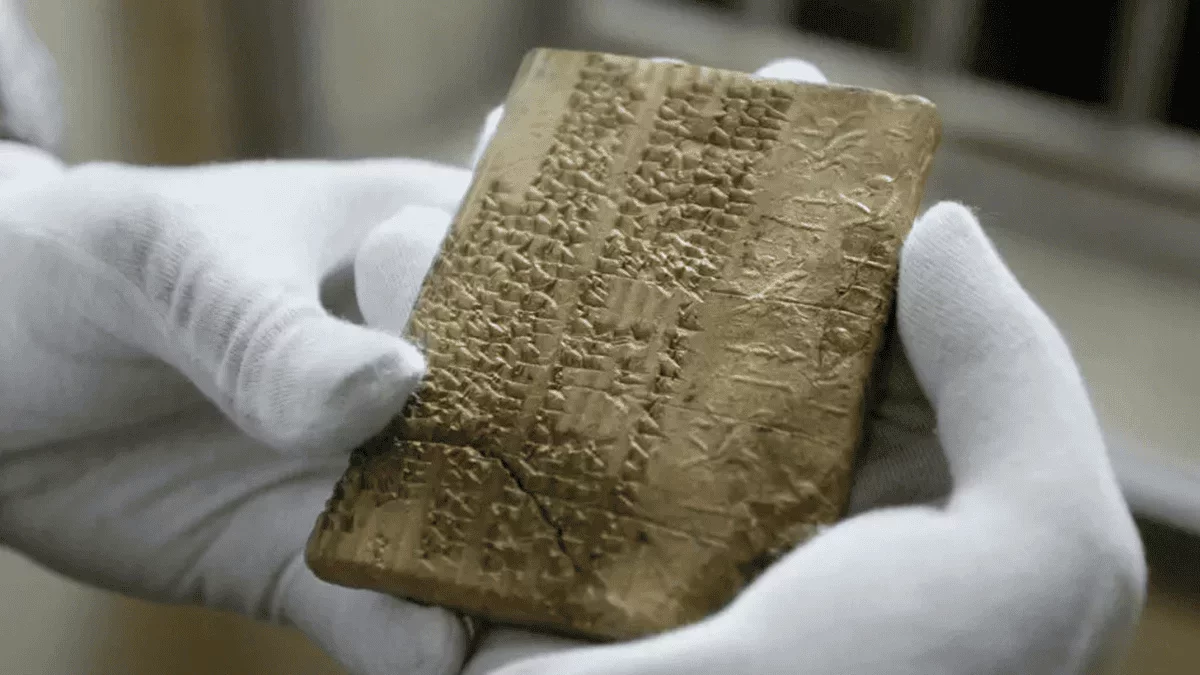
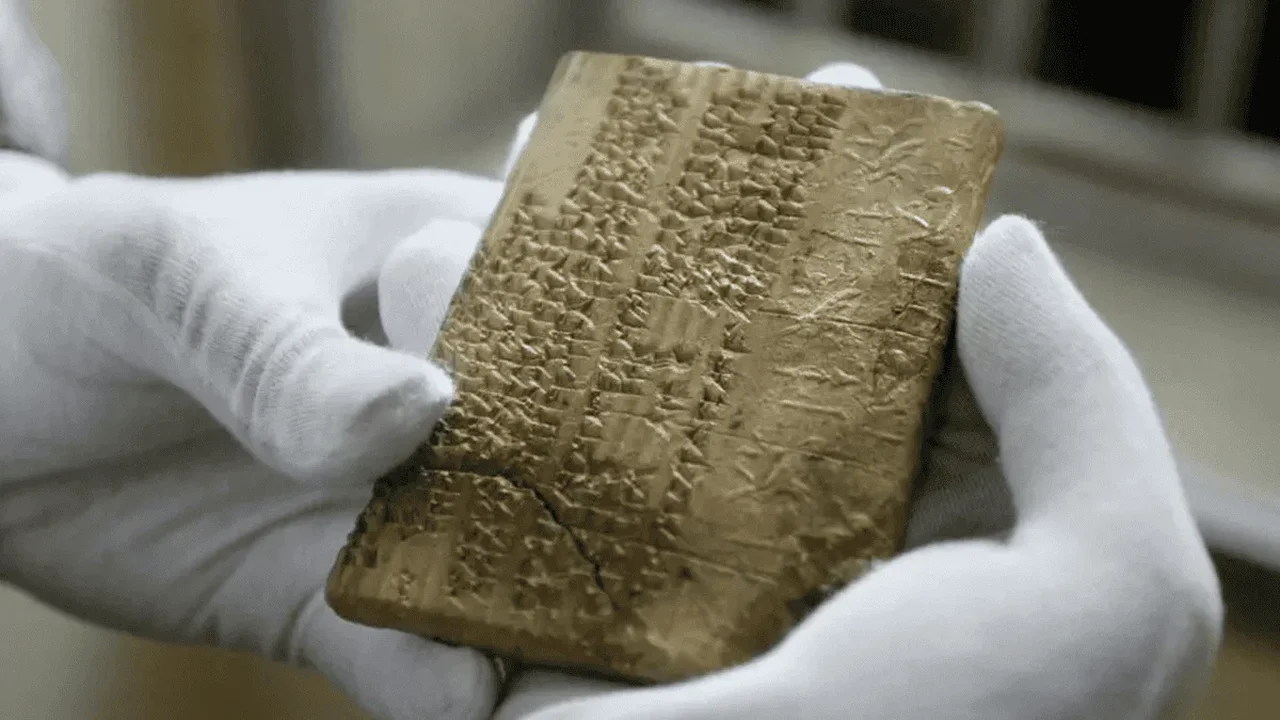
Linear Elamite appeared on stone, clay, and metal objects across ancient Elam, a civilization centered in what is now southwestern Iran. Unlike the far more abundant cuneiform record, this script survives in only a small number of inscriptions, which made long-term study difficult.
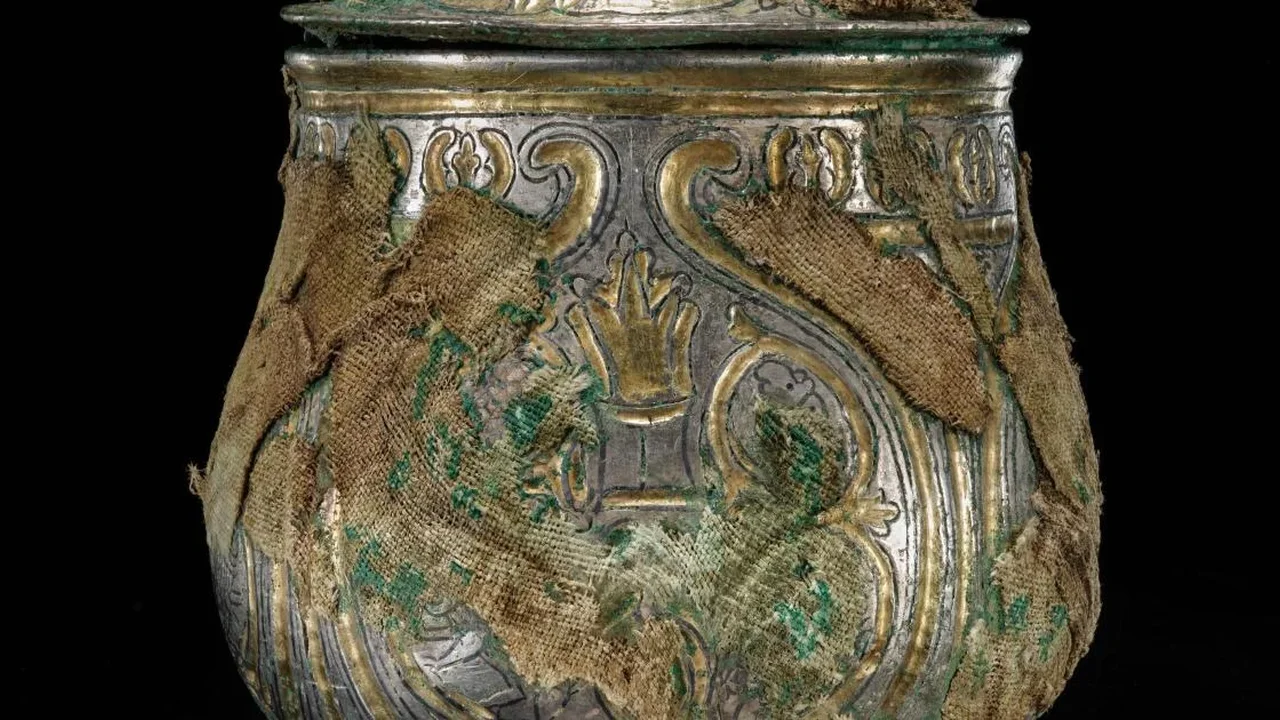
Desset's breakthrough grew from silver vessels linked to a private collection in London. The inscriptions on these objects contained repeated royal and divine names, giving researchers a way to match sign patterns with known historical figures such as Šilhaha and Napireša.
By comparing these sequences with related texts in Akkadian cuneiform, Desset's team identified dozens of sign values and argued that Linear Elamite may have been a largely phonetic system. If confirmed, that would place ancient Iran at the center of one of humanity's earliest experiments in sound-based writing.
Why the discovery matters
The proposal is still debated. Some specialists remain unconvinced and argue that the script may also include logograms. Even so, the research has already expanded the conversation around Elam, showing that the Iranian plateau was not just influenced by neighboring civilizations but also developed its own original written tradition.
Beyond the academic debate, the work offers a wider cultural insight: even fragmentary inscriptions can reopen access to lost voices from the Bronze Age. As more ancient texts are studied with fresh methods, the history of writing may become broader, older, and more diverse than once imagined. The future of decipherment could reveal many more civilizations speaking again through their own symbols.