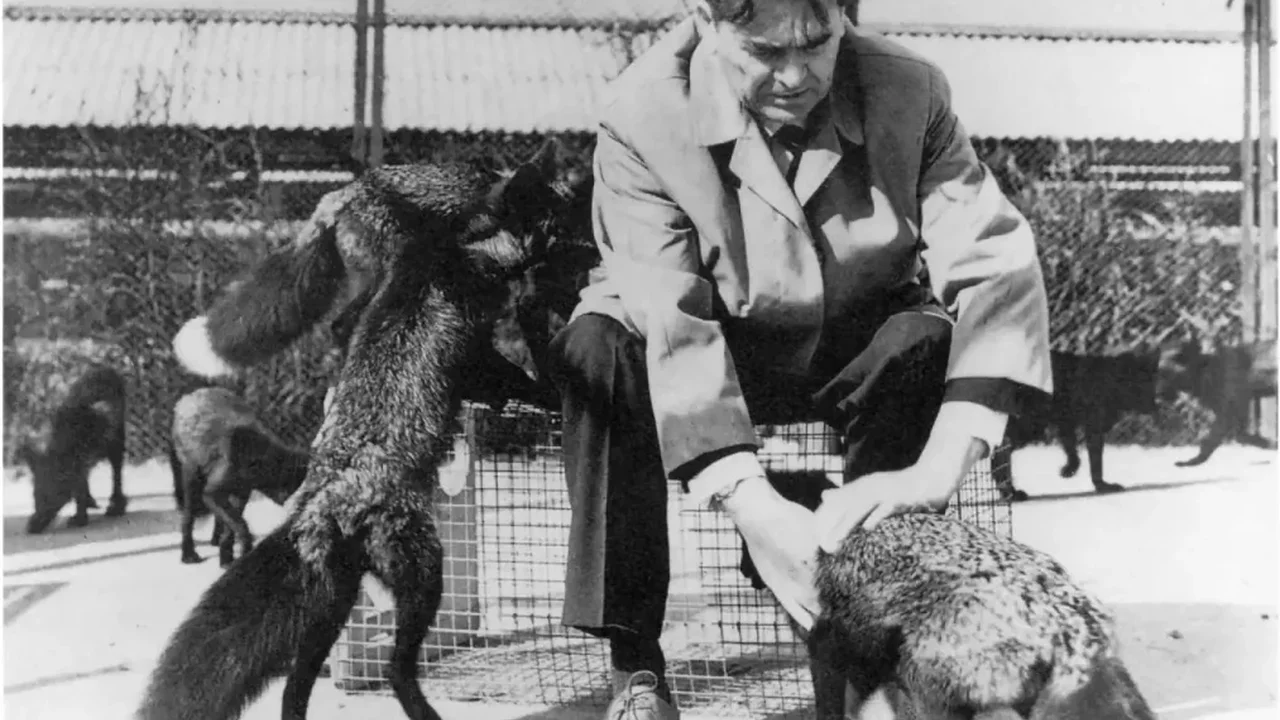
A breeding experiment begun in Siberia in 1959 is giving researchers new clues about how changes in animal behavior may have helped pave the way for domestication. Scientists found that foxes selected over generations for friendliness toward humans had fewer neurons linked to aggression in a key brain region.
The experiment, launched by Soviet geneticist Dmitry Belyaev and colleague Lyudmila Trut, paired silver foxes that showed the least fear and aggression around people. By the sixth generation, some young foxes were voluntarily approaching humans. Over time, the friendly group also displayed behaviors and physical features often associated with dogs.
Comparing fox brains
Researchers, including a team from Cornell University, examined nine preserved brains: three from foxes bred for tameness, three from foxes selected for aggression, and three from unselected wild foxes. They focused on the ventromedial hypothalamus, an area involved in social behavior and aggression.
The tame foxes had fewer neurons associated with aggression than the deliberately aggressive group. The result suggests that selecting for friendliness may be accompanied by changes in the brain's cellular makeup. However, the small sample cannot show whether those differences caused the animals' behavior.
A separate analysis of dog genetics, published in Molecular Biology and Evolution, found that selection for reduced fear and aggression appears to have been shared across major dog lineages. Together, the findings point to social behavior as a possible early part of domestication, alongside the longer process that transformed wolves into dogs.
The fox brain study appeared in Current Biology. Further research may clarify how inherited changes in social behavior shape the relationships between humans and other species.