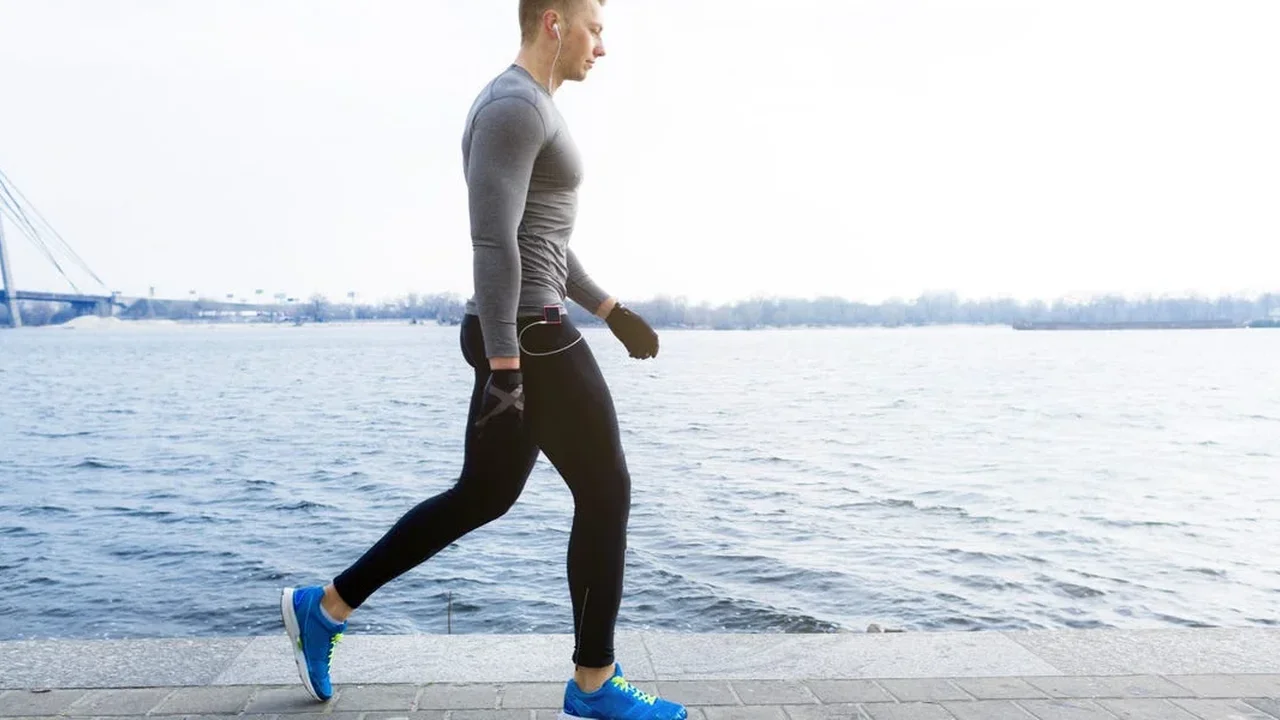
Walking is one of the most accessible ways to move, but does it qualify as exercise? Fitness professionals largely agree that the answer depends on intent, intensity and individual fitness level.
Everyday movement--such as walking to work, running errands or taking the stairs--supports an active lifestyle. Exercise, however, is typically planned activity designed to challenge the body and create a specific adaptation, whether that means improving endurance, strength, balance or cardiovascular capacity.
When walking becomes a workout
For beginners, older adults, people returning to movement after a break, or those in rehabilitation, walking can be a highly effective workout. A steady pace may elevate the heart rate, build tolerance for activity and support balance, mobility and aerobic fitness.
Experts note that a walk becomes more training-focused when it includes a clear goal. Setting a duration, increasing pace, choosing hills, adding intervals or tracking distance can turn a casual stroll into structured exercise.
For example, alternating brisk and comfortable intervals, walking on an incline or gradually extending a route can provide a stronger cardiovascular stimulus. The key is progressive challenge: the activity should feel meaningful for the person's current capabilities.
Fitness level shapes the answer
For highly trained runners, athletes or frequent gym-goers, a relaxed walk may not create enough intensity to replace a dedicated cardio session. Yet it still has value as a low-impact way to maintain daily movement, aid recovery and add variety to a routine.
Rather than treating step counts as a universal benchmark, experts encourage people to consider their own starting point. A daily target such as 7,000 or 8,000 steps can be a useful lifestyle measure, but it does not automatically deliver the same training effect for everyone.
Walking also offers an approachable entry point for people who find traditional exercise intimidating. Its low cost, flexible format and adaptable pace make it easier to build a consistent habit before progressing toward more demanding training.
The most practical approach is to view walking as a versatile tool: it can be daily movement, active recovery or a genuine workout depending on how it is designed. As personalized fitness becomes more central to wellbeing, walking may continue to bridge the gap between everyday activity and sustainable exercise.