For athletes and everyday fitness enthusiasts, a dedicated heart rate monitor can add a more precise layer of insight to training. While smartwatch sensors are increasingly capable, chest straps use electrical signals and are widely preferred for consistent readings during high-intensity sessions.
Leading options for precision and comfort
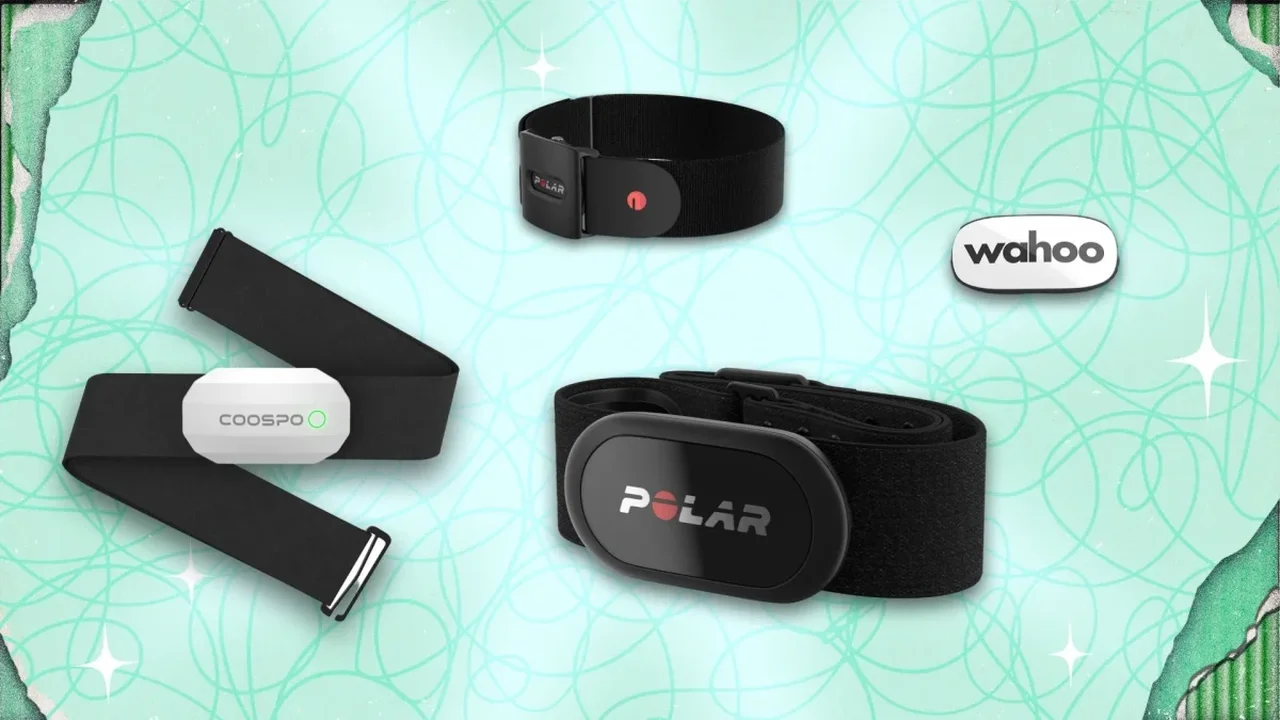
The Polar H10 chest strap is available for $84.74, reduced from its $104.95 list price. Designed for users who prioritize dependable workout data, it is compatible with a broad range of connected fitness devices.
Those who prefer a strap-free format may consider the Polar Verity Sense armband. Using an optical sensor, the model offers a lightweight alternative for general training and is listed at $85.46, down from $104.95.
Accessible choices for connected fitness
Coospo's chest-strap range brings heart rate tracking to a lower price point. The H6 is listed at $23.99, while the newer Coospo H808S is available for $26.26, a reduction from $36.99. Both support wireless connectivity for activities including running, cycling and gym training.
The Wahoo TRACKR, another chest-strap option, is priced at $84.99 instead of $99.99. It is aimed at users seeking live heart rate data across multiple workout environments.
Connecting a monitor to a training routine
Most dedicated monitors connect through Bluetooth and, in many cases, ANT+. They can pair with compatible watches and phones or broadcast data directly to gym equipment. Pairing requirements vary by device, so checking hardware compatibility before purchasing remains important.
As connected fitness becomes more accessible, accurate heart rate data can help more people tailor intensity, recovery and long-term training habits to their own goals.