Figma has introduced a major update that brings code layers, motion tools and expanded AI features into its collaborative design environment. The new release is aimed at making the handoff between design and development faster, more flexible and more experimental.
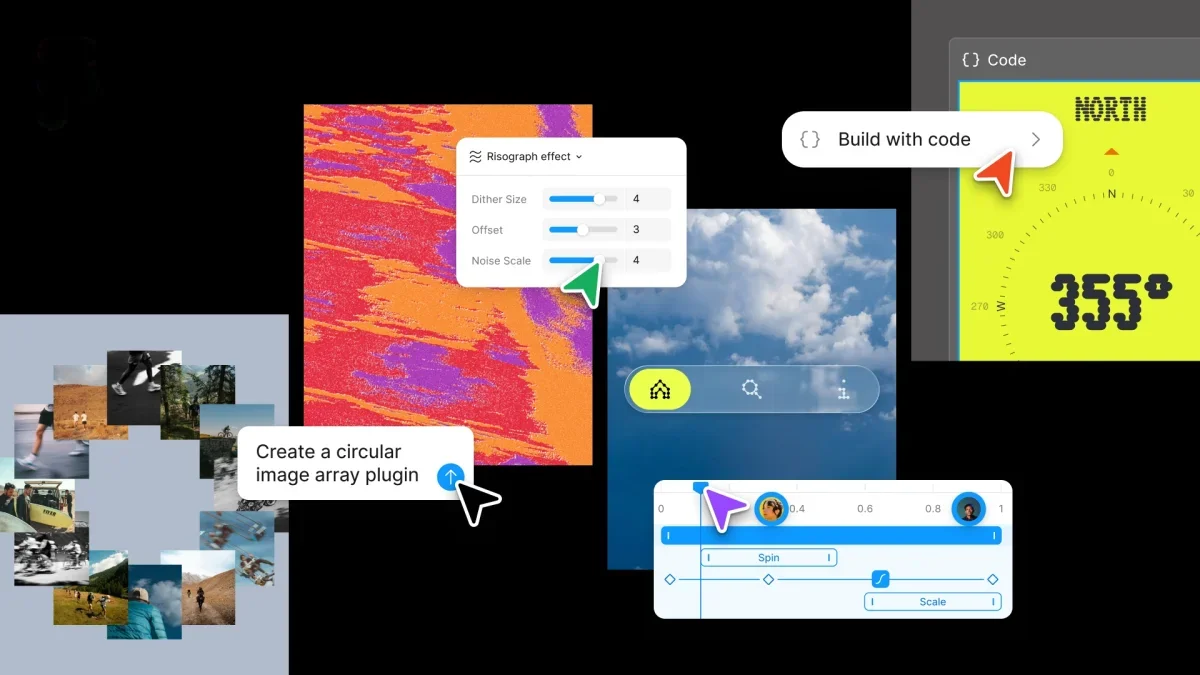
With code layers now built directly into the canvas, teams can work with repositories, pull flows from code into design layers and test ideas in a shared space. Figma says this approach is designed to support rapid iteration across designers, product managers and engineers, especially when exploring multiple directions.
The platform is also adding native support for animations, transitions, 3D transforms and shader effects. Instead of moving assets between different tools, creators can now shape motion and visual behavior inside Figma itself.
AI plays a larger role in the update as well. Users can generate certain assets with prompts, create shader fills with AI and build repeatable skills for the assistant. Figma is also expanding support for custom plugins, including tools such as layout generators and vector path tracers, created through natural-language prompts.
The company is further connecting its ecosystem with tools like Notion, Granola, Excel and GitHub, while preparing deeper integration with Weavy workflows later in the year. The direction points to a more connected design workflow where creativity, automation and code move together. In the future, this kind of integration could redefine how digital products are imagined and built.