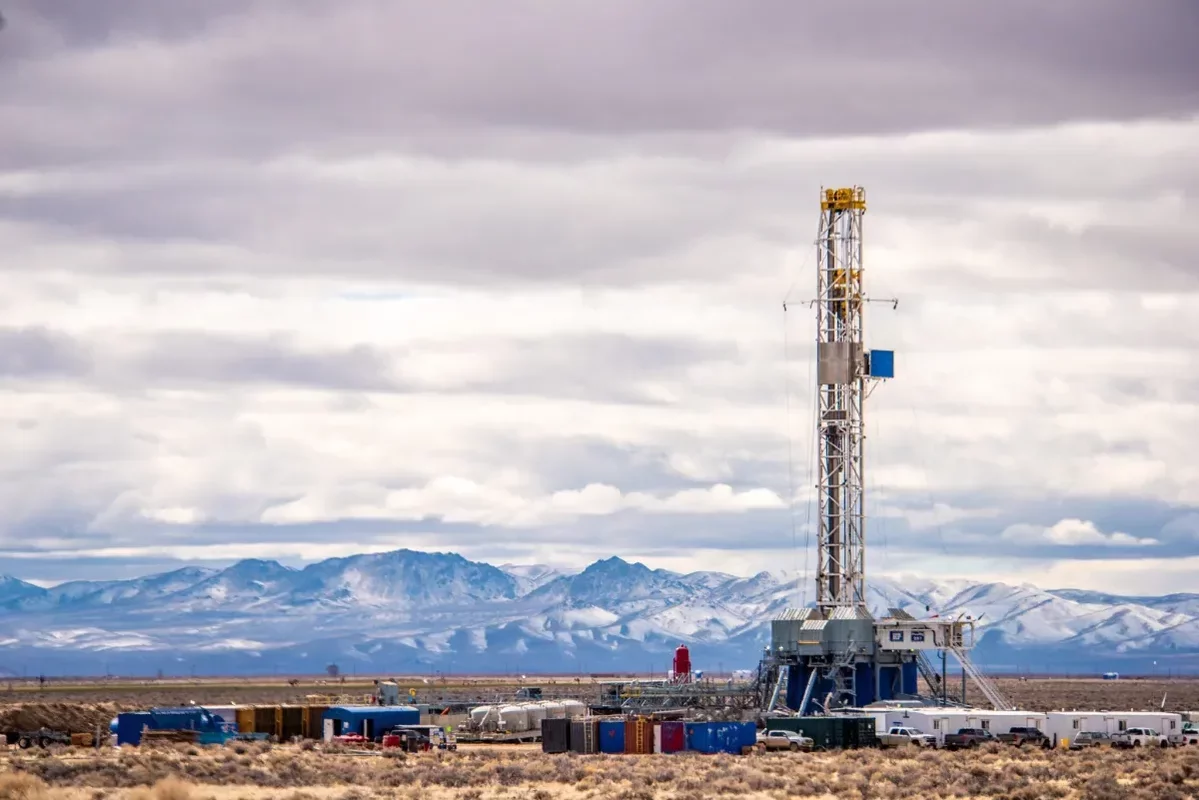
In recent years, the field of enhanced geothermal energy has gained significant momentum, driven largely by the increasing electricity demands of data centers. Fervo Energy, a pioneer in this sector, has successfully secured pivotal financing that may signal its emergence from the challenging phase often referred to as the "valley of death."
The "valley of death" is a critical juncture for startups, where they have validated their technology but struggle to obtain sufficient funding to demonstrate profitability at scale. Many startups unfortunately falter during this stage.
Determining when a startup successfully navigates this valley can be complex. A key indicator is the ability to secure project financing that is not directly linked to the startup's overall financial health. Fervo Energy recently announced a significant milestone: a $421 million loan characterized as "non-recourse." This arrangement means that the financial liability is tied to a specific project rather than the company itself, allowing for a safety net where project failure does not equate to company failure.
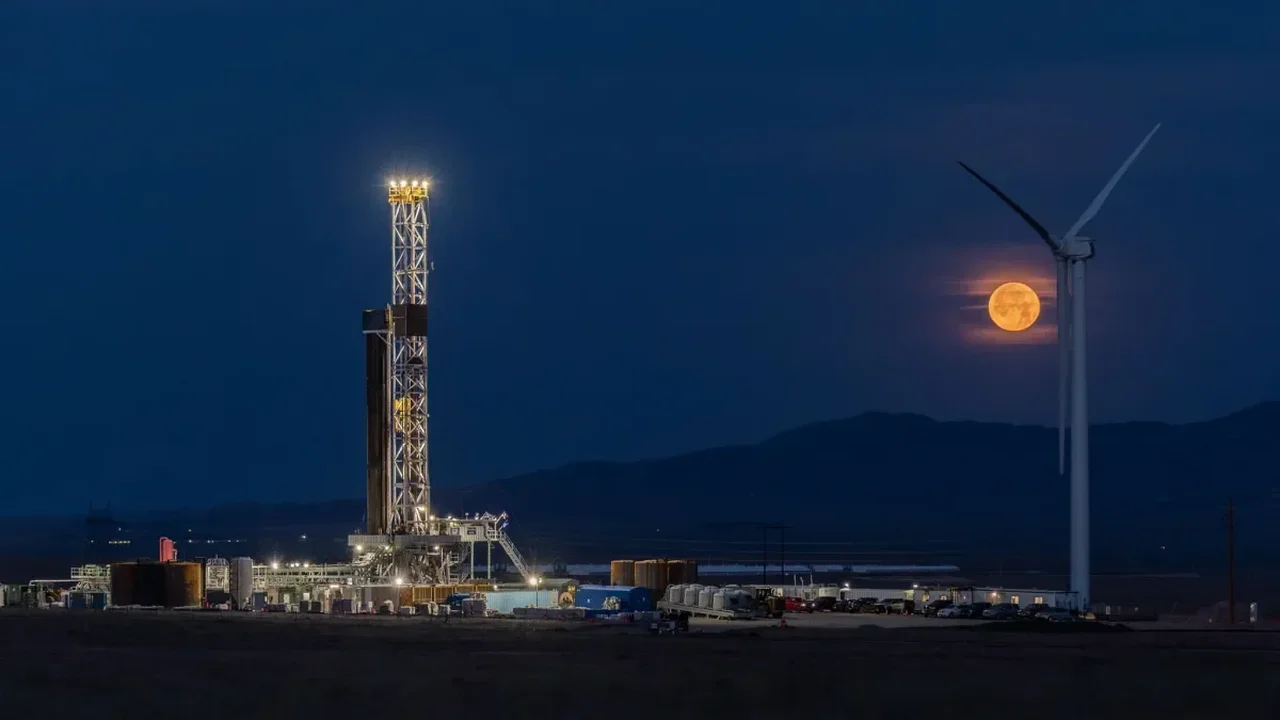
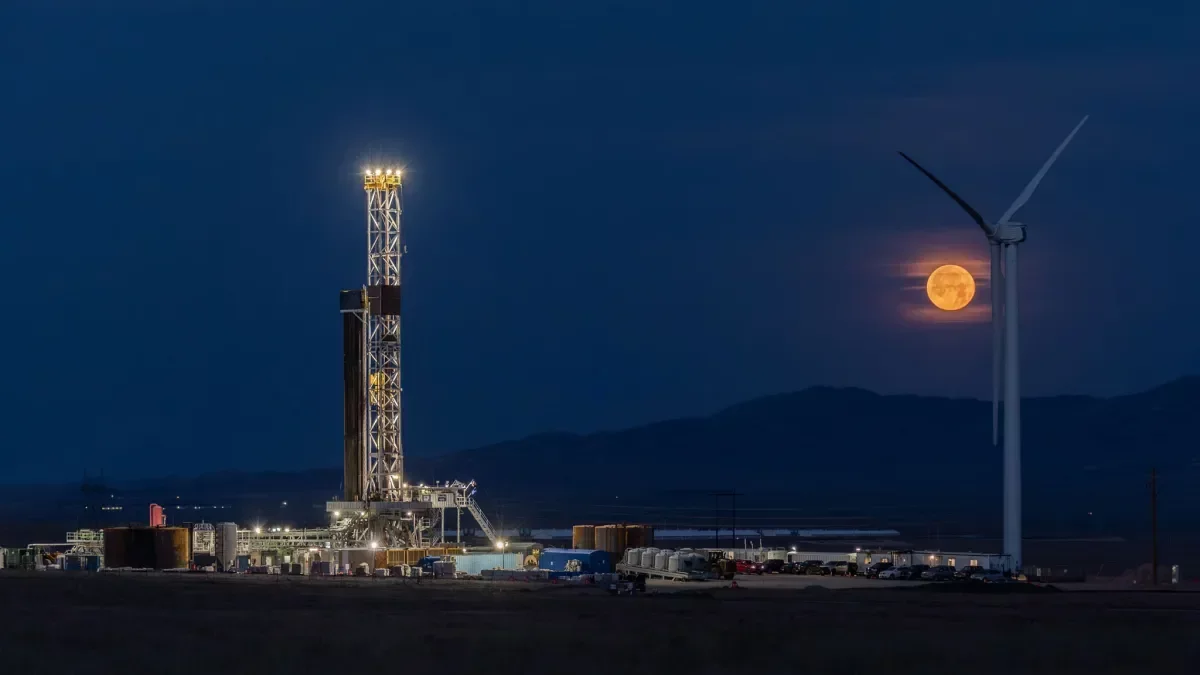
The financing will support Fervo's Cape Station power plant in Utah, set to commence operations this year. The plant is expected to scale up to an impressive 100 megawatts by early 2027, ultimately reaching a capacity of 500 megawatts upon full completion. Notably, all generated power has already been contracted, ensuring a stable revenue stream.
Fervo highlighted that non-recourse financing is typically uncommon for first-of-their-kind facilities, which Cape Station partially represents. Although the site is still under development, Fervo possesses extensive data from over a dozen wells drilled in the area, which likely played a crucial role in securing this financing.
This innovative approach to funding not only bolsters Fervo's position in the geothermal sector but also sets a precedent for future renewable energy projects. As the demand for sustainable energy solutions continues to rise, Fervo Energy's success could inspire a wave of similar initiatives, paving the way for a cleaner, more resilient energy landscape.