A small early-stage study suggests that capsules made from gut microbes donated by healthy people may help some adults with severe peanut allergy tolerate more peanut protein under medical supervision.
How the trial worked
Researchers at Boston Children's Hospital and Harvard Medical School enrolled 15 adults aged 18 to 33, all of whom reacted to very small amounts of peanut protein in an initial challenge. Participants swallowed 36 odorless, frozen capsules over about three hours. Ten received the microbe capsules alone, while five also took antibiotics beforehand to make room for the donated microbes in the intestine.
Four months later, six participants showed higher peanut tolerance. One person could handle 300 milligrams of peanut protein, about the amount in a single peanut, while five tolerated 600 milligrams or more. One participant reached the highest tested dose, roughly equal to four peanuts.
Why it matters
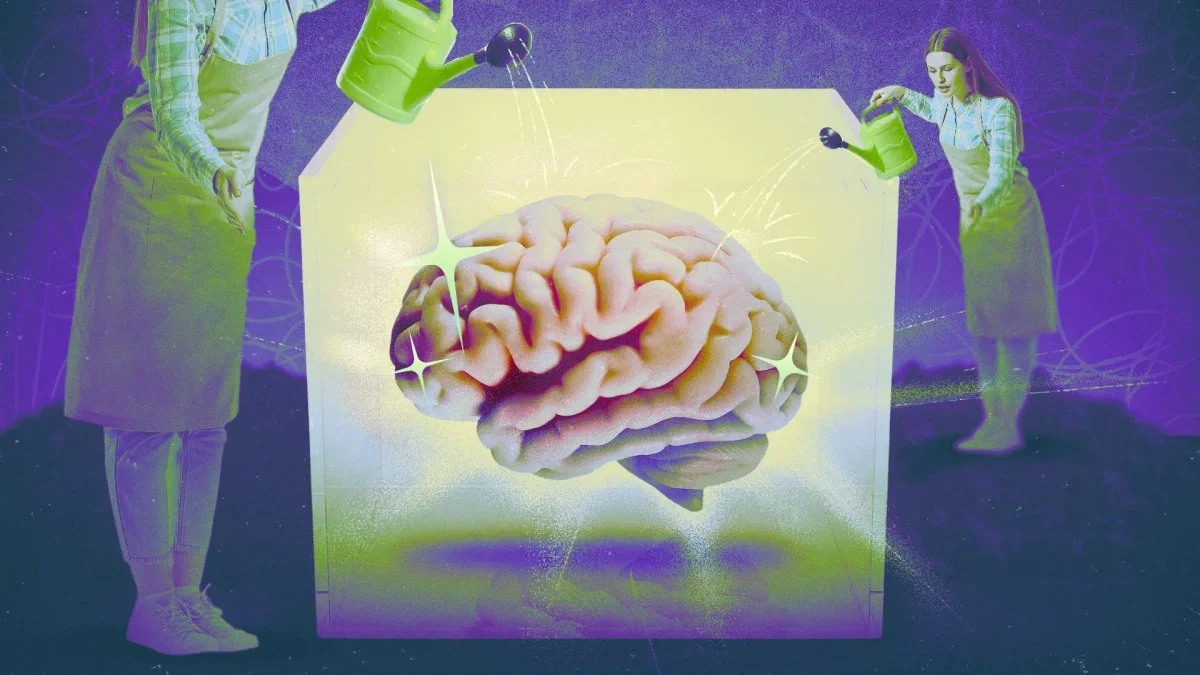
The work builds on earlier research showing that the gut microbiome can influence how the immune system responds to food. In previous studies, the same research team found that microbes from healthy infants helped protect allergy-prone mice, while some bacterial groups appeared to support immune tolerance.
The new results do not point to a cure yet, but they do suggest that microbiome-based therapy could become a meaningful new tool in allergy care. The study was published in Science Translational Medicine.
Researchers are now testing a purified version of the capsule in teenagers and exploring whether it can work alongside oral immunotherapy. If larger trials confirm these findings, gut-targeted treatments could help reshape the future of food allergy management.