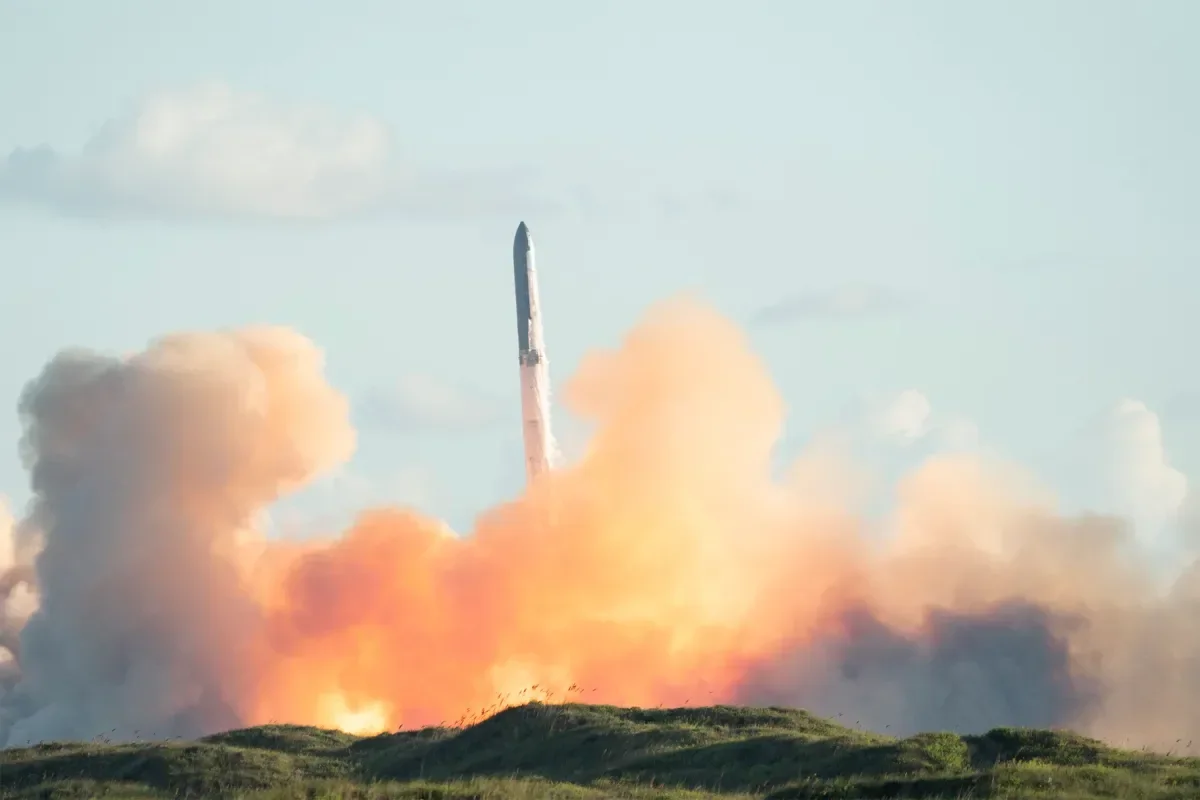
The Federal Aviation Administration (FAA) has mandated that SpaceX conduct an investigation into the failure of its Starship booster during the test flight conducted on May 22. This directive halts any further Starship launches until the investigation is concluded and the findings are submitted to the FAA for approval.
The FAA reported that the May 22 launch of SpaceX's Starship Flight 12 resulted in a mishap involving the Super Heavy booster, which was returning to the Gulf of Mexico following stage separation. Fortunately, there were no reported injuries or damages to public property. The FAA will supervise the investigation led by SpaceX, participating in every phase and ultimately approving the final report and any necessary corrective measures.
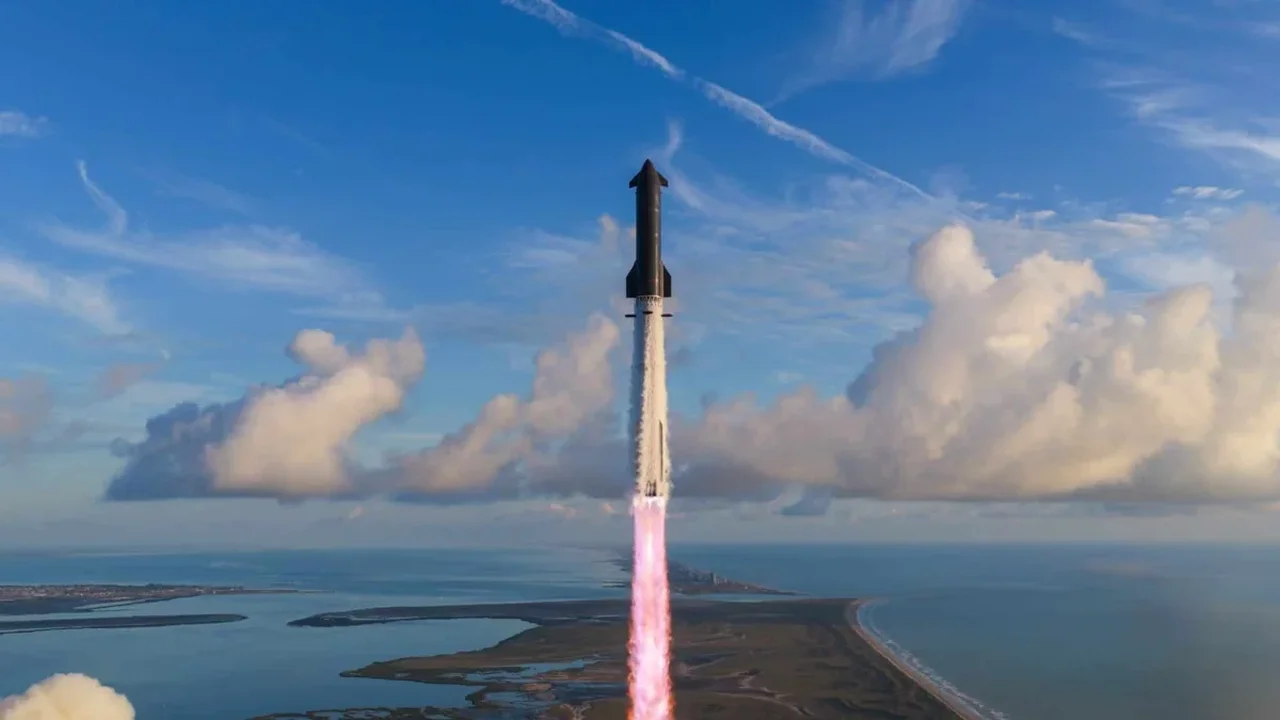
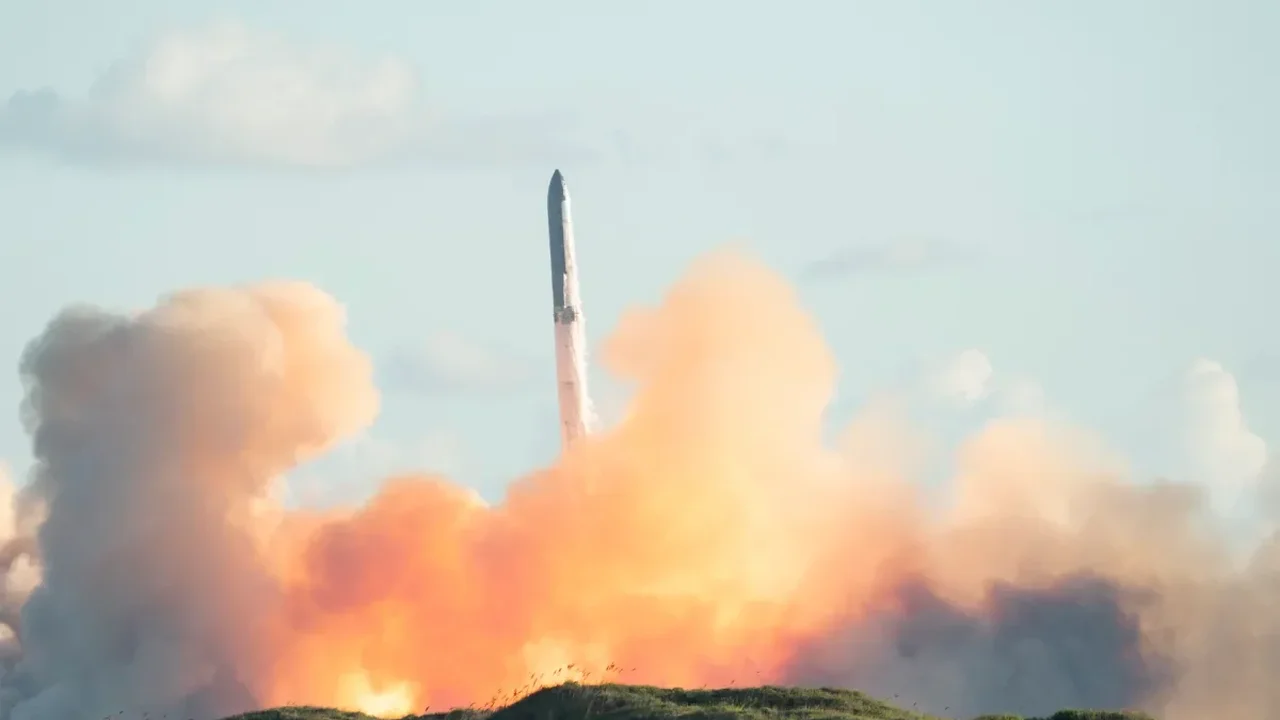
The booster experienced a malfunction shortly after launch, which was the inaugural flight of SpaceX's enhanced super heavy rocket system. The first "V3" Starship successfully navigated through maximum dynamic pressure and reached space, where it was designed to separate from the booster and simulate a water landing in the Gulf.
Although the booster successfully detached, it encountered an apparent engine failure while attempting a sustained burn to return to the launch site in South Texas. This malfunction caused the booster to tumble towards the Gulf, likely resulting in an explosion upon impact.
In this third iteration of Starship, SpaceX implemented numerous modifications to enhance reliability compared to the previous 11 test flights. These adjustments included redesigning the booster, integrating new third-generation Raptor engines, and upgrading the Starship vehicle itself.
Post-separation, Starship also faced a setback by losing one of its six Raptor engines, which led to the abandonment of one of its mission objectives: performing a sustained burn in orbit.
SpaceX anticipates failures as part of its developmental journey, aspiring to create a vehicle as reliable and reusable as the Falcon 9. Achieving reusable rocket technology is essential for reducing costs associated with transporting heavy payloads into space. As outlined in its IPO filing, SpaceX's growth, particularly in its Starlink service--its primary revenue stream--hinges on the success of Starship's reliability and reusability.
Additionally, the FAA has required SpaceX to undertake multiple investigations into mishaps during the development of Starship. This requirement extends to SpaceX's competitor, Blue Origin, as it progresses with its own heavy-lift rocket, New Glenn.
Recently, the FAA granted Blue Origin clearance for its New Glenn rocket to resume flights, with a fourth launch attempt expected in the coming month.