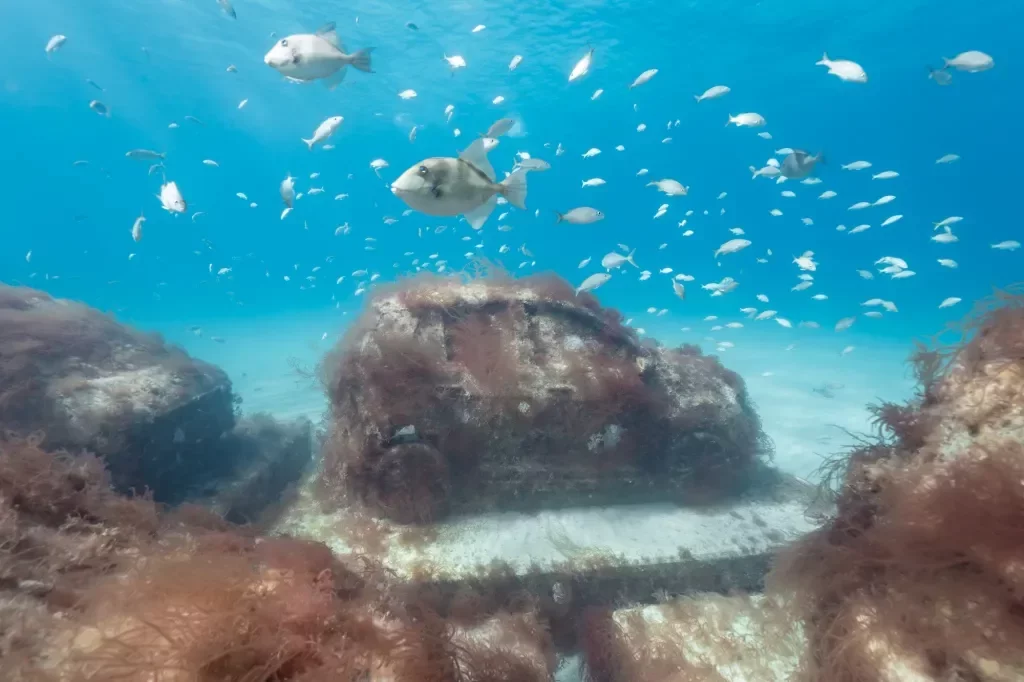
In a remarkable endeavor, the Reefline project aims to rejuvenate the marine ecosystem off the coast of Miami Beach by creating a seven-mile-long hybrid sculpture and coral reef. Spearheaded by cultural visionary Ximena Caminos, this initiative seeks to inspire collaboration among artists, curators, and local governments to address climate change through art.
Recently, I donned fins and a snorkel to witness the first phase of this innovative project firsthand. The initial installation features a striking sculpture, Concrete Coral, designed by Argentinian artist Leandro Erlich. This piece, resembling a traffic jam, symbolizes the intersection of urban life and marine conservation.
The Reefline addresses the critical state of the Florida Reef Tract, the world's third-largest reef system, which has suffered from urban development and environmental challenges. The project includes various underwater sculptures, with future phases set to introduce additional artworks inspired by marine life.
Coral reefs, often considered the oceans' cities, provide essential habitats for countless marine species. As climate change threatens these ecosystems, initiatives like the Reefline highlight the potential for art to foster environmental awareness and action.
During my visit, I learned from Colin Foord, co-founder of Coral Morphologic, about the intricate relationship between coral and their environment. He emphasized the importance of these ecosystems in supporting marine biodiversity and the urgent need for restoration efforts.
As I swam among the sculptures, vibrant tropical fish darted around, showcasing the beauty of underwater life. This experience underscored the project's mission: to create a sustainable future for both art and the environment.
The Reefline serves not only as an artistic statement but also as a beacon of hope for ecological restoration, inviting visitors to reflect on the relationship between humanity and nature.