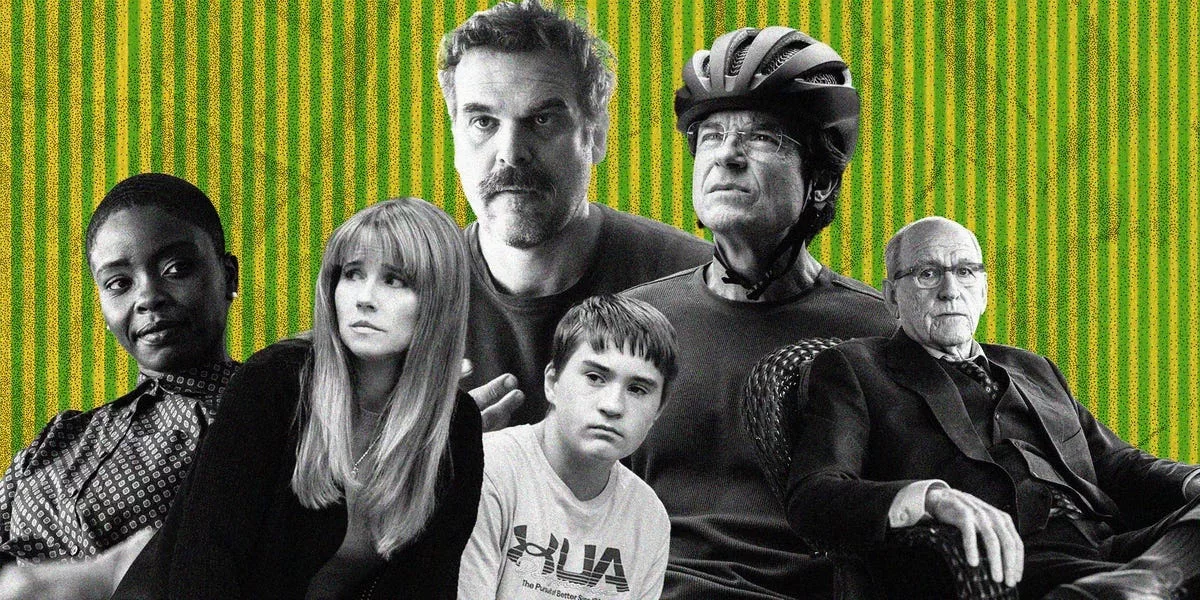
In the HBO series DTF St. Louis, creator Steven Conrad delves into the complexities of male friendship and vulnerability, culminating in a finale that challenges perceptions of normalcy. Throughout its seven episodes, the show flips the narrative of suburban life, showcasing characters grappling with midlife crises and emotional struggles.
The series finale, aptly titled "No One's Normal," encapsulates the essence of the show. The plot centers around the bond between two friends, Clark and Floyd, portrayed by Jason Bateman and David Harbour. Their relationship takes an unexpected turn when they find themselves in a vulnerable situation, revealing a level of intimacy that many men may never experience. This moment, however, is witnessed by Floyd's stepson, Richard, leading to a tragic misunderstanding that ultimately affects Floyd's fate.
Conrad reflects on the intricate balance between intimacy and shame, stating, "Floyd looks through that pane of glass in his underwear, and he's doing something that isn't that strange, honestly. You would understand if you were 45 and lonely." This poignant observation highlights the show's exploration of male vulnerability and the societal pressures surrounding it.
The narrative also touches on the theme of consequence-less intimacy, reminiscent of real-world apps like Ashley Madison. Conrad shares his thoughts on the implications of such connections, emphasizing that true intimacy carries weight and complexity that cannot be ignored.
As the show progresses, it becomes evident that the characters' struggles with loneliness and connection resonate deeply within the context of suburban life. Conrad articulates this sentiment, noting, "There's a suburban weight that exists in this world that I think is probably expectational." This exploration of the darker side of suburban existence invites viewers to reflect on their own relationships and the importance of genuine connection.
Ultimately, DTF St. Louis serves as a catalyst for conversations about male friendships and emotional openness. The show's intricate storytelling and character development encourage audiences to consider the depth of their own connections and the importance of vulnerability in fostering meaningful relationships. As we move forward, the lessons from this series may inspire a future where emotional expression among men is not only accepted but celebrated.