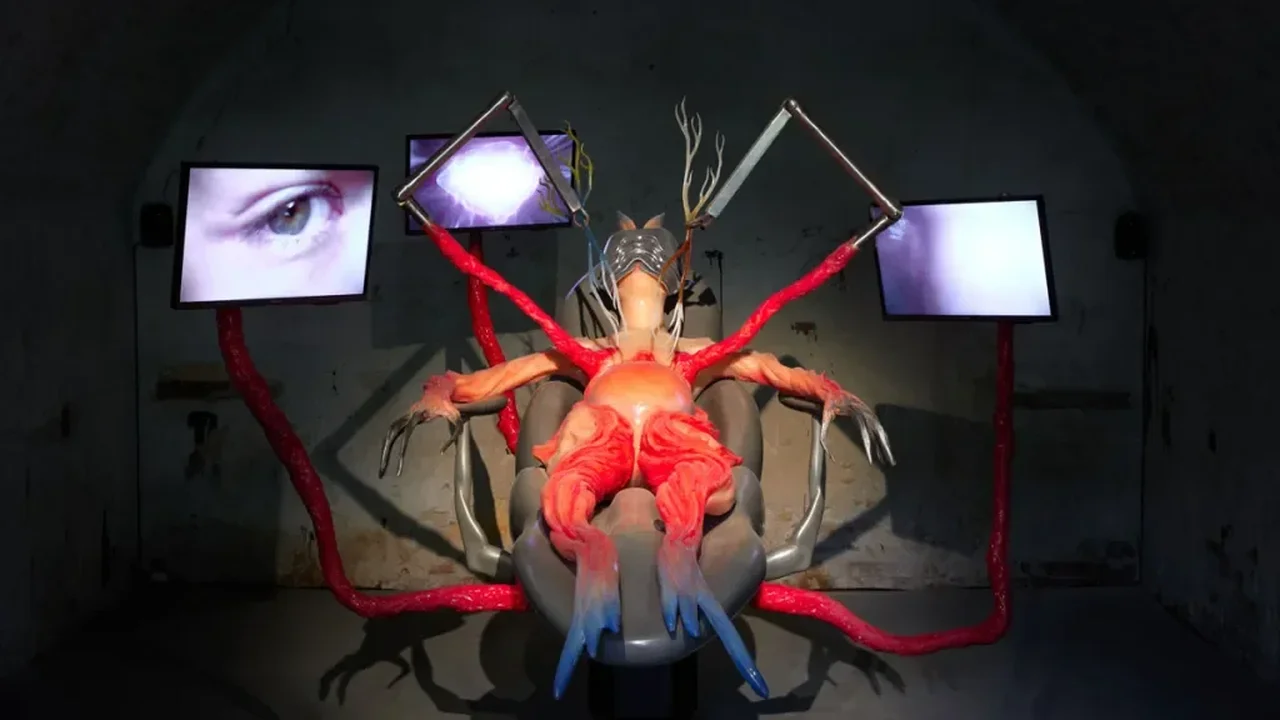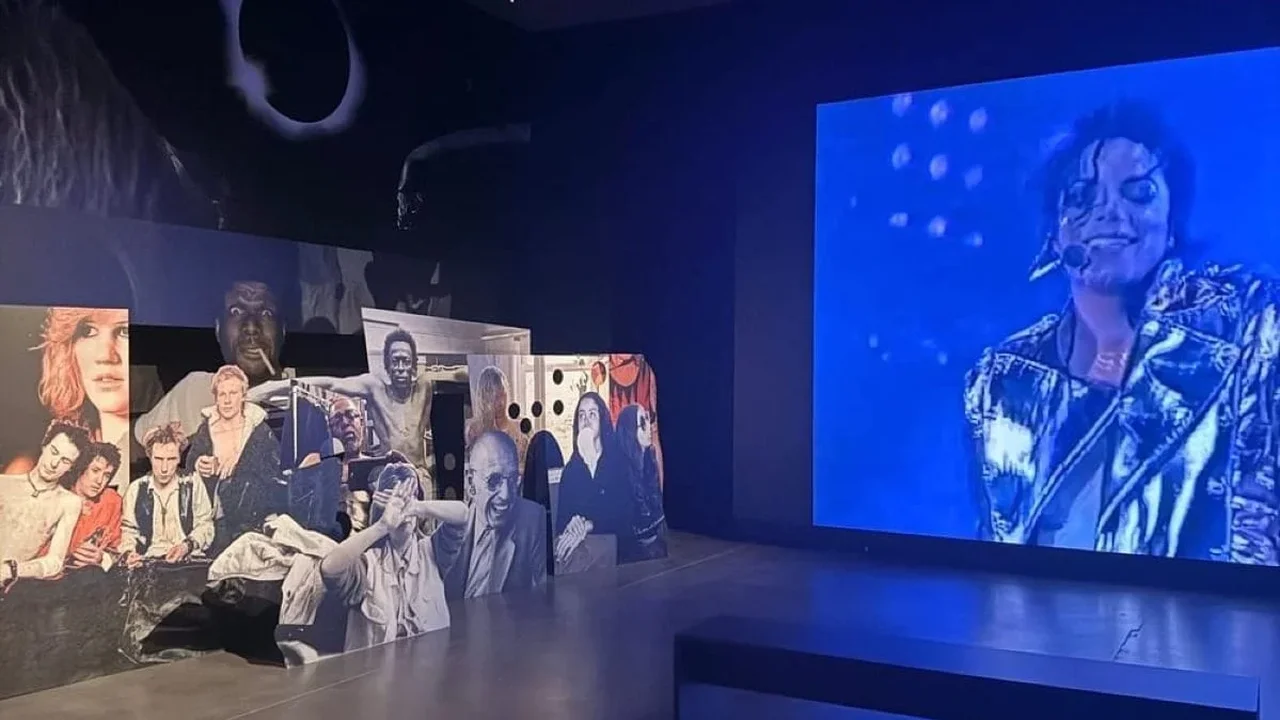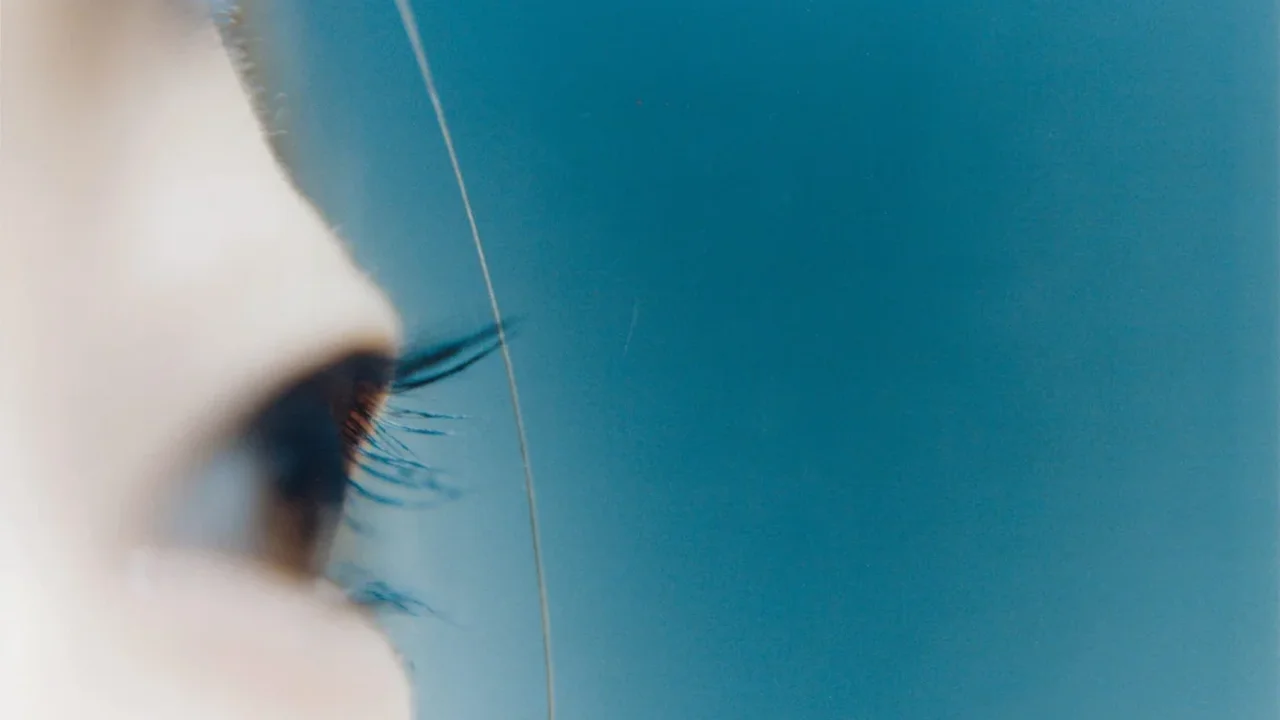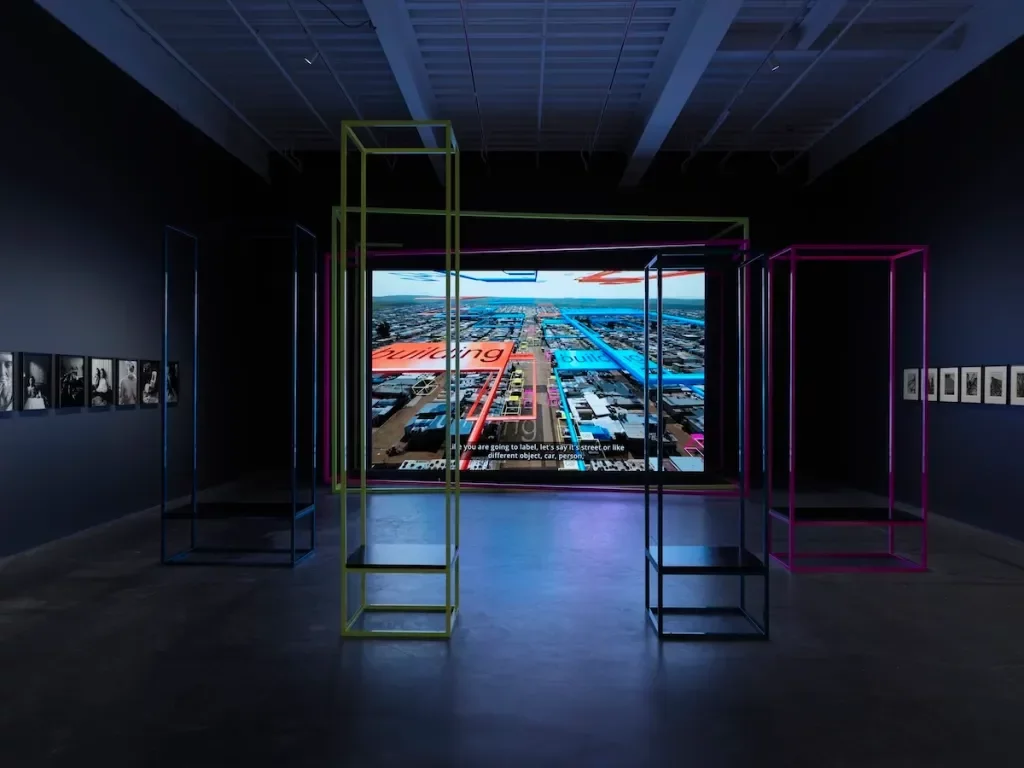
The New Museum's latest exhibition, "New Humans: Memories of the Future," delves into the intricate relationship between humanity and technology. This inaugural showcase, set in the museum's newly renovated space, features a diverse array of 273 works spread across four floors, all reflecting on the evolution of labor from ancient times to the present.
The exhibition draws parallels between ancient myths and contemporary issues, starting with the Mesopotamian tale where the Anunnaki and Igigi gods decided to create humans to alleviate the burden of labor. This narrative resonates with today's discussions about how human effort is increasingly sacrificed to empower machines. Artists in "New Humans" explore this theme, presenting a spectrum of works that interrogate the cost of technological advancement.
One notable section, "Mechanical Ballets," pays homage to the early 20th century's artistic responses to industrialization. Inspired by Oskar Schlemmer's ballets, this part of the exhibition highlights how artists grappled with the dehumanization brought about by war and mechanization. The costumes worn by dancers in these performances symbolized the constraints imposed on human bodies, reflecting a time when the lines between man and machine began to blur.
Another significant piece is John Heartfield and George Grosz's sculpture, which critiques the transformation of individuals into mere tools of production. This work encapsulates the anxieties of a society where human identity is increasingly intertwined with machinery, echoing themes present in Karel Čapek's play "R.U.R.," which introduced the concept of robots as labor-saving entities devoid of soul.
Fast forward to the present, and the exhibition features contemporary works like Hito Steyerl's "Mechanical Kurds," which examines the hidden labor behind artificial intelligence. Through interviews with Kurdish workers engaged in Amazon's Mechanical Turk platform, Steyerl reveals the ambivalence surrounding this new form of labor. While these workers find some income, they also face the uncertainties of a gig economy increasingly dominated by technology.
As the exhibition progresses, it raises profound questions about the future of work and human identity. Are we evolving into cyborgs, or are we paving the way for entirely new life forms? The artworks provoke thought on whether the automation of labor will lead to the obsolescence of the human worker or if it will inspire a redefinition of what it means to be human in a tech-driven world.
In a time when automation is reshaping industries, "New Humans" serves as a reminder of the historical struggles between labor and mechanization. It invites viewers to reflect on how these themes will continue to evolve, potentially inspiring a future where the relationship between humans and machines is reimagined for the betterment of society.