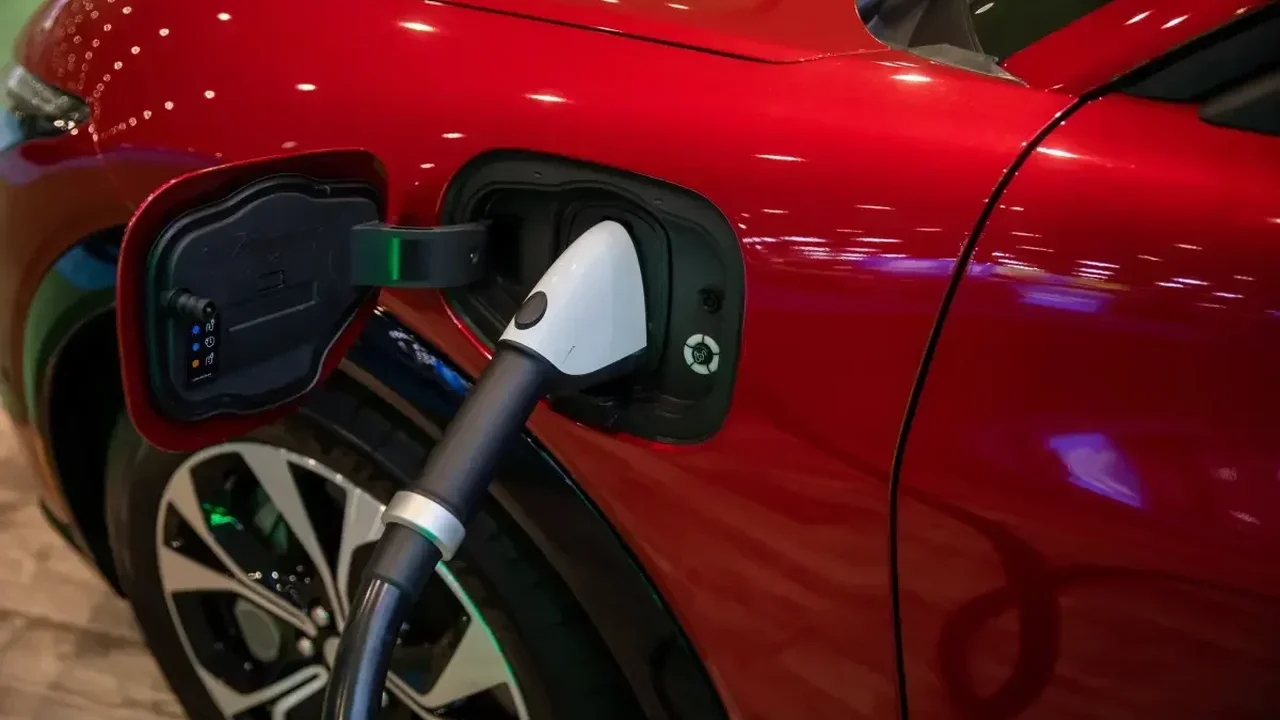
Electric vehicle charging has long been seen as the weak link in long-distance travel, but recent real-world experience suggests a major shift. On a 600-mile trip to Montreal, a driver found that public fast charging was not only usable, but remarkably smooth.
A smoother road trip experience
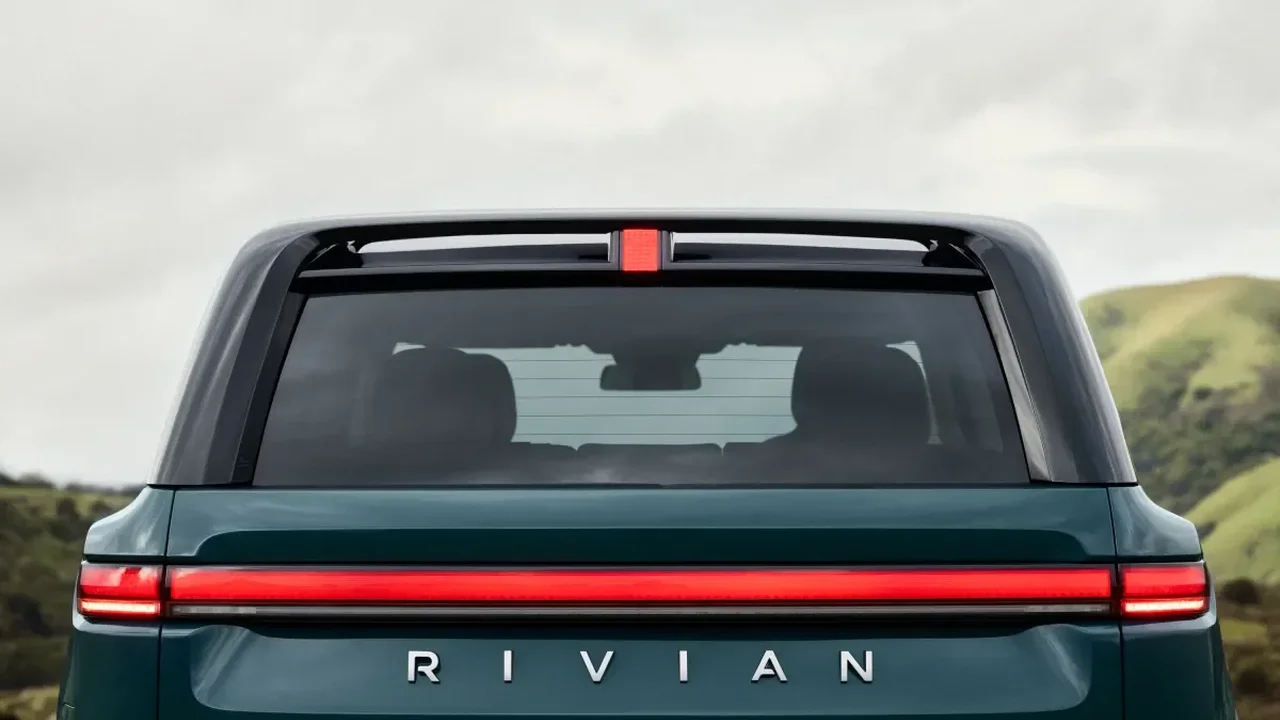
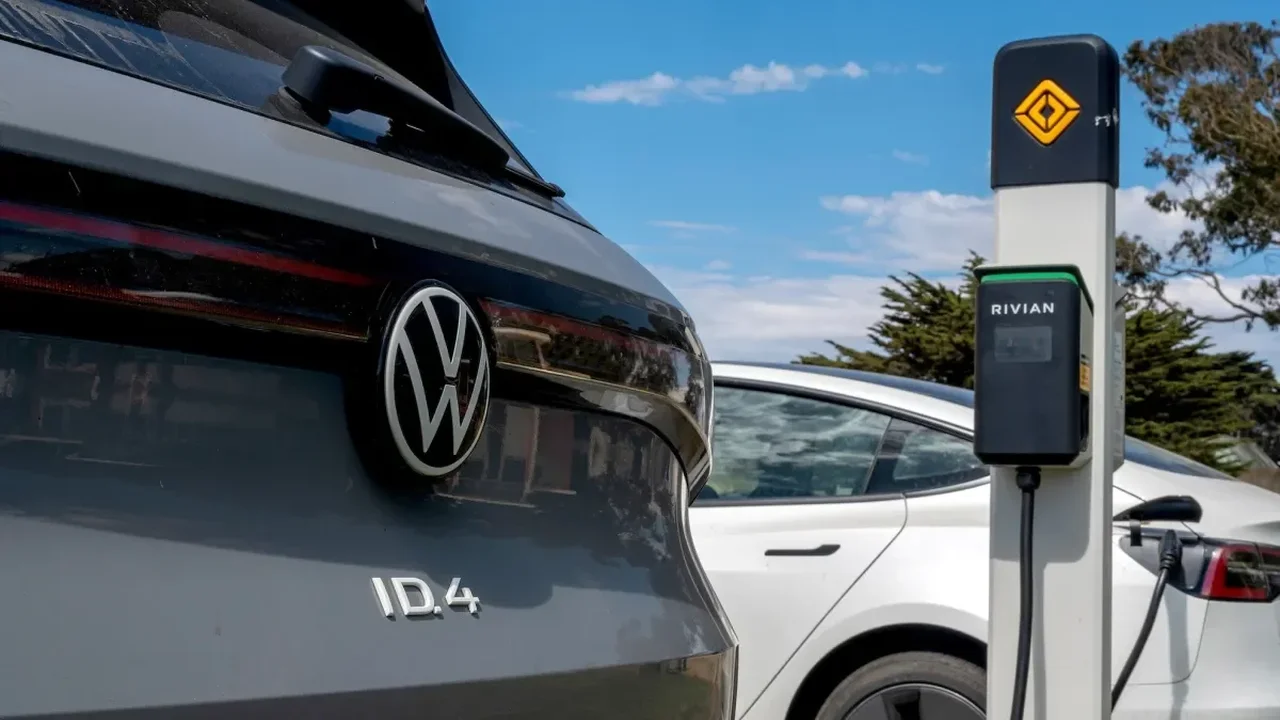
Using A Better Route Planner, the route included a stop at a Rivian charging site near Lebanon, New Hampshire. The station offered six 300-kilowatt chargers, no waiting time, nearby food options, and simple payment by credit card. The Audi e-tron charged at more than 140 kilowatts, close to its peak capability.
A second stop near Montreal at a Circuit Électrique station required a quick app setup when the card reader failed, but the session still completed without major delay. Across the trip, each charging stop lasted about 20 minutes and was paired with meals or rest breaks, making the process feel integrated rather than disruptive.
From frustration to reliability
The contrast with a similar road trip three years earlier was striking. Back then, broken chargers, app issues, and repeated customer service calls made fast charging feel unpredictable. Today, the landscape looks very different.
According to the Joint Office of Energy and Transportation, the U.S. had about 32,000 DC fast chargers in July 2023. Since then, the network has more than doubled, helped by expansion from Tesla and other charging providers. Reliability has also improved sharply, with Paren reporting a rise from 85 to the mid-90s in its latest U.S. fast-charging index.
The message is clear: EV charging is becoming faster, more dependable, and easier to plan around. As infrastructure continues to expand, long-distance electric travel may soon feel as routine as any other modern road trip.