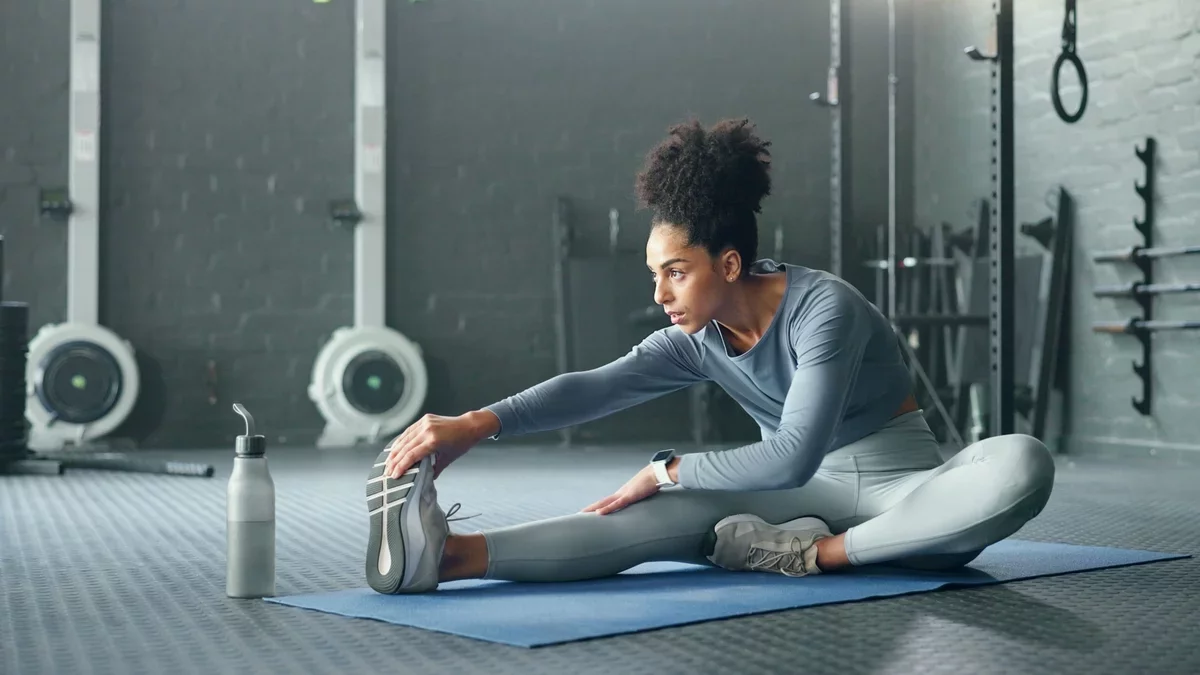
Flexibility plays a crucial role in overall fitness, yet its importance is often overlooked. As we age, maintaining mobility becomes increasingly vital--how many older adults can effortlessly reach overhead? Whether for daily activities or athletic performance, stretching is essential, even if it feels monotonous and progress seems slow. Thankfully, recent research provides valuable insights into effective stretching practices.
The study focuses on static stretching, the traditional method where positions are held, excluding dynamic stretching techniques. This research highlights both immediate and long-term benefits of stretching.
Immediate Improvement: Stretch for 4 Minutes
Stretching yields both short-term and long-term advantages. While many perceive flexibility as a gradual journey, significant temporary improvements can occur right after a stretching session. For instance, after a three-minute toe-touching exercise, one might find themselves able to reach the ground effortlessly. This immediate effect is especially beneficial for dancers or athletes who require enhanced flexibility before performances or workouts.
The study indicates that dedicating a total of four minutes to stretching a specific muscle maximizes short-term benefits. This time can be divided into multiple sessions--such as four sets of 30 seconds or eight sets of 30 seconds. While stretching for less than four minutes still offers benefits, this duration is optimal for achieving noticeable results.
Long-Term Improvement: Stretch for 10 Minutes Per Week
For those aiming to enhance flexibility over time, the target is ten minutes per muscle each week. This can be achieved through consistent routines that incorporate various stretches. For instance, performing two minutes of stretching for each muscle group across five days will meet the weekly goal.
If your warm-up routine already accumulates three to four minutes of stretching per muscle, those sessions contribute to the weekly total, potentially eliminating the need for additional stretching sessions. Focus on a few key muscles and choose favorite stretches to create a daily habit that encourages flexibility.
Does Stretching Need to Hurt?
A common misconception is that stretching must be painful to be effective. However, the study reveals that both gentle and intense stretching yield comparable results. Flexibility experts recommend a gentle approach, allowing for longer and more frequent stretching sessions, ultimately leading to greater progress.
Incorporating these scientifically-supported techniques into your routine can not only enhance flexibility but also contribute to overall physical well-being. As we embrace the importance of flexibility in fitness, the future may see a shift towards more holistic approaches to health and mobility.