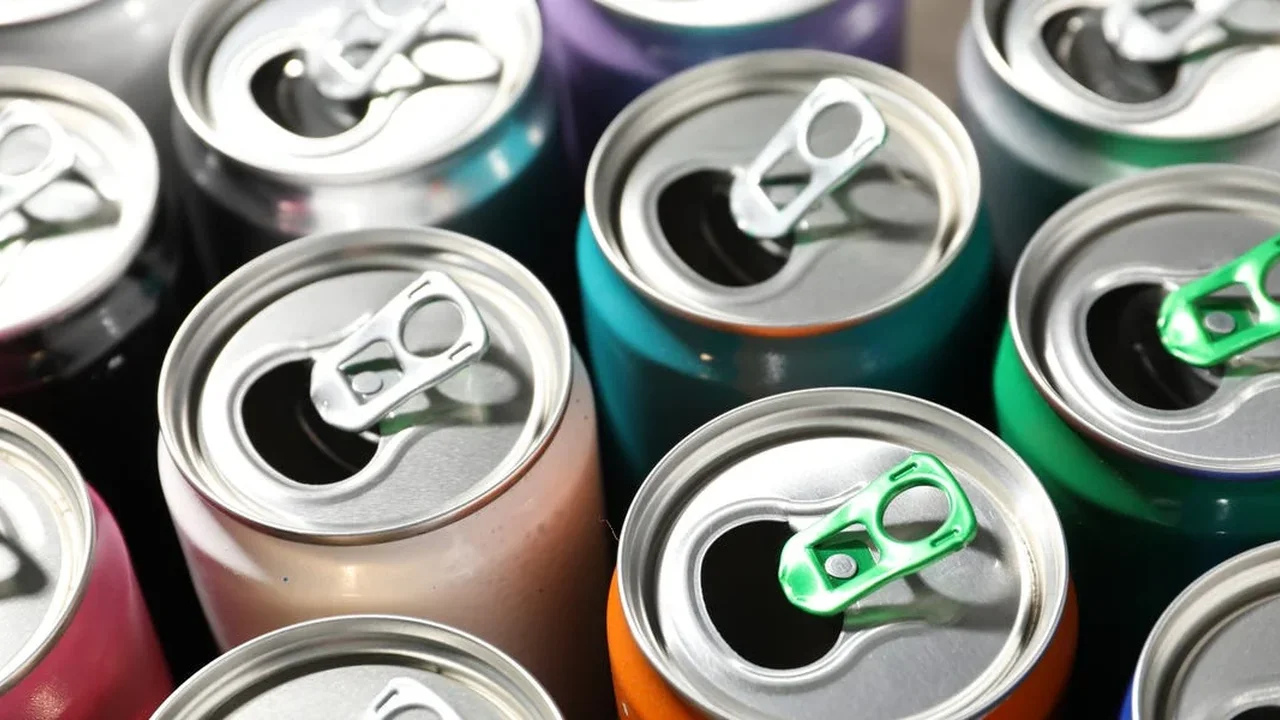
Energy drinks are entering a new growth phase, with brands such as Celsius, GHOST and Alani Nu expanding a market long led by Red Bull and Monster. Many products now position themselves as fitness-friendly alternatives to coffee, highlighting caffeine, vitamins and low-calorie formulas.
Muscle growth claims need context
A study published in Scientific Reports found that certain energy drinks affected muscle-cell differentiation markers in mouse cells under laboratory conditions. However, this does not establish that drinking these products reduces muscle growth in people. Human performance and recovery remain strongly connected to sleep, protein intake and balanced nutrition.
In moderate amounts, caffeine may support training focus and endurance. Still, it is best viewed as a performance tool rather than a replacement for rest or everyday nutrition.
Sweeteners and caffeine: dosage matters
Claims around Acesulfame-K, a low-calorie sweetener used in some drinks, are often more definitive than the available evidence. The European Food Safety Authority reaffirmed an acceptable daily intake of 15 milligrams per kilogram of body weight in 2025, concluding that typical intake levels are unlikely to cause cancer.
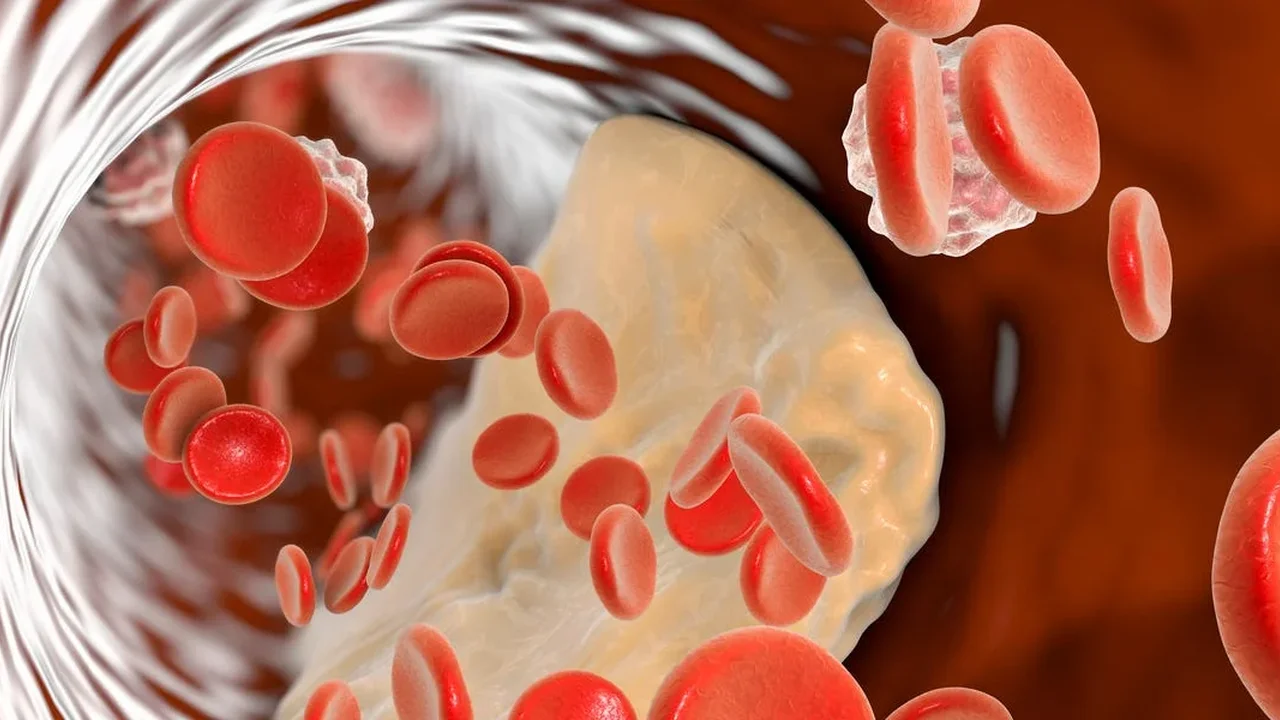
Caffeine deserves closer label reading. The American Heart Association notes that evidence around high caffeine doses, including those found in some energy drinks, remains limited and suggests potential cardiovascular concerns. Many cans contain 200 milligrams or more, so several servings can quickly exceed the commonly cited 400-milligram daily limit for healthy adults.
B vitamins are not instant fuel
Ingredients such as niacin, also known as vitamin B3, support normal energy metabolism. Yet a large serving of B vitamins does not create immediate energy; the body uses these nutrients through ongoing metabolic processes. As with caffeine, concentrated intake is not automatically more effective.
The practical approach is simple: compare caffeine content, consider all caffeine consumed during the day, and choose products that fit individual dietary needs. People with existing health conditions can seek personalised guidance from a qualified healthcare professional.
As functional beverages become more sophisticated, clearer labeling and science-led consumer choices could help turn energy drinks into more transparent tools for active lifestyles.