The charm of dogs with shortened, flat faces has captivated many pet lovers. However, the unique anatomy that contributes to their adorable appearance can lead to significant breathing challenges.
This condition, known as Brachycephalic Obstructive Airway Syndrome (BOAS), occurs when the compressed structures of the skull obstruct the upper airway, resulting in noisy breathing and decreased exercise capacity.
A recent study published in a peer-reviewed journal highlighted that airway issues are prevalent among various brachycephalic breeds, not just the commonly recognized Pugs and French Bulldogs. Some lesser-known breeds exhibited similar rates of BOAS, raising concerns about the health implications for these dogs.
Wider Breed Impact
Conducted by a team from Cambridge University, the study involved 898 dogs over the age of one, examined between September 2021 and April 2024. The research included assessments at veterinary hospitals, dog shows, and health-testing events.
Each dog underwent a standardized breathing evaluation, which included a three-minute exercise test. The researchers graded the dogs' breathing and signs of distress on a scale, identifying clinically significant cases based on the severity of symptoms.
Notably, Pekingese and Japanese Chin breeds showed alarming rates of airway problems, with only 10.9% of Pekingese and 17.4% of Japanese Chin exhibiting no signs of BOAS. This aligns them with the breeds traditionally associated with the condition.
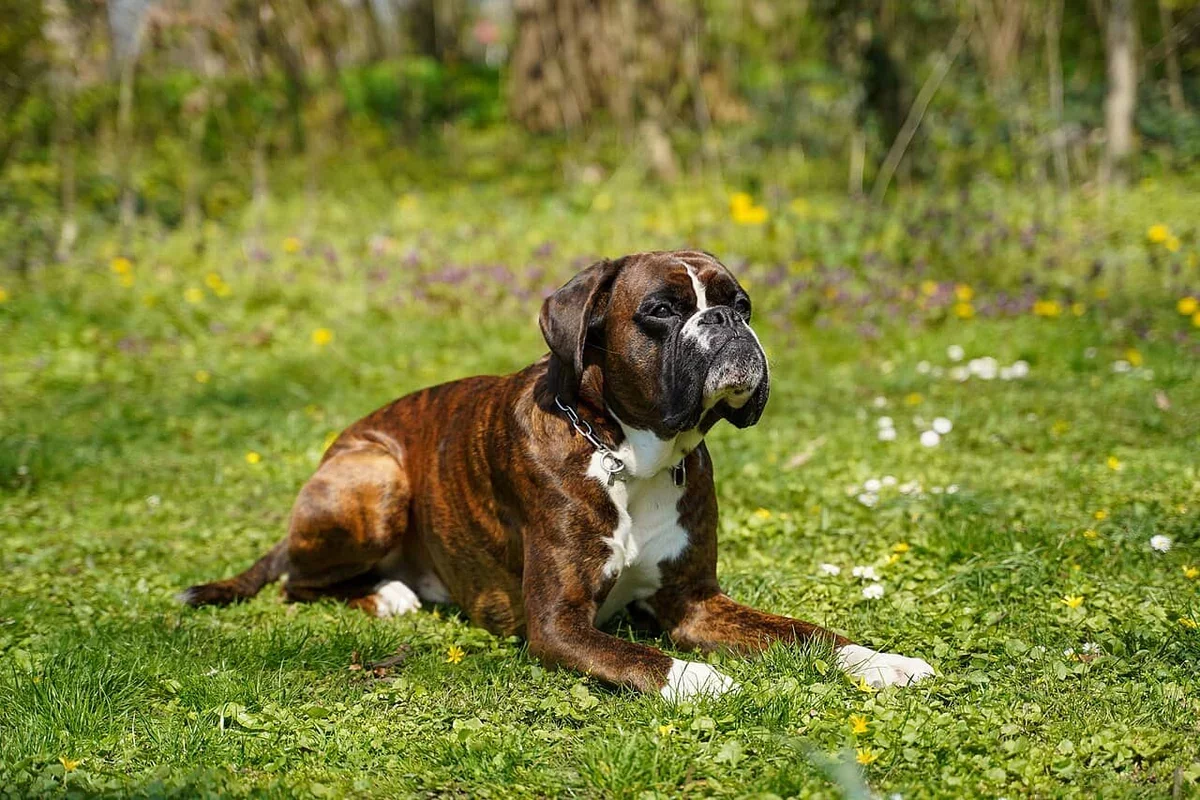
In contrast, breeds such as Staffordshire Bull Terriers and Boxers displayed a lower incidence of BOAS, with most dogs showing no symptoms. Interestingly, the King Charles Spaniel, despite its flat face, had a surprising 40% unaffected rate.
Understanding the Underlying Issues
The study identified several risk factors contributing to BOAS, including overweight conditions, narrowed nostrils, and extreme facial flattening. However, these physical traits accounted for only about 20% of the risk variance among different breeds.
Further insights revealed that specific breeds had unique risk factors. For instance, Shih Tzus with shorter tails and Boston Terriers with thicker necks were more susceptible to breathing issues. This suggests that not all flat-faced breeds are equally affected by BOAS.
Veterinary experts emphasize the importance of an individualized approach to treatment, which may include surgical interventions, weight management, and enhanced awareness among breeders. Prevention through responsible breeding practices is vital to mitigate the risks associated with BOAS.
Dr. Fran Tomlinson notes that BOAS exists on a spectrum, with more severe cases significantly impacting the quality of life for affected dogs.