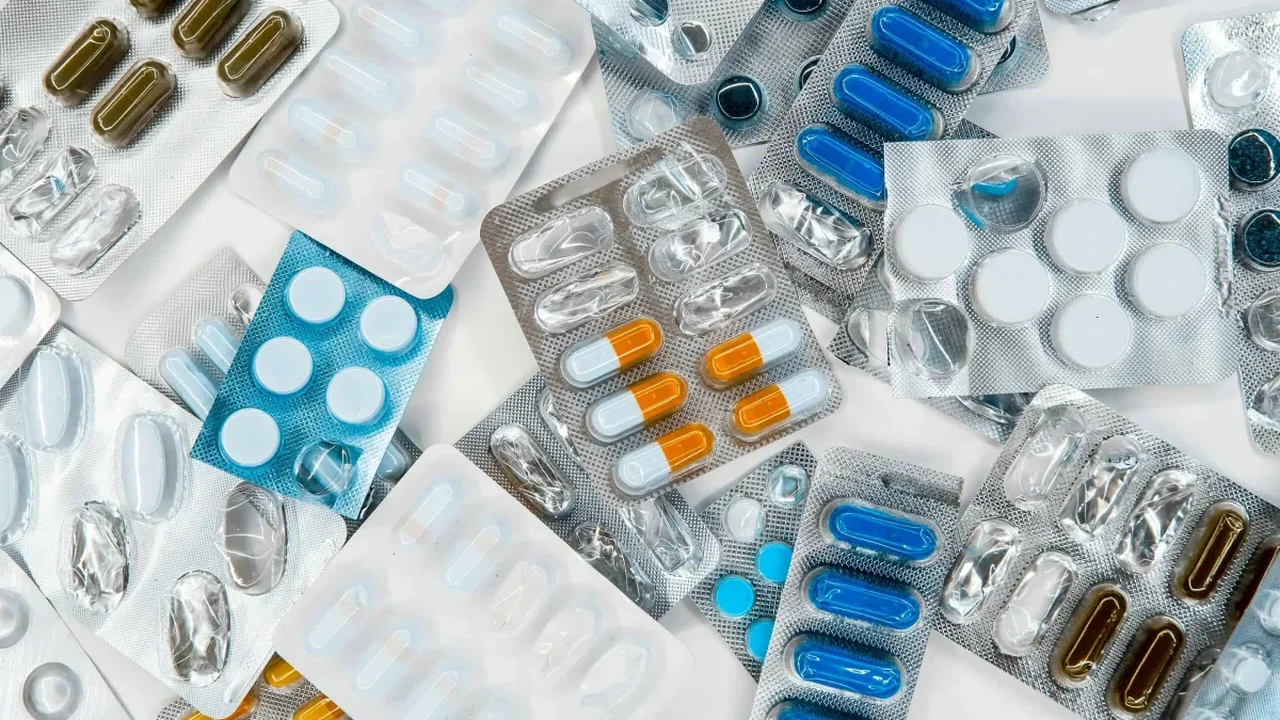
GLP-1 medications can reduce appetite and food intake, which may make it harder to get enough nutrients. But taking one does not automatically mean you need a vitamin B12 supplement: the main concern is that eating less or a less varied diet can reduce B12 intake.
Why vitamin B12 matters
The body needs vitamin B12 to make red blood cells and DNA and to support the nervous system. The NIH Office of Dietary Supplements lists 2.4 micrograms per day as the recommended intake for most adults. Low levels can cause symptoms such as fatigue, weakness, tingling or numbness, and problems with balance or memory.
Food first, supplements when appropriate
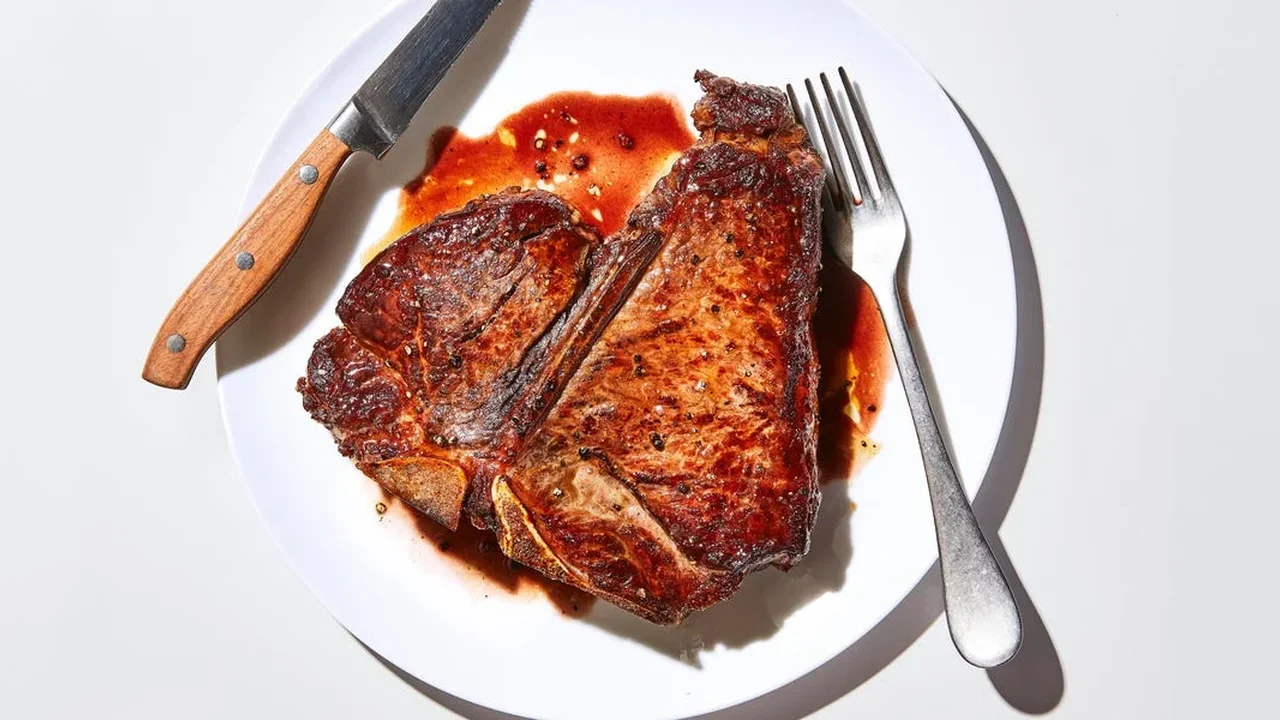
GLP-1 medications are not known to directly block B12 absorption. However, reduced appetite, a narrower range of foods, digestive side effects and rapid weight loss may make it harder to get enough. B12 is found mainly in animal-based foods, including fish, meat, eggs and dairy. Some fortified cereals and plant-based milks can also provide it.
A supplement may be worth discussing with a clinician if food intake is limited or if someone follows a vegan or plant-based diet. Age and some digestive conditions can also affect absorption. There is no universal recommendation for every person taking a GLP-1, and the appropriate dose depends on individual needs.
When to seek advice
Because possible deficiency symptoms can develop gradually and overlap with other concerns, discuss persistent changes with the clinician who prescribed the medication. They may suggest a blood test and, if needed, dietary changes or supplementation. Injections may be considered for some people with absorption difficulties or more significant deficiency.
Personalized nutrition guidance can help people pursue weight-management goals while protecting essential nutrient intake.