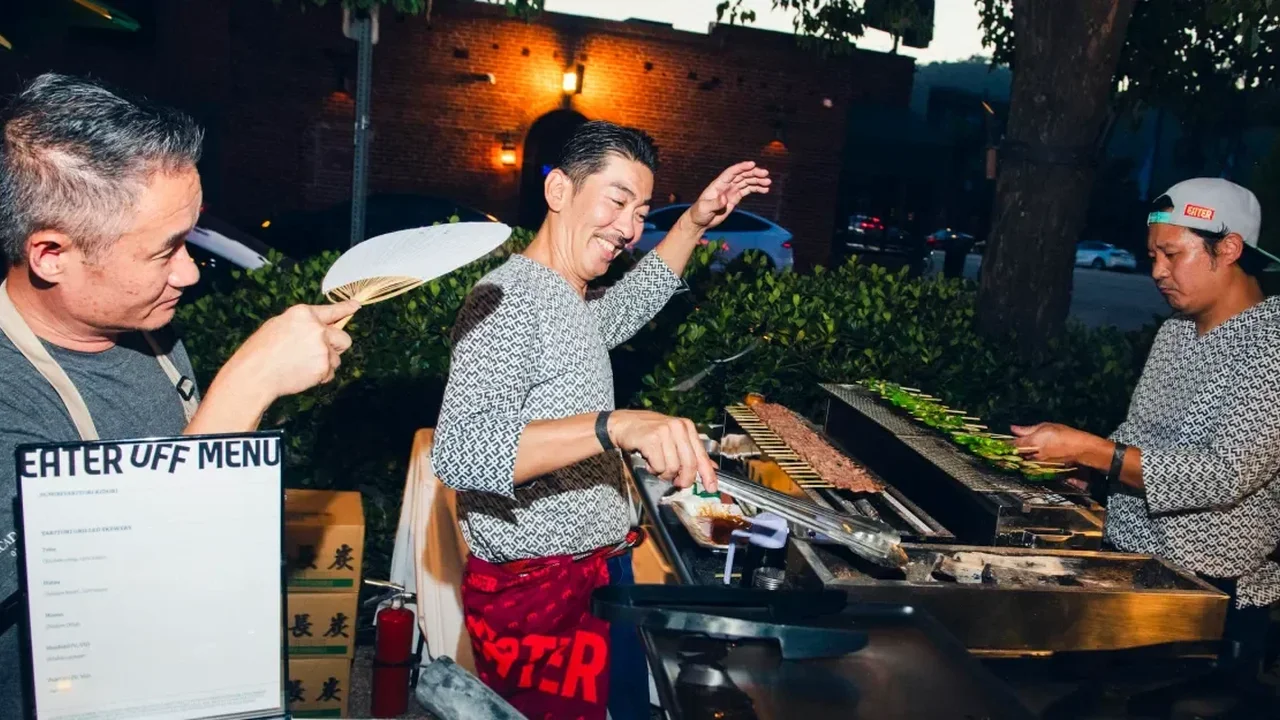
For chef Gregory Gourdet, food has long been both a profession and a passion: a reason to travel, explore new cuisines and savor elaborate meals. After taking tirzepatide, a GLP-1 medication, he says his appetite and eating habits changed--but his enjoyment of food did not disappear.
Gourdet describes feeling less drawn to eating out of habit, stress or simple availability. Instead, he focuses on meals that deliver strong flavor and satisfaction in each bite, pairing ingredients such as protein, vegetables, grains, spice and citrus. He says this shift has helped him appreciate food more intentionally.
From bigger portions to richer experiences
The chef sees the change as part of a broader evolution in food culture. Fresh, customizable and nutrient-conscious meals were gaining popularity before GLP-1 medications became more widely discussed, and he believes the trend may now accelerate. For restaurants and food businesses, that could mean greater interest in dishes that are satisfying without relying on oversized portions.
Gourdet's perspective is not that indulgence should disappear. He still values memorable meals, culinary discovery and food as a source of pleasure and cultural connection. The distinction, he says, is between eating because food is present and choosing a meal that feels genuinely rewarding.
As more people reconsider their appetites and priorities, food culture may place increasing emphasis on flavor, balance and meaningful experiences--not simply quantity. That shift could inspire menus designed to make every bite count.