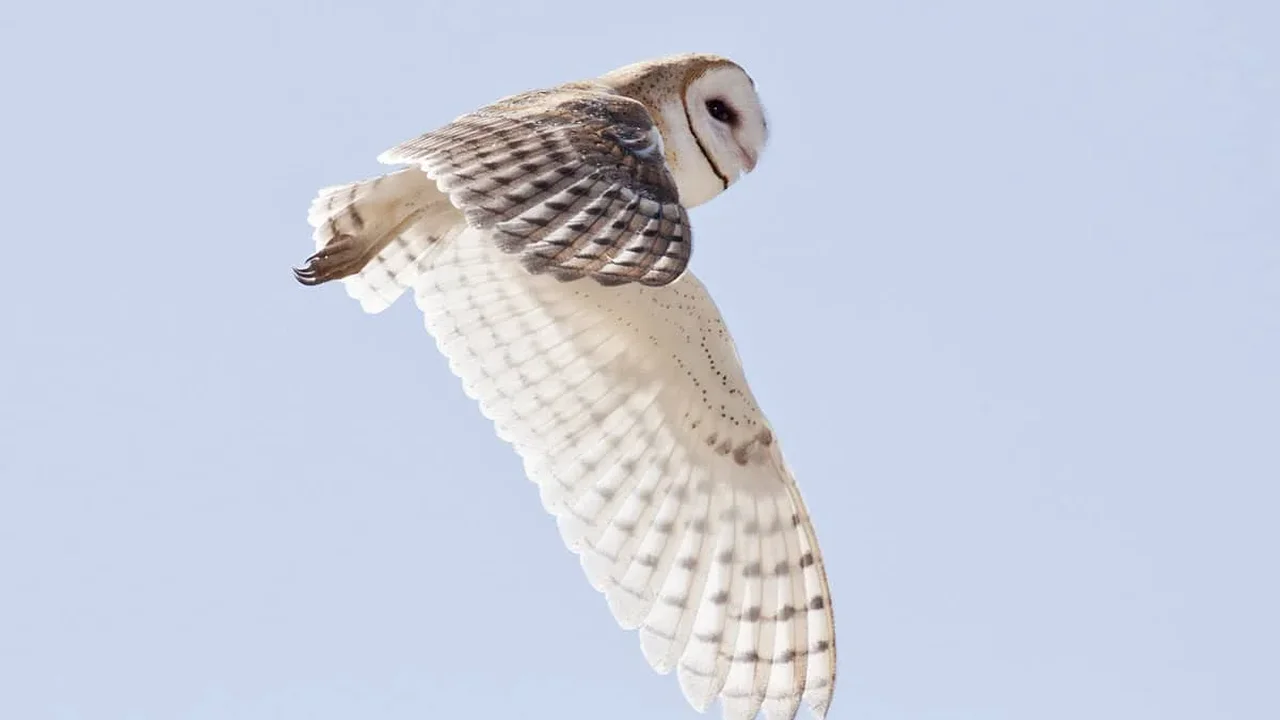
How barn owls reached the Americas has long puzzled scientists. A genetic study suggests their ancestors may have crossed the Atlantic and first established themselves in the Caribbean, rather than arriving through northern land routes.
Researchers compared nuclear and mitochondrial DNA from dozens of museum specimens held in 11 collections. Their analysis indicates that Eurasian and Western Hemisphere barn owls diverged around five million years ago, while the American lineage likely took shape in the Caribbean less than two million years ago.
Island pathways revealed in DNA
The Caribbean populations contain some of the oldest and most genetically distinct branches of American barn owls. From the islands, the birds appear to have spread across North and South America.
The study also points to two separate barn owl arrivals in the Galápagos: one from the Caribbean and another, later population from South America. The researchers say the distinct lineage that remains on some islands may merit recognition as a separate species, Tyto punctatissima.
The findings, published in Proceedings of the Royal Society B, also illuminate the region's past diversity, which included unusually large owl species. DNA preserved in museum collections is helping researchers reconstruct these long-distance movements and the evolutionary history of island wildlife.
As genetic analysis reveals more about how species moved between continents and islands, it could help identify distinct populations and guide future conservation priorities.