Recent research conducted by scientists from the University of Galway has unveiled a treasure trove of microbial life within coral reefs, revealing their potential for groundbreaking applications in medicine and biotechnology. This significant study was published in Nature.
The Hidden Microbial Diversity of Coral Reefs
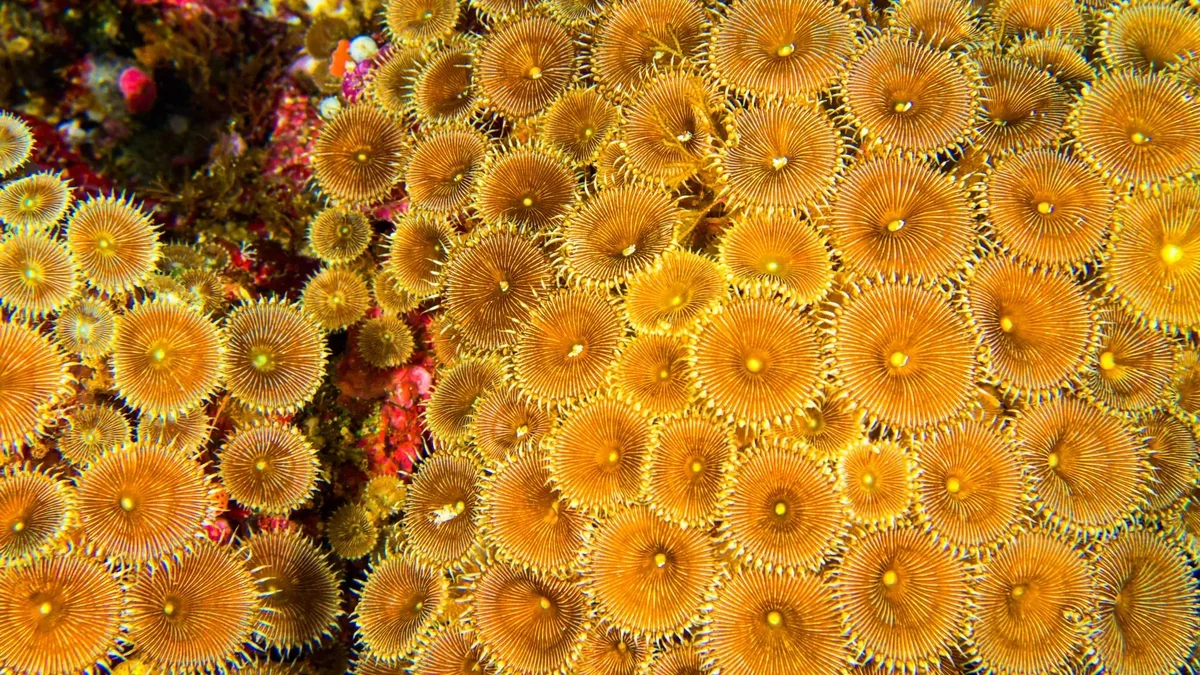
Coral reefs, often referred to as the rainforests of the ocean, are crucial ecosystems that support approximately one-third of all visible marine species. These vibrant habitats are essential for biodiversity and provide valuable services, including tourism and nutrient cycling within marine environments.
However, much of the true diversity within these ecosystems exists at the microscopic level. This hidden realm, known as the microbiome, plays a vital role in maintaining the health and functionality of coral reefs, even though it remains invisible to the naked eye.
Extensive Study of Coral Microbiomes
Supported by the Tara Pacific consortium, researchers analyzed microbiome samples from 99 coral reefs across 32 Pacific islands. Their efforts led to the reconstruction of genomes from 645 microbial species, with over 99% of these never having been genetically characterized before.
These specialized microbes form symbiotic relationships with coral hosts, many of which produce bioactive compounds--chemicals capable of influencing biological processes and holding significant medical or industrial promise.
The study also revealed that these coral-associated bacteria possess a broader array of biosynthetic gene clusters than any previously documented marine organisms, indicating their rich potential for innovation.
Addressing Knowledge Gaps in Microbial Diversity
Dr. Maggie Reddy from the Ryan Institute at the University of Galway highlighted the substantial gaps in our understanding of coral microbiomes. "Our comparisons with microbes from other reef species underscore the vast unknowns," she stated. Out of over 4,000 identified microbial species, only 10% have genetic information available, and less than 1% from the Tara Pacific samples have been studied, indicating a pressing need for further biodiversity surveys, particularly in underexplored regions.
The Importance of Coral Conservation
The researchers underscored a crucial aspect of conservation: the loss of coral reefs not only affects visible marine life but also results in the disappearance of a vast "molecular library" linked to the microbes inhabiting these ecosystems.
Further exploration of the newly identified enzymes and compounds suggests tremendous potential for advancements in biotechnology and medicine.
Innovative Enzymes and Their Biotechnological Promise
Professor Olivier Thomas of the Ryan Institute noted that the biosynthetic capabilities of coral microbiomes could rival or even surpass those of traditional natural product sources like sponges. Among these rich microbial communities, researchers discovered previously unidentified microorganisms, such as Acidobacteriota, which produce novel enzymes with exciting biotechnological applications.
"This research serves as a vital call to action to safeguard our coral reefs--not only for their ecological significance but also to preserve the unique chemical diversity that could lead to future scientific breakthroughs," he added.
Collaborative Efforts and Future Research
The study involved collaboration among researchers from the Marine Biodiversity Lab at the Ryan Institute, led by Dr. Maggie Reddy and Professor Olivier Thomas, alongside partners from ETH Zurich. This initiative is part of the Tara Pacific consortium, which aims to understand the impacts of climate change on oceanic ecosystems.
Looking ahead, Dr. Reddy and Professor Thomas will participate in the upcoming Tara Coral expedition in Papua New Guinea this June, supported by the Tara Foundation and other partners, to gather additional samples and investigate the resilience of certain reef-building corals to climate change.
Understanding the Coral Microbiome
The coral microbiome consists of bacteria, archaea, fungi, viruses, and algae that coexist on and within coral tissue, forming a complex system essential for coral vitality. The samples analyzed in this study were collected during the Tara Pacific expedition from 2016 to 2018, producing one of the most comprehensive maps of coral microbiomes across a region that harbors about 40% of the world's coral reefs.