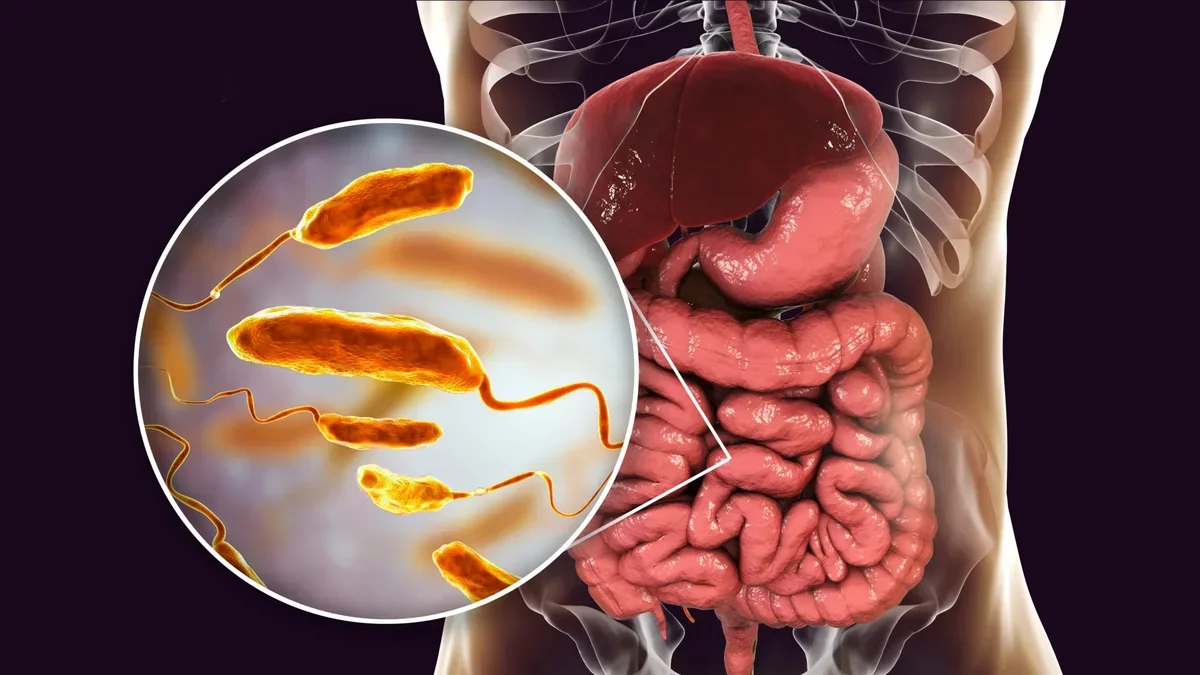
A recent study has revealed that diets rich in casein, the primary protein found in milk and cheese, along with wheat gluten, can drastically limit the colonization of cholera bacteria in the gut. Ansel Hsiao, an associate professor of microbiology and plant pathology at UCR and the study's senior author, expressed surprise at the magnitude of the results. "We observed up to 100-fold differences in cholera colonization solely based on diet," he noted, highlighting the potential of dietary interventions in managing infections.
Exploring Diet's Impact on Cholera
Previous research established that diet influences the microbial community in the gut. This study aimed to determine whether dietary changes could also affect harmful bacteria. Researchers conducted experiments on infected mice, providing them with various diets: high in protein, simple carbohydrates, and fats. The findings were compelling. While high-fat diets showed minimal impact and carbohydrate-rich diets offered limited benefits, those enriched with dairy proteins and wheat gluten nearly completely inhibited cholera bacteria from establishing in the gut.
"The high-protein diet demonstrated one of the strongest anti-cholera effects compared to a balanced diet, with casein and wheat gluten emerging as the most effective," Hsiao explained.
Mechanism of Action Against Cholera
Further analysis uncovered the mechanism behind the effectiveness of these proteins. They disrupt a syringe-like structure on cholera bacteria known as the type 6 secretion system (T6SS), which the bacteria use to inject toxins into host cells. By suppressing this system, cholera struggles to eliminate competing bacteria and fails to dominate the intestinal environment.
A Cost-Effective Alternative to Antibiotics
Cholera remains a significant public health issue in areas lacking clean water, particularly in parts of Asia and Sub-Saharan Africa. Traditional treatments focus on rehydration, while antibiotics can shorten the illness duration but do not remove residual toxins. Concerns about antibiotic overuse, which can lead to resistant bacteria, are also rising. "Dietary strategies do not induce antibiotic resistance like drugs do," Hsiao stated, suggesting that dietary approaches could offer a safer, more affordable means to reduce infection severity, particularly for vulnerable populations.
"Wheat gluten and casein are recognized as safe, presenting an easier regulatory pathway for public health protection," he added.
Implications for Human Health
While these findings are based on mouse studies, researchers are optimistic about similar outcomes in humans. Hsiao intends to investigate how these dietary modifications could influence the human gut microbiome and potentially provide defense against other infectious bacteria. "Some diets may prove more effective than others, but I suspect beneficial effects will extend to pathogens beyond cholera," he concluded. "Enhancing diets could significantly bolster disease resistance in populations."