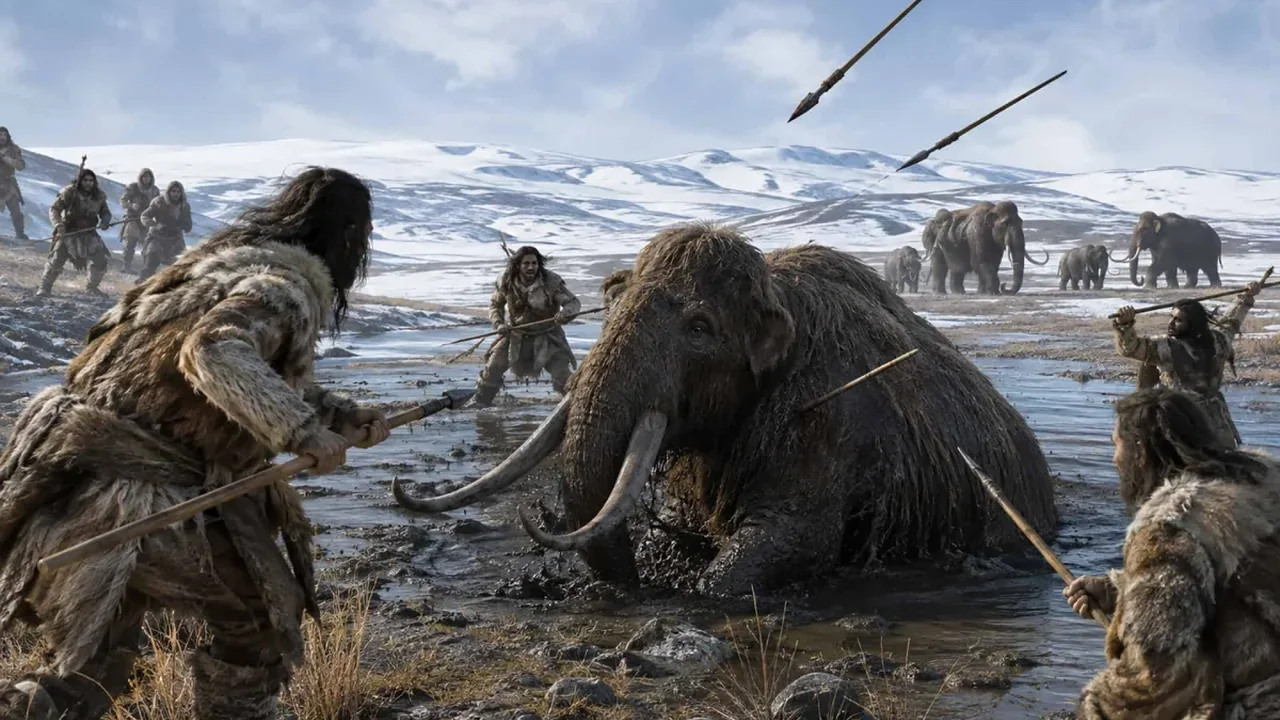
A groundbreaking study has shed light on why the Bergstrom site in central Montana, a notable bison hunting location, was intermittently used for around 700 years before its eventual abandonment. Despite the continued presence of bison in the area, researchers have traced the site's decline back to severe drought conditions that hampered water access, crucial for processing the hunted animals. This research was detailed in the journal Frontiers in Conservation Science.
Dr. John Wendt, the study's lead author and a paleoecologist at New Mexico State University, stated, "Our findings indicate that around 1,100 years ago, hunters stopped utilizing this site due to recurring droughts that diminished water resources at a nearby creek." This shift reflects broader environmental challenges and evolving social dynamics.
Unraveling the Mystery of Bergstrom
To explore the factors influencing hunting practices at the Bergstrom site, the research team employed a combination of archaeological excavation and environmental analysis techniques. Their comprehensive approach included sediment coring, laboratory assessments, climate reconstructions, and investigations into past flora and fauna.
"The Bergstrom site posed a mystery," Wendt explained. "It was intermittently occupied and abandoned during a time when bison were plentiful and hunting was vigorous. Why would hunters cease using a successful location?"
In the spring of 2019, the team excavated nine test pits, documenting artifacts and collecting charcoal samples for radiocarbon dating. They also analyzed sediment cores from the area for pollen and charcoal, alongside data on large herbivores and historical climate patterns to ascertain the reasons behind the site's abandonment.
The results dismissed multiple potential explanations for the site's closure. "The abandonment wasn't due to ecological unsuitability; bison were still present, vegetation remained stable, and fire activity hadn't shifted significantly," Wendt noted. "The cessation of hunting was not merely a reaction to prey availability."
Impact of Drought and Evolving Hunting Practices
Instead, the evidence pointed to recurrent severe droughts that affected the region both before and after the site was last used. These extended dry spells decreased water availability, making areas without reliable water sources less viable for large-scale hunting.
Simultaneously, hunting strategies were evolving. Smaller, opportunistic hunting groups were increasingly supplanted by larger, more organized teams that relied on established infrastructure and occupied specific locations for extended periods. "These larger groups, which focused on significant kills for trade and storage, became more reliant on essential resources like water and forage," Wendt explained.
As these larger hunting operations demanded more resources, finding suitable locations became increasingly challenging. Ideal sites required consistent access to water and other essentials, along with geographical features that could facilitate bison herding. Once established, such locations were often used repeatedly for generations.
Insights into Climate Adaptation
While larger hunting sites provided distinct advantages, they also heightened dependence on favorable environmental conditions. The difficulty in replacing these specialized locations made hunting groups more susceptible to resource scarcity.
The researchers argue that long-term success hinged on adaptability. Knowledge transfer across generations allowed hunting communities to adjust their strategies in response to environmental shifts. This adaptability proved crucial in navigating periods of climate instability.
The implications of these findings extend to contemporary bison management practices, suggesting that flexibility in animal management strategies could enhance resilience against changing environmental conditions.
While this study documents approximately 700 years of activity at Bergstrom, it also acknowledges that other abandoned bison hunting sites in the region may have different abandonment narratives. Ultimately, the research highlights the importance of adaptability in the face of environmental challenges, a lesson that resonates even today.