DENVER -- Water embodies a complex duality in the context of climate: it signifies both abundance and scarcity, serving as a vital resource while also evoking fear. Artist Deborah Jack challenges viewers to reconsider their perceptions of the ocean's serene appearance, critiquing the foundations of cartography, imperialism, and ecological resilience.
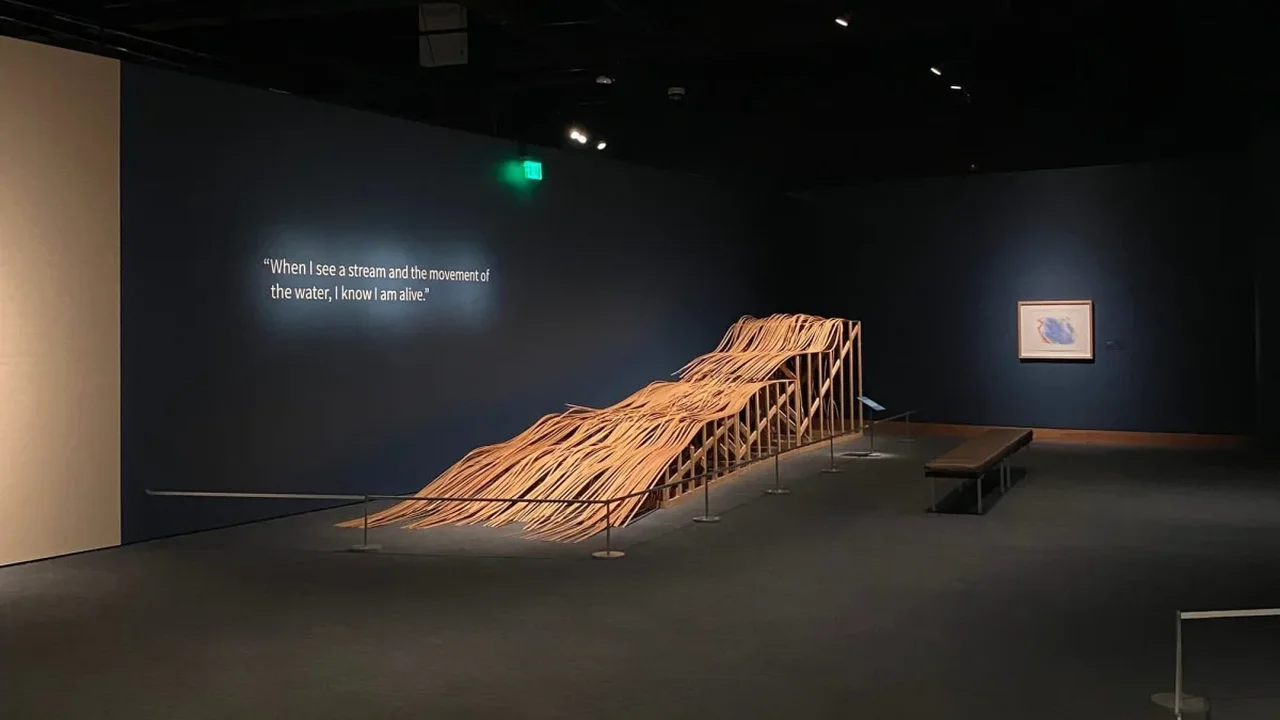
Her latest six-channel video installation, titled "a sea desalts, creeping in the collapse... in the expanse...a rhizome looks for reason... whispers an elegy instead" (2024), is part of her exhibition, the haunting of estuaries...an (after)math of confluence, currently showcased at the Museum of Contemporary Art in Denver. This work approaches water as both a climate crisis and an element of colonial history.
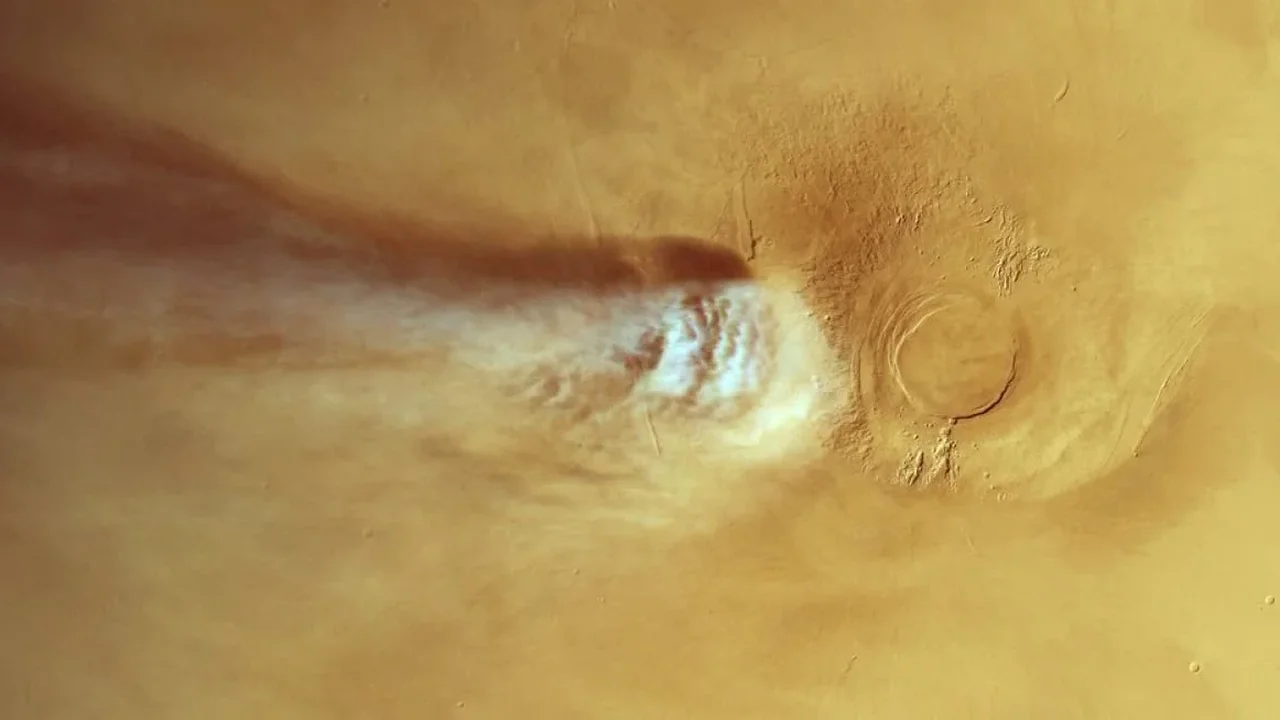
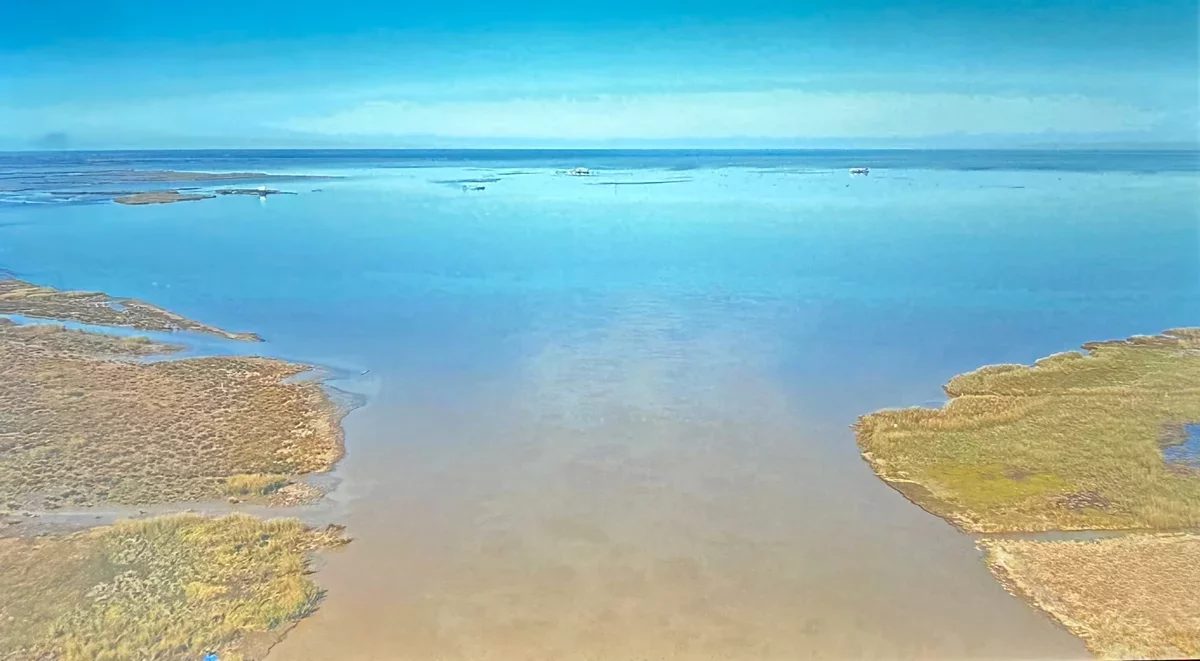
Estuaries, where freshwater meets saltwater, create unique ecotones that shift with environmental changes. Jack's installation features adjacent screens displaying scenes from coastal Maine, Brazil, St. Maarten, and Louisiana, encouraging viewers to engage with the visuals while navigating their complexities. The haunting musical composition by the Diaphanous Ensemble enhances the experience with its rich, layered sound.
The multi-channel format of the installation prompts viewers to selectively focus on certain areas, as absorbing all the details at once is unfeasible. Jack's work blends dynamic video with still black-and-white images, creating a striking contrast and inviting contemplation. The juxtaposition of chaotic and serene imagery across the screens further enhances the viewer's experience.
In a past interview, Jack reflected on the implications of salt in St. Maarten's history, emphasizing its dual role in both destruction and preservation. This inquiry resonates deeply, especially in a world where climate change threatens coastal regions and transforms the landscape.
As climate-related disasters become increasingly prevalent, art that addresses these issues serves as a crucial lens through which we can understand their impact. The National Science Foundation's recent actions to potentially dismantle critical research institutions raise concerns about our ability to predict and respond to these changes effectively.
Deborah Jack's exhibition, the haunting of estuaries...an (after)math of confluence, is on display at the Museum of Contemporary Art Denver until February 15, curated by Miranda Lash.