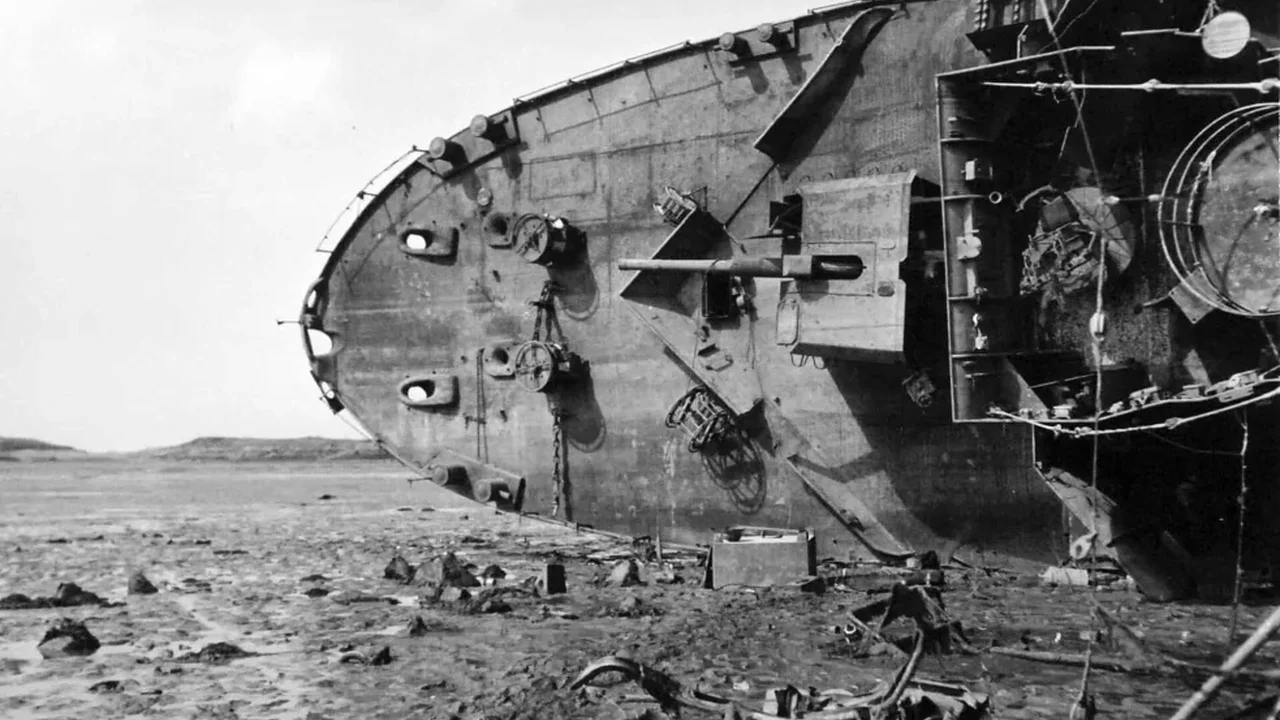
The Danube River is once again showing how closely nature and history can intersect. Near Prahovo in eastern Serbia, rusted German warships from World War II have reappeared as water levels fall to unusually low points.
These vessels were deliberately sunk in 1944, when German forces retreated and blocked parts of the river's shipping route. Decades later, the wrecks are resurfacing during repeated droughts and extended heat, which have pushed the Danube to record lows in Serbia and Croatia.
Low Water, High Impact
The Danube is Europe's second-longest river and a vital corridor for transport, energy, and ecosystems across the region. When the river shrinks, sandbanks appear, boats lose access to normal channels, and cargo movement becomes more difficult.
Authorities in Serbia began clearing the most hazardous wrecks in 2024 with support from the European Union and the European Investment Bank. The first phase focuses on 21 vessels located in or near the navigable channel. The work is complex, as divers and explosives experts must inspect each wreck carefully before removal.
Beyond the historic remains, the drought is also exposing how vulnerable river systems have become. In some areas, fuel shipments have been reduced, and hydropower output has been affected as barges can carry less cargo through shallow water.
Similar low-water conditions have revealed other buried objects along the river, reinforcing the Danube's role as a living archive shaped by climate and time. As river management, energy planning, and heritage recovery evolve together, the future of the Danube may become a model for resilient waterway adaptation.