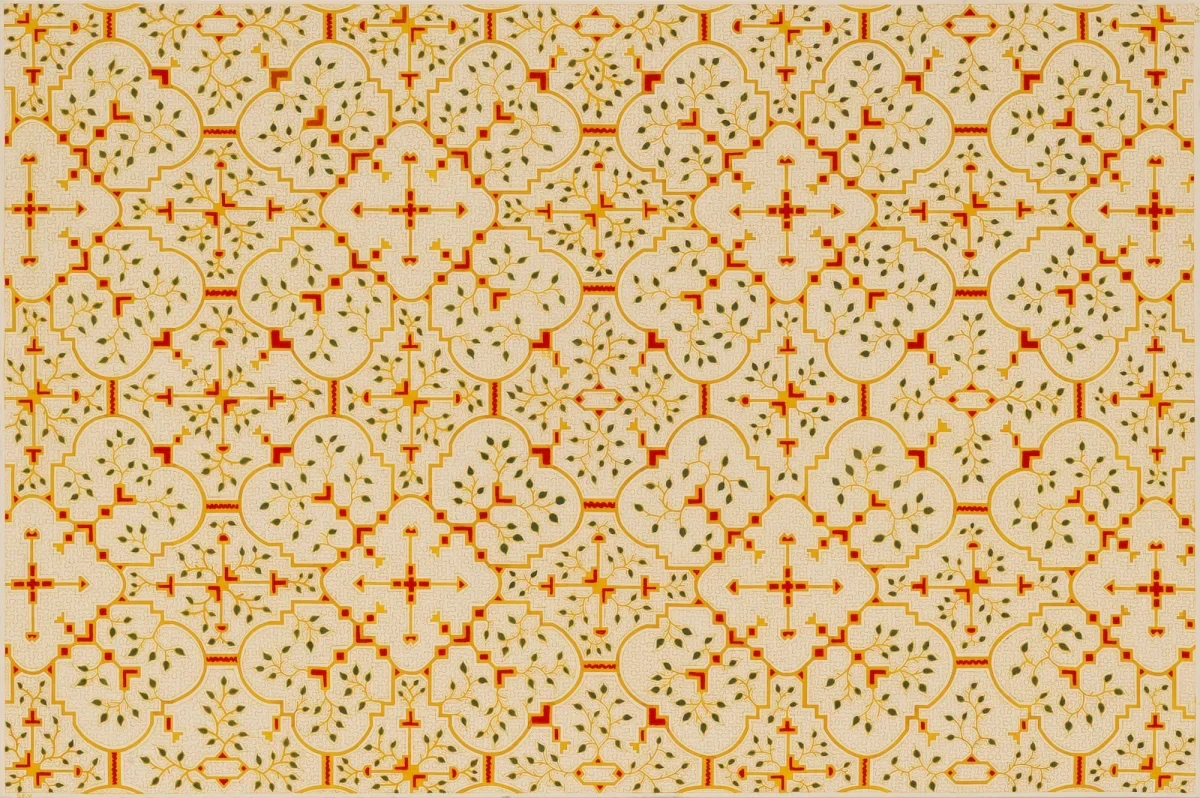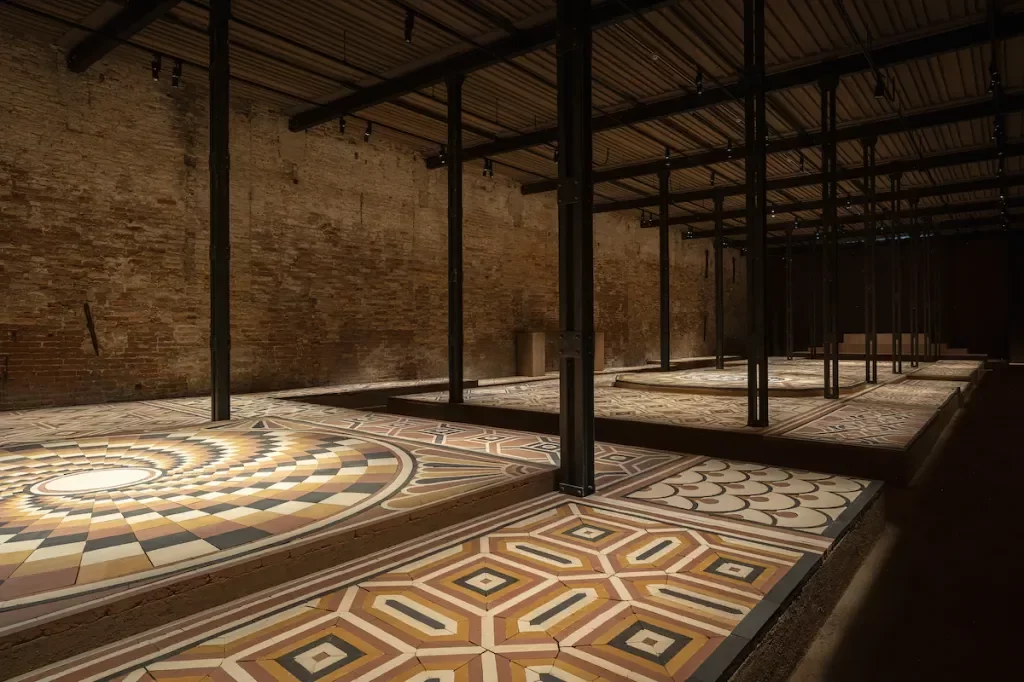
Upon entering the Saudi Arabia Pavilion at the Venice Biennale, visitors are immediately captivated by an impressive arrangement of thousands of clay bricks. These bricks, meticulously crafted to echo traditional mosaics, create a stunning visual experience that invites exploration.
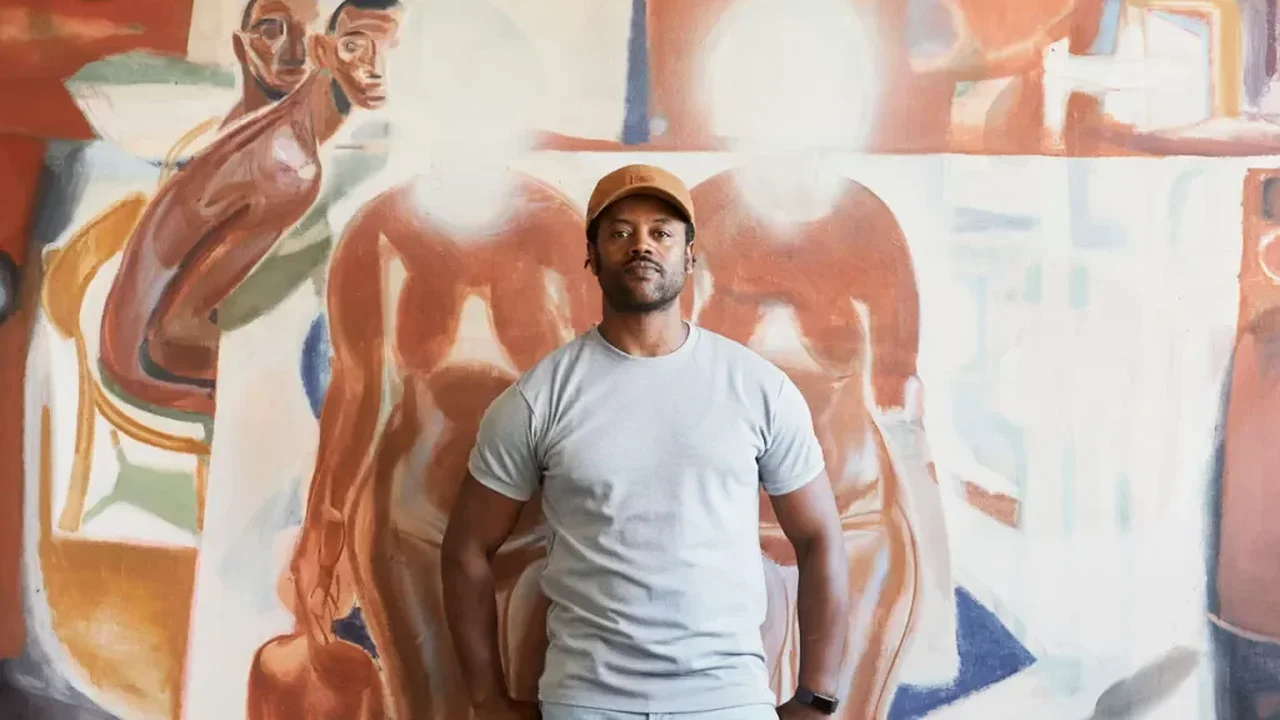
Artist Dana Awartani, who is based in Jeddah and New York and has a rich cultural background, is the visionary behind this remarkable installation. While she is credited as the lead artist, Awartani emphasizes the collaborative effort of skilled craftsmen who contributed to bringing this project to life, all acknowledged in the pavilion's text.
Awartani's artistic journey is deeply rooted in craft. She combines formal training from the prestigious Central St. Martins in London with a unique course in Islamic geometry at the Prince's School of Traditional Arts, followed by certification in illumination techniques in Turkey. Her approach to craft is forward-thinking; she believes it can evolve and remain relevant in contemporary art.
The pavilion's title, "May your tears never dry, you who weep over stones," carries profound significance. The motifs represented are derived from over 20 cultural heritage sites across the Arab world, many of which have suffered destruction due to conflict. Awartani's work resonates especially in light of recent events affecting cultural sites in Iran, making her project both timely and poignant.
Awartani's exploration of cultural destruction began in 2018, leading her to discover traditional ceramic techniques in Morocco. Through her interactions with Sufi craftsmen, she was inspired to incorporate clay earth bricks into her art, a material that connects her to her heritage and the region's historical practices.
Her installation at the Biennale is not merely an aesthetic endeavor; it is a commentary on the broader implications of cultural loss. By focusing on mosaic art, she highlights the shared history of these art forms across various cultures, including influences from Italy and the Byzantine Empire.
Creating this ambitious project involved significant logistical challenges, especially in light of the ongoing geopolitical tensions affecting shipping routes. Despite these hurdles, Awartani and her team managed to install the pavilion in just two weeks, working tirelessly to ensure every detail was executed flawlessly.
Visitors to the pavilion are encouraged to engage with the installation on a personal level, walking among the mosaics rather than merely observing from a distance. Awartani hopes this immersive experience will foster a deeper appreciation for the rich cultural heritage of the Arab world and the importance of its preservation.
As we reflect on this monumental project, it reminds us of the resilience of culture and the vital role art plays in preserving our shared history. Awartani's work not only celebrates the past but also inspires future generations to cherish and protect cultural identities.