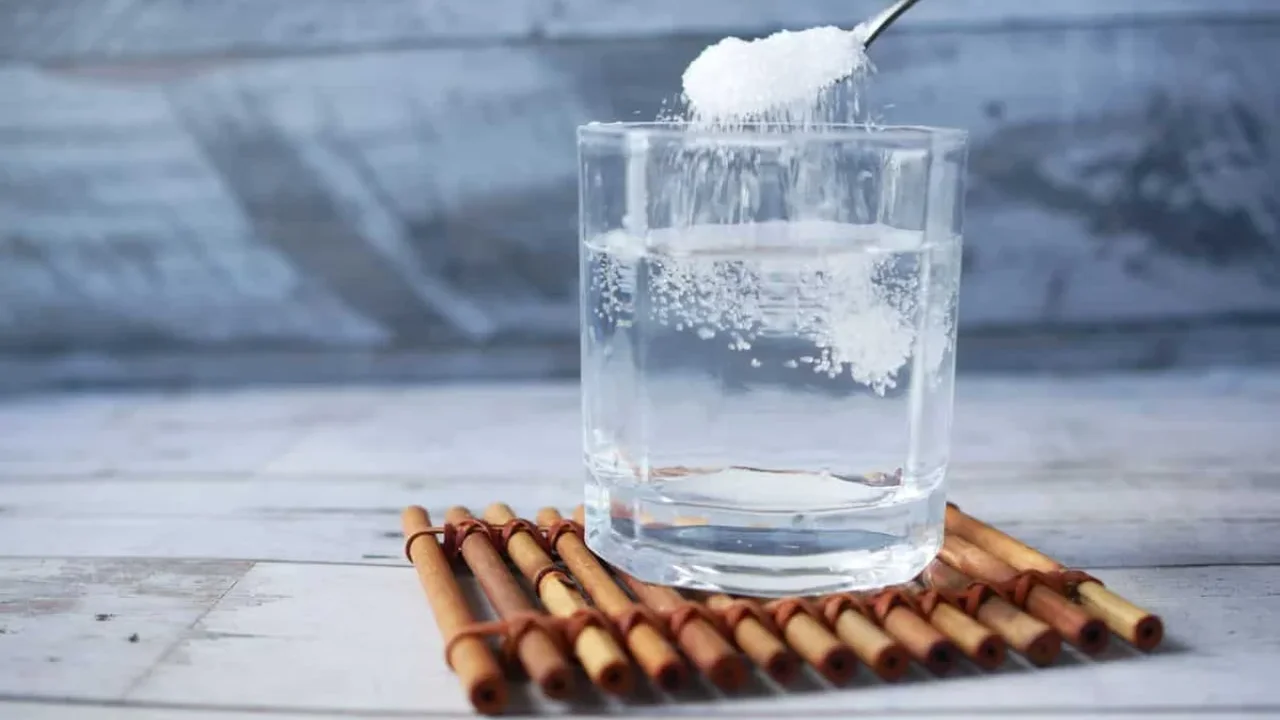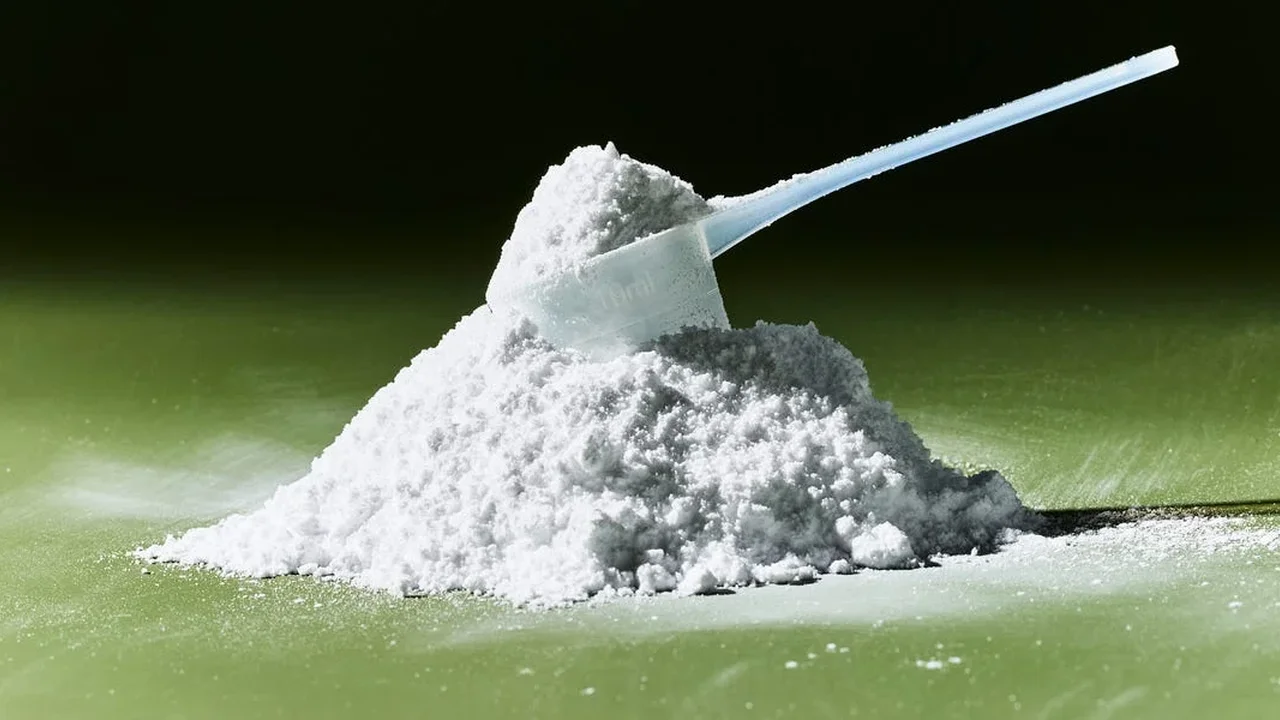
Creatine hydrochloride (HCl) is gaining attention as an alternative to creatine monohydrate, the form most commonly used in sports supplements. Its main practical difference is that it dissolves more readily in water.
Solubility does not guarantee better results
Claims that creatine HCl builds muscle faster or works better in smaller doses have not been convincingly established. An eight-week comparison involving 40 participants found that both forms supported the effects of resistance training, but creatine HCl offered no clear advantage over monohydrate.
Creatine HCl also does not have a unique advantage when it comes to a loading phase: creatine monohydrate can be taken without one as well. Some people may prefer HCl's mixability, but there is not strong evidence that it consistently causes fewer digestive issues.
What to consider
For now, the evidence does not show that creatine HCl produces superior muscle or performance outcomes. Its easier mixing may be useful to some consumers, while the higher price may not be justified by proven extra benefits.
As research continues, clearer comparisons could help people choose supplements based on demonstrated results rather than marketing claims.