Creatine is widely known as a fitness supplement, but new research continues to explore its potential role beyond the gym. Scientists are examining whether it may also support memory, attention, and mental performance in certain situations.
What creatine does
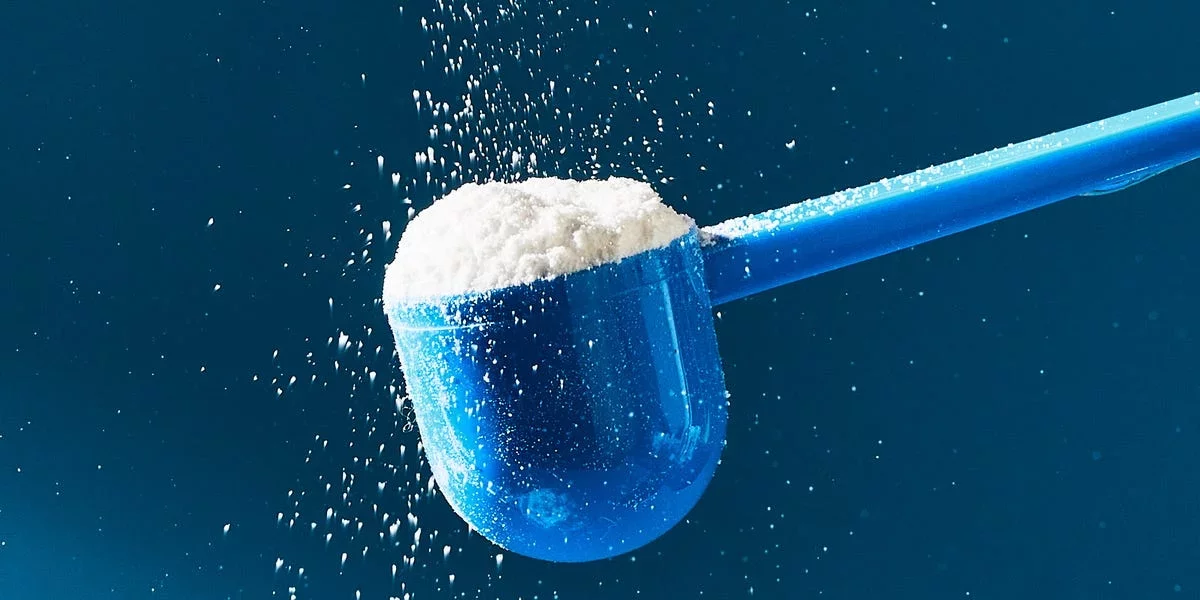
Creatine is a naturally occurring compound that helps cells produce energy. The body makes some of it on its own, and more comes from foods such as meat. Supplement forms, usually powder or capsules, are commonly used to increase the body's creatine stores.
In muscle tissue, creatine is valued for helping with short bursts of effort and repeated training. That same energy-supporting mechanism is why researchers are now looking at whether it could also benefit the brain, where energy demand is constant and high.
What the studies suggest
Recent reviews have found mixed but promising results. A 2024 analysis of 16 studies reported possible improvements in memory, attention, and processing speed, although the certainty of the evidence remains limited. A 2025 review also noted that creatine does raise brain creatine levels, even if the full cognitive impact is still being mapped.
The potential benefit may depend on the person. People with lower baseline creatine intake, such as vegetarians, may respond differently than omnivores. Older adults and people under stress may also see more noticeable effects. One 2024 study suggested that a very large single dose could help cognitive performance after sleep loss, though that approach is far above a standard daily serving.
How it is usually taken
For everyday use, creatine monohydrate remains the most studied and accessible option. A common daily amount is 5 grams, while some people exploring cognitive use choose around 10 grams per day, often split into two doses. A loading phase is optional and not required for long-term results.
Creatine is generally considered well tolerated, though larger amounts can cause stomach discomfort in some people. At normal doses, it remains one of the most established supplements in sports nutrition.
As research advances, creatine may become a more precise tool for both physical performance and cognitive support in the future.