In a significant move, China has initiated a nationwide audit of its state-run museums following revelations of missing national treasures that found their way into the private market. This directive was issued by the National Cultural Heritage Administration, mandating each state-owned museum to conduct a meticulous inventory of its collections, cross-referencing items with official records to ensure their existence.
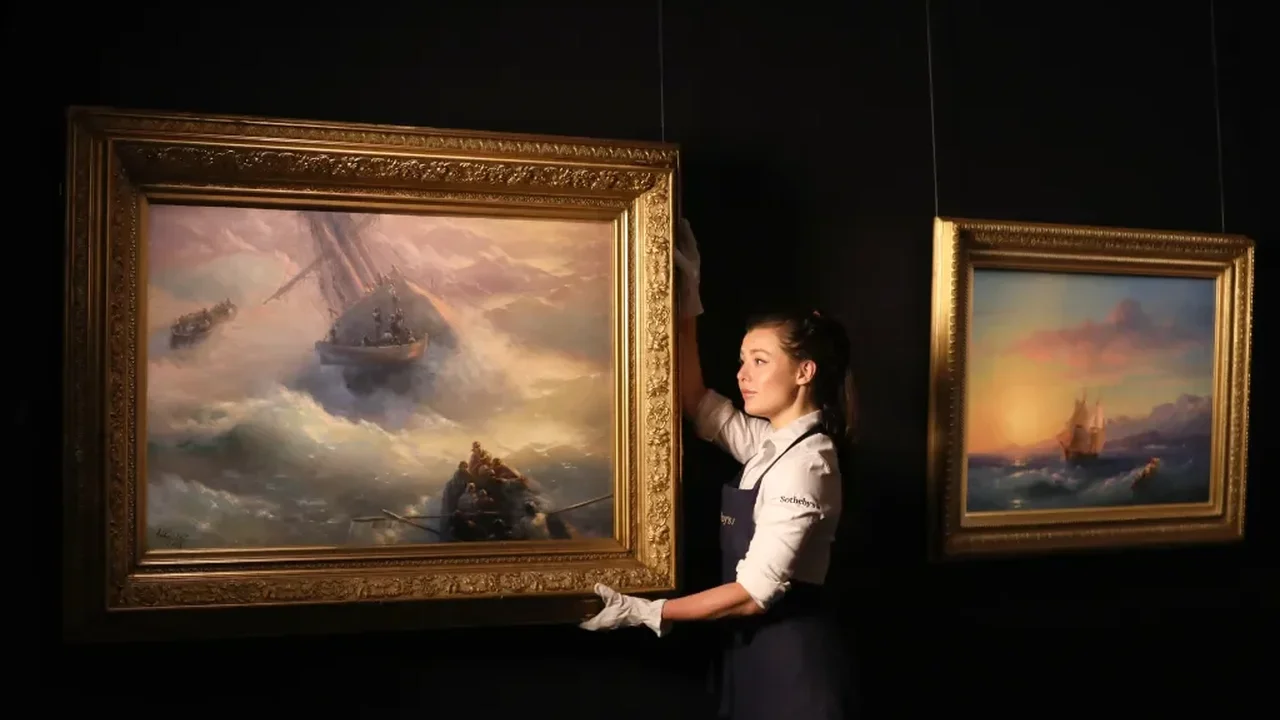
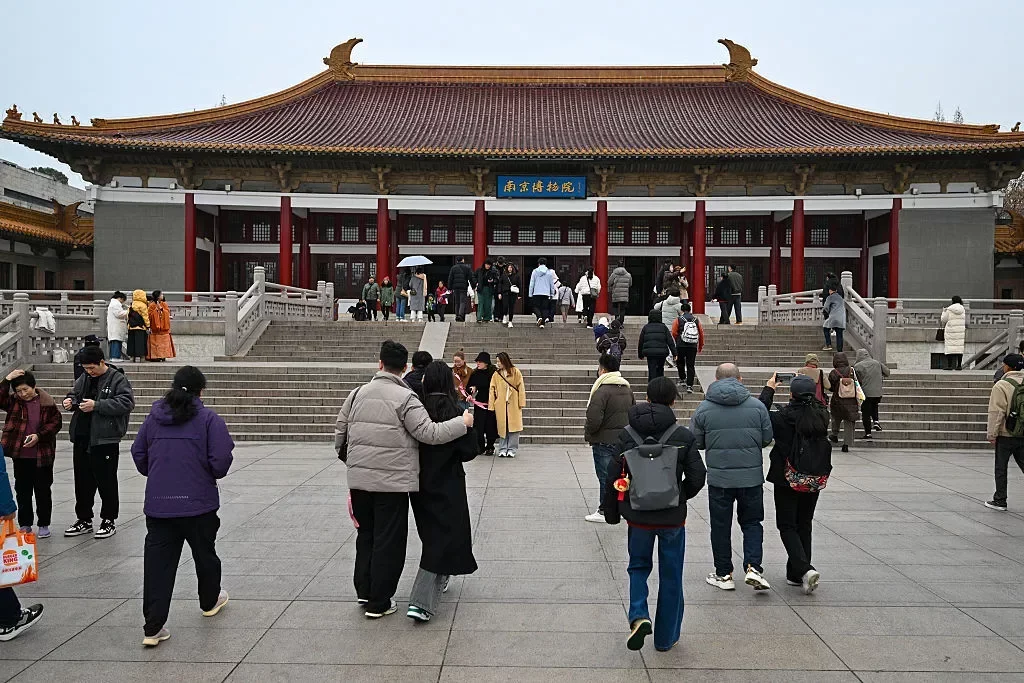
This initiative comes in the wake of a scandal at the Nanjing Museum, where investigations uncovered pervasive mismanagement and alleged corruption surrounding donated artworks intended for public preservation. The controversy began when a Ming dynasty painting, originally part of a donation from the family of collector Pang Laichen in 1959, reappeared at auction, valued in the tens of millions. This incident sparked widespread outrage and a formal inquiry.
The investigation revealed that museum officials had sanctioned improper transfers of artworks in the 1990s, allowing intermediaries to manipulate prices and resell pieces into private collections. By the time the situation was exposed, several artworks were missing, and numerous officials faced disciplinary actions.
In response to the backlash, the Nanjing Museum publicly acknowledged its "systemic problems" and the breach of trust with donors. Officials are now advocating for enhanced controls, stricter oversight, and a fortified "security defense line" to protect museum collections.
The implications of this audit extend beyond China's museums, potentially affecting the art market at large. Works with unclear ownership histories, particularly those from state collections of previous decades, might undergo increased scrutiny from auction houses and collectors. What once appeared as standard provenance could become a liability if more instances of artworks exiting museums through informal or illicit channels come to light.
However, the scope of this review suggests a broader issue at hand. It highlights vulnerabilities within the entire museum system, revealing gaps in record-keeping and accountability that allowed artworks to vanish unnoticed. The challenge now for authorities is not only to account for their possessions but also to restore public confidence in their ability to manage and protect cultural heritage.
As China embarks on this ambitious audit, it signals a commitment to transparency and integrity in cultural stewardship, which could reshape the landscape of art collection and preservation both nationally and globally.