Calvin Tomkins, a distinguished chronicler of contemporary art, passed away at the age of 100. Renowned for his insightful and engaging profiles of artists, Tomkins' work resonated with readers for over six decades. His passing was announced by David Remnick, editor of the New Yorker, where Tomkins contributed numerous pieces that illuminated the evolving art landscape.
Joining the New Yorker in 1960, Tomkins dedicated his career to exploring the contemporary art scene, forging deep connections with his subjects over extended periods. His extensive body of work offers a unique historical account of a transformative era in art, marked by significant aesthetic shifts and a booming art market.
Tomkins' writing style was characterized by its clarity and accessibility, making complex artistic concepts comprehensible to a broad audience. He believed in a collaborative approach to profiling artists, viewing these interactions as a dialogue rather than a mere interview. This perspective allowed him to capture the essence of his subjects, making their artistic journeys relatable.
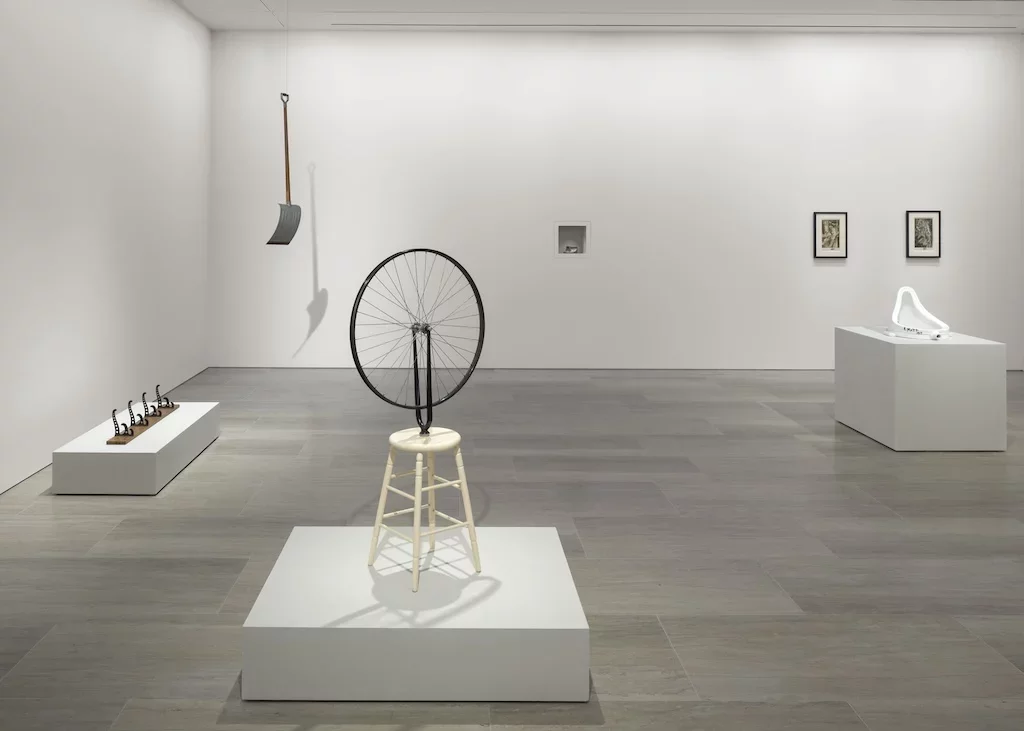
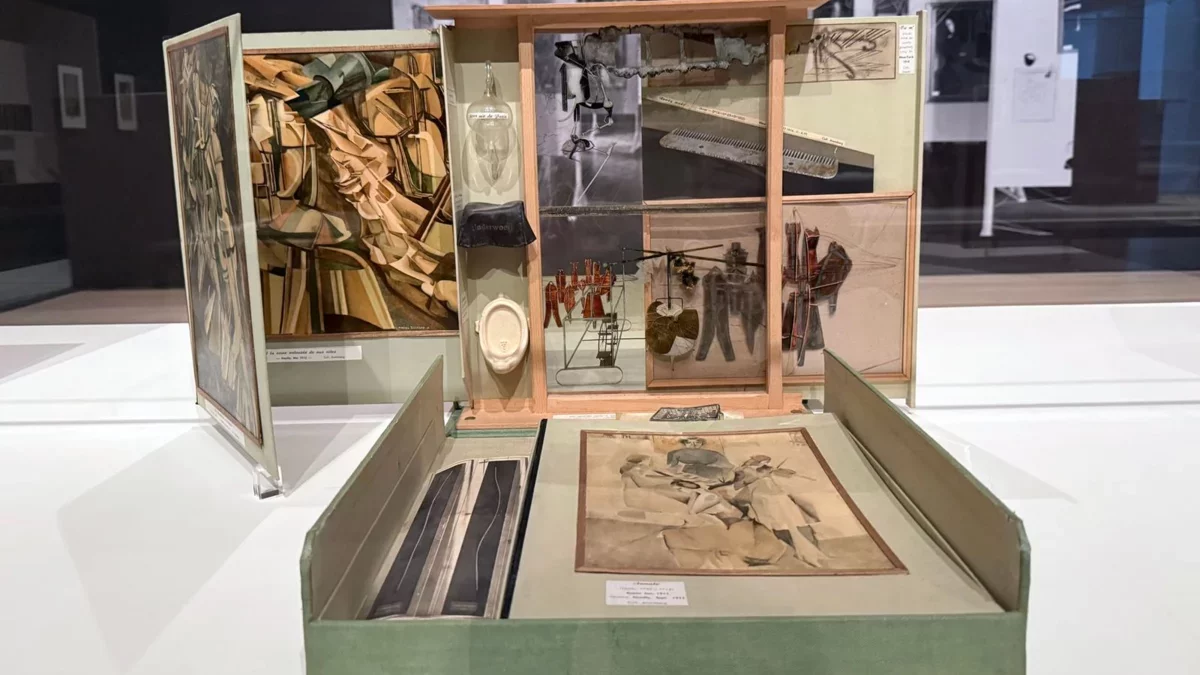
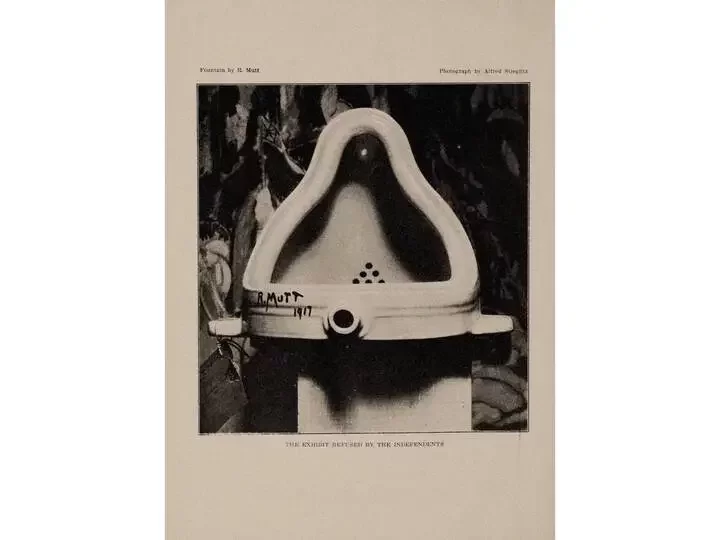
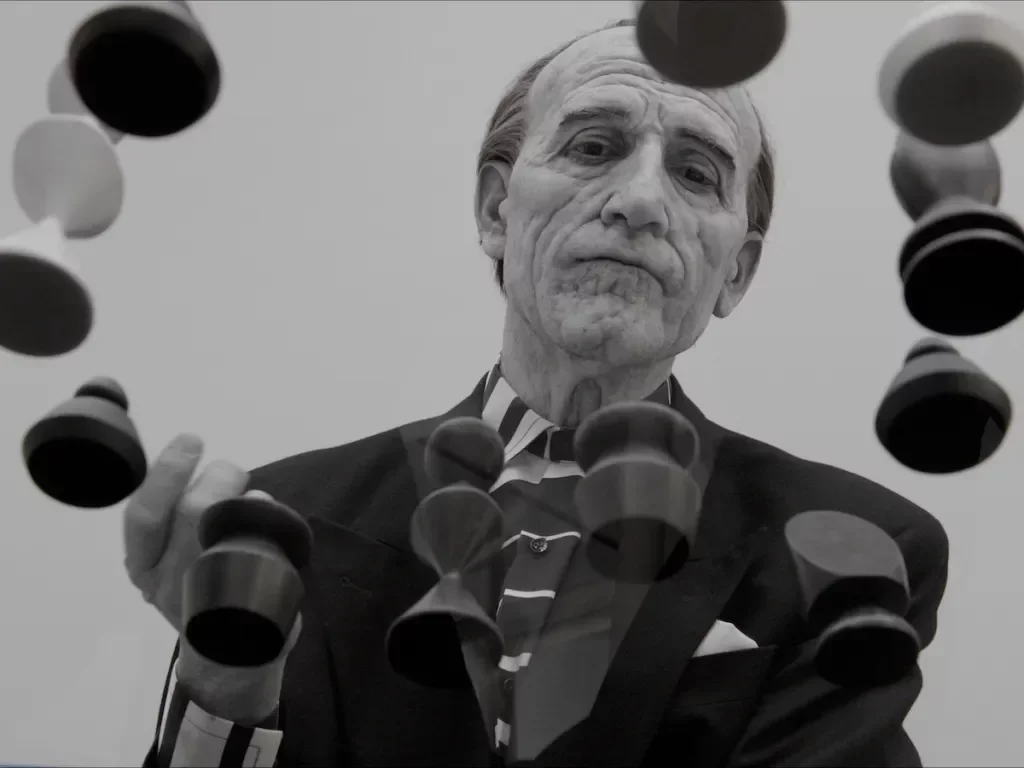
His entry into art journalism was serendipitous. While working at Newsweek, he was assigned to interview the then-obscure artist Marcel Duchamp. This chance meeting sparked a lifelong fascination with the art world, leading to a career that would see him engage with numerous influential figures, from John Cage to Robert Rauschenberg.
Throughout his career, Tomkins adeptly chronicled the rise of various art movements, including Pop art and Minimalism, providing readers with intimate insights into the thoughts and processes of leading artists. His profiles often conveyed a sense of familiarity, drawing readers into the personal lives of the artists he covered.
Born on December 17, 1925, in West Orange, New Jersey, Tomkins developed a passion for writing early in life, partly as a means to overcome a childhood stutter. After graduating from Princeton University, he served in the Navy and eventually ventured into journalism, where he would leave an indelible mark on the art world.
Tomkins' contributions to art criticism were not merely observational; they reflected a deep understanding of the challenges and triumphs faced by artists. He recognized the tension between artistic freedom and market pressures, often highlighting the resilience of artists in the face of such challenges.
His legacy will continue through his writings, which remain a vital resource for understanding the evolution of modern art. The Museum of Modern Art holds his archives, ensuring that future generations can access his invaluable insights.
As we reflect on Tomkins' remarkable life, his ability to bridge the gap between artists and the public serves as a reminder of the profound impact that art can have on society. His work will undoubtedly inspire future generations to explore and appreciate the ever-evolving world of contemporary art.