The Portland Museum of Art is currently showcasing David C. Driskell: Collector, a heartfelt homage to an influential artist and scholar deeply connected to Maine. Driskell is renowned for curating one of the most significant collections of African-American art in the United States.
Driskell's journey as a collector began in 1955 when he became an art professor at Talladega College. He shared in a 2017 lecture that he allocated a portion of his modest salary--starting at $3,000--each year to build his collection.
In the 1960s, Driskell shifted his focus to African-American artists. His curatorial prowess was solidified in 1976 with the groundbreaking exhibition Two Centuries of Black American Art, which toured across the nation and established his role as a leading authority in this field. This exhibition was part of his enduring mission to highlight the importance of Black artists in the narrative of American art history.
The artworks featured in Collector showcase the diverse styles within Driskell's collection. Among them is Edward Mitchell Bannister's painting Untitled (Walking in the Woods) from the 1880s, which embodies the Romanticism movement of 19th-century American art. In contrast, Loïs Mailou Jones's vibrant Paris (1962) captures the essence of Impressionism through its depiction of the Luxembourg Gardens.
Driskell's collection also includes striking sculptures, such as Elizabeth Catlett's Mother and Child (1977-78), which presents a unified form of the two figures. Meta Vaux Warrick Fuller's Secret Sorrow (Mother and Child) (circa 1914) reflects the influence of Rodin, showcasing the emotional depth of this timeless theme.
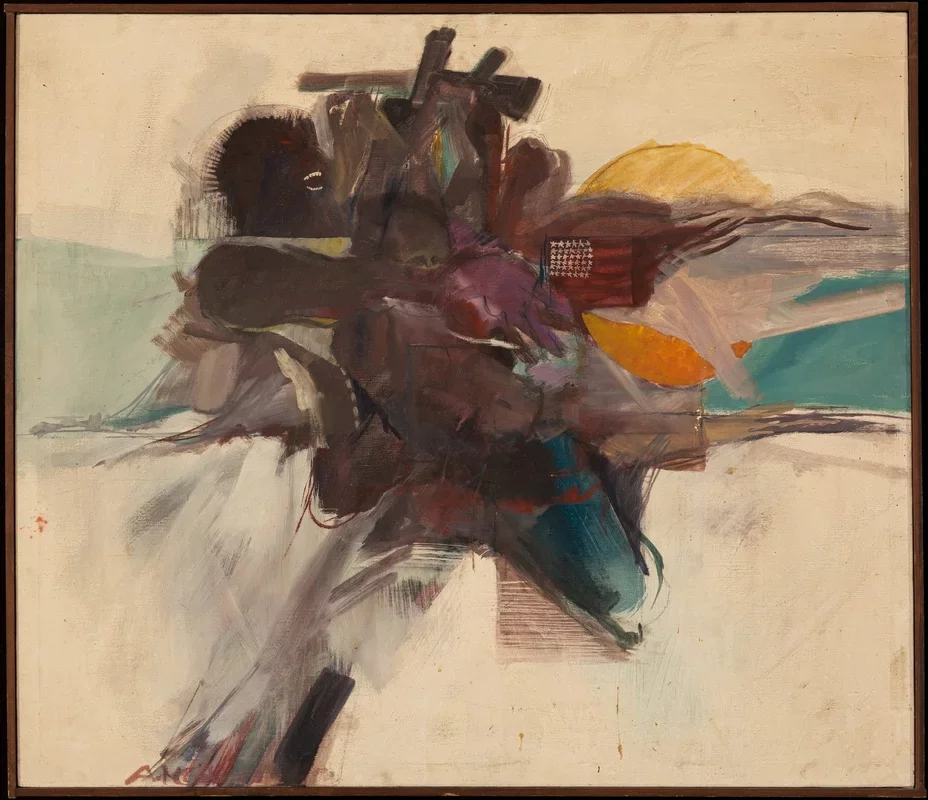
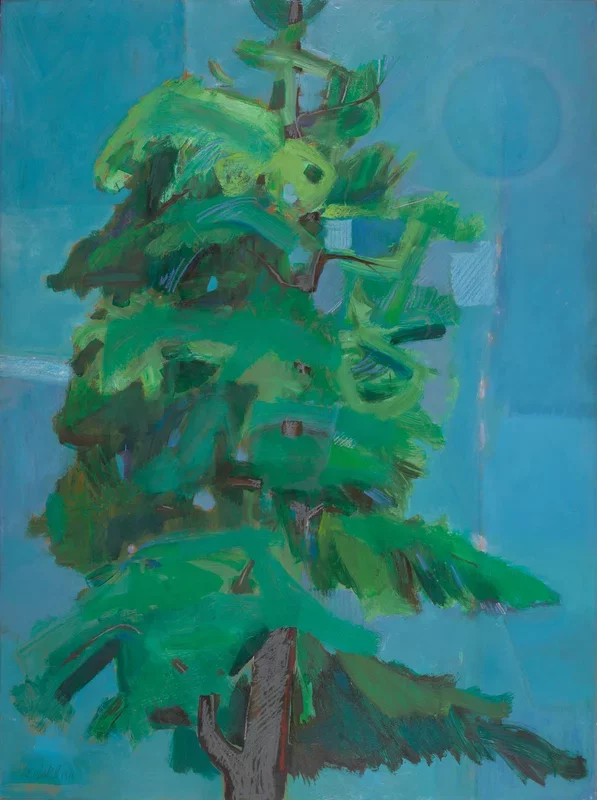
Driskell's own artistic contributions are represented in the exhibition, ranging from a social realist self-portrait from 1953 to the abstract piece Night Vision (2001), which highlights his innovative use of various techniques.
The exhibition promotes visual dialogues between the pieces. For instance, Romare Bearden's Urban Street Scene (1974) resonates with Driskell's Ghetto Wall #2 (1970), linking themes of community and social commentary. Similarly, Driskell's Frost and Ice, Maine (1977) and Alma Thomas's untitled watercolor from 1964 both explore natural phenomena through abstract representations.
Visitors are greeted by Driskell's self-portrait, which hangs above a marble statue of General Ulysses S. Grant, creating a thought-provoking interaction between the two figures.
Beyond his collection, Driskell's legacy continues to inspire contemporary Black artists. The High Museum of Art in Atlanta awards the annual David C. Driskell Prize in African American Art and Art History to honor those advancing this vital art form.
Alison Saar, the 2025 prize recipient, remarked on the significance of Driskell's contributions to the Black arts community, emphasizing the profound impact of his collected and created works.
David C. Driskell: Collector will be on display at the Portland Museum of Art until March 1, curated by Shalini Le Gall.