A new membrane system could help move water treatment beyond capturing persistent chemicals to breaking them down. In a 58-day laboratory test, it removed 93-99% of six PFAS compounds from contaminated water and achieved 83% overall defluorination.
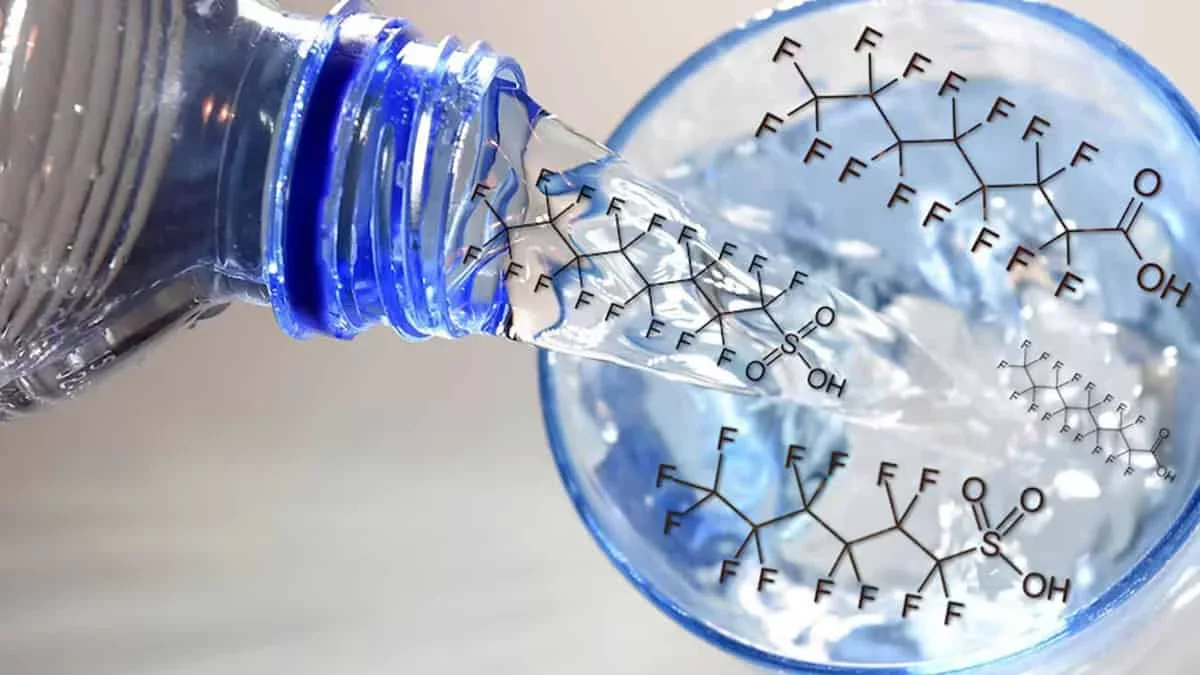
PFAS, often called "forever chemicals," are a broad group of synthetic substances known for resisting degradation. Conventional filters can remove them from water, but often leave the pollutants concentrated in spent materials or waste streams that need further treatment.
Hydrogen-powered chemistry
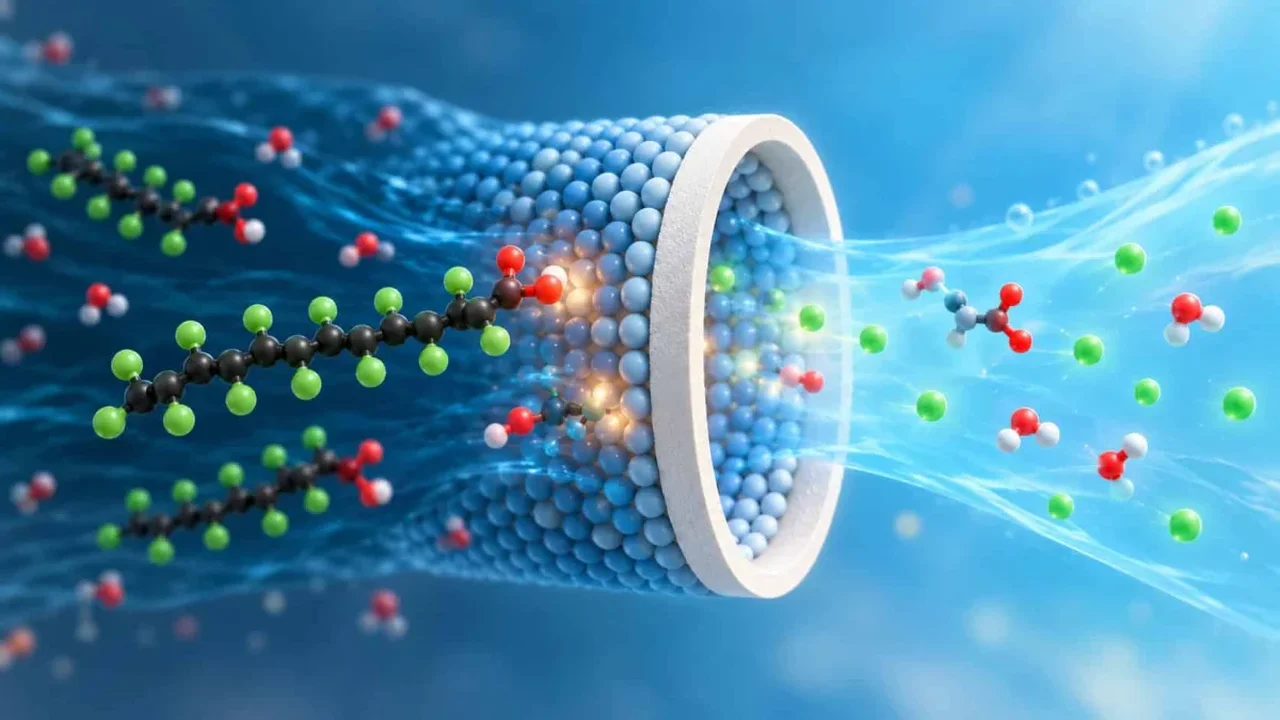
Developed by a team led by Bruce Rittmann at Arizona State University with international collaborators, the system uses hollow fibers coated with palladium nanoparticles. Hydrogen passes through the fibers, where palladium separates it into reactive atoms. PFAS molecules attach to the catalyst, allowing hydrogen to replace fluorine atoms and gradually dismantle their chemical structures. The process is known as hydrodefluorination.
The researchers tested a mixture of six PFAS, including PFOA and PFOS. The membrane performed better on some compounds than others; shorter-chain chemicals, particularly GenX, were more resistant, although the team also detected GenX breakdown products.
Early results, with scale-up ahead
The experiment processed about four liters of water under acidic conditions and at a relatively high PFAS concentration. The researchers say further work is needed to assess performance with larger volumes and lower concentrations, as well as to improve catalyst durability and limit palladium loss. The findings were published in PNAS.
One potential use is to pair the membrane with existing filters, treating a smaller, concentrated waste stream rather than an entire water supply. If developed for practical use, this approach could help make future water treatment systems better equipped to remove and break down persistent contaminants.