A well-planned training routine should reflect your goals, experience, schedule and available equipment--not simply follow a passing fitness trend. An upper-lower split organizes sessions around the upper and lower body, giving each half time to recover while the other is trained.
With a four-day schedule, you can alternate upper- and lower-body workouts so each major muscle group is trained about twice weekly. Sessions can include three to five exercises, balancing foundational lifts with accessory movements. This structure can support muscle-building goals while allowing more focused work than a full-body session.
Example lower-body session
Choose movements that cover different patterns: a hip-dominant lift such as a dumbbell Romanian deadlift (4 sets of 6-8 reps), a goblet squat (3 sets of 8-10), walking lunges (3 sets of 8-10 steps per leg) and lateral lunges (3 sets of 8-10 per leg). Keep weights close to the body during Romanian deadlifts, brace your core for squats, and use a comfortable range of motion.
Example upper-body session
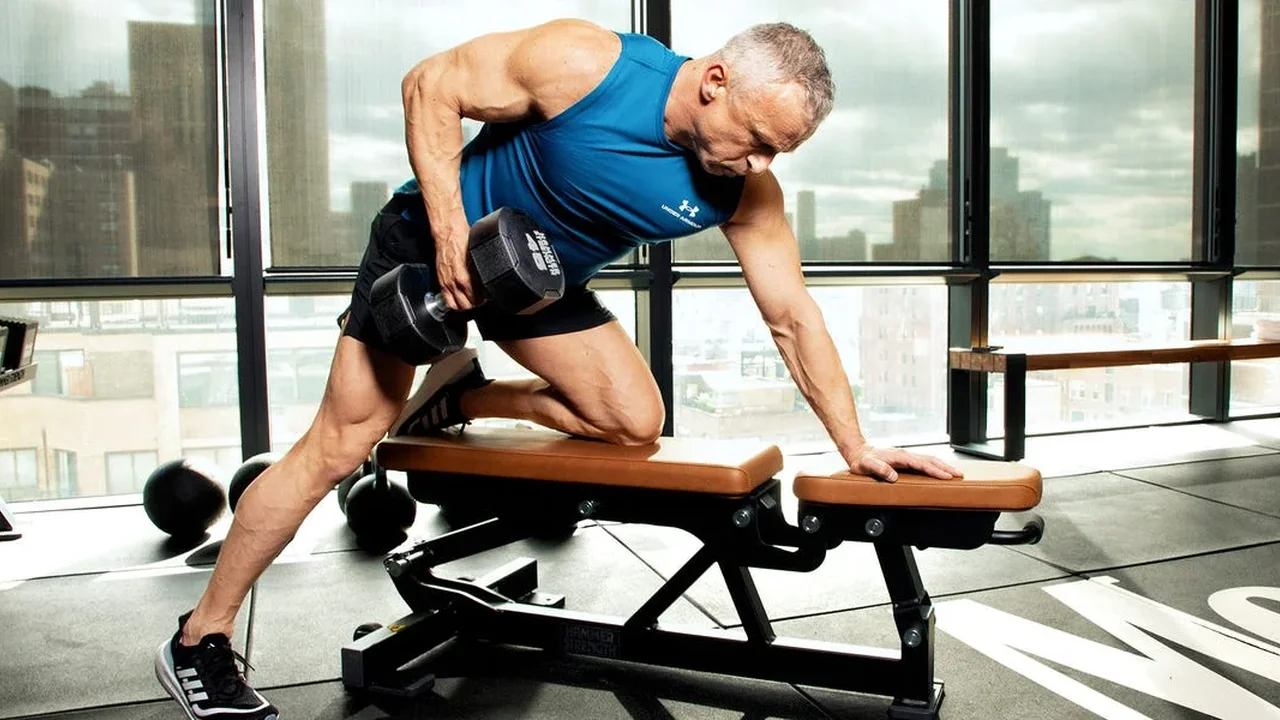
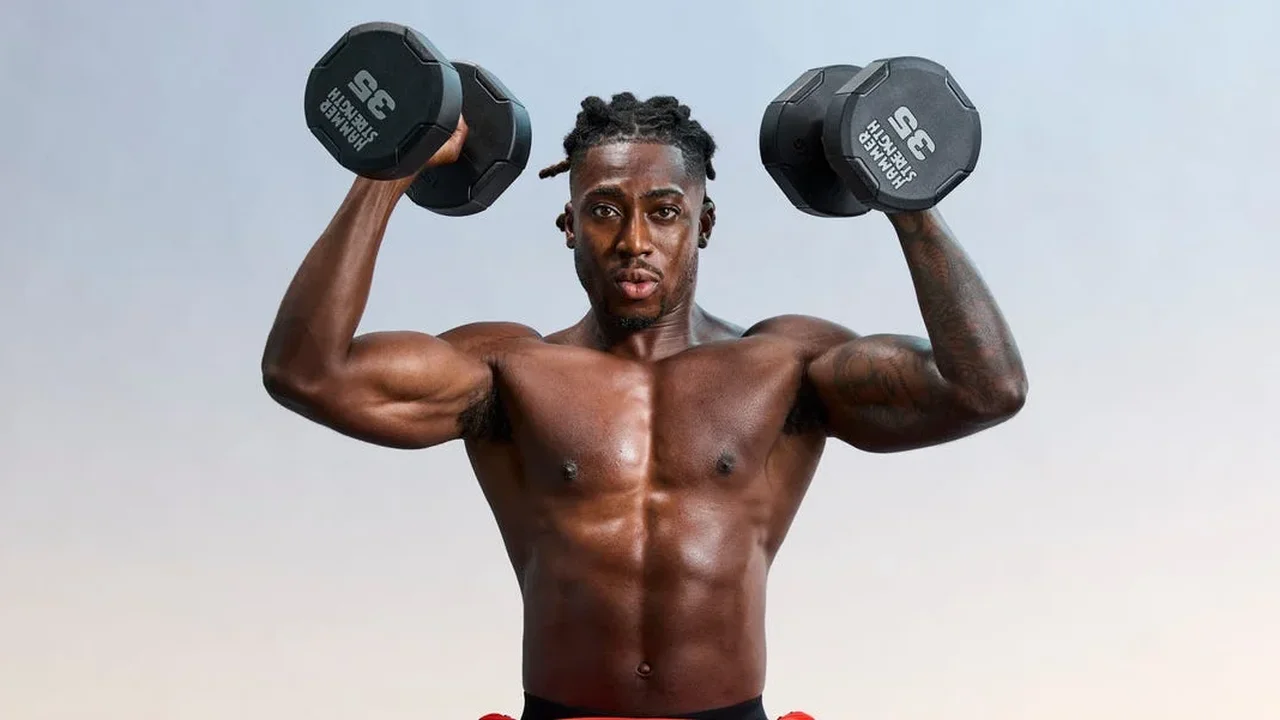
Combine pulling, pressing and arm work: a dumbbell row (3 sets of 8 reps), incline dumbbell press (3 sets of 8), half-kneeling overhead press (3 sets of 8-10) and cable triceps pressdowns (3 sets of 8-12). Maintain a stable torso and use controlled movement throughout each exercise.
How to plan the week
Across the program, include lower-body hip- and knee-dominant movements, single-leg work and lateral movement. For the upper body, combine rows, chest presses, overhead presses and arm exercises. Select exercises that match your ability and equipment, and allow enough recovery between sessions.
The format does require several major muscle groups to be trained in one workout, which can make later exercises feel demanding. It also works best when you can train consistently across four days; people with an irregular schedule may prefer a more flexible routine.
By pairing consistent training with recovery and a schedule that fits everyday life, this approach can make strength work easier to sustain--and help more people build long-term fitness habits.