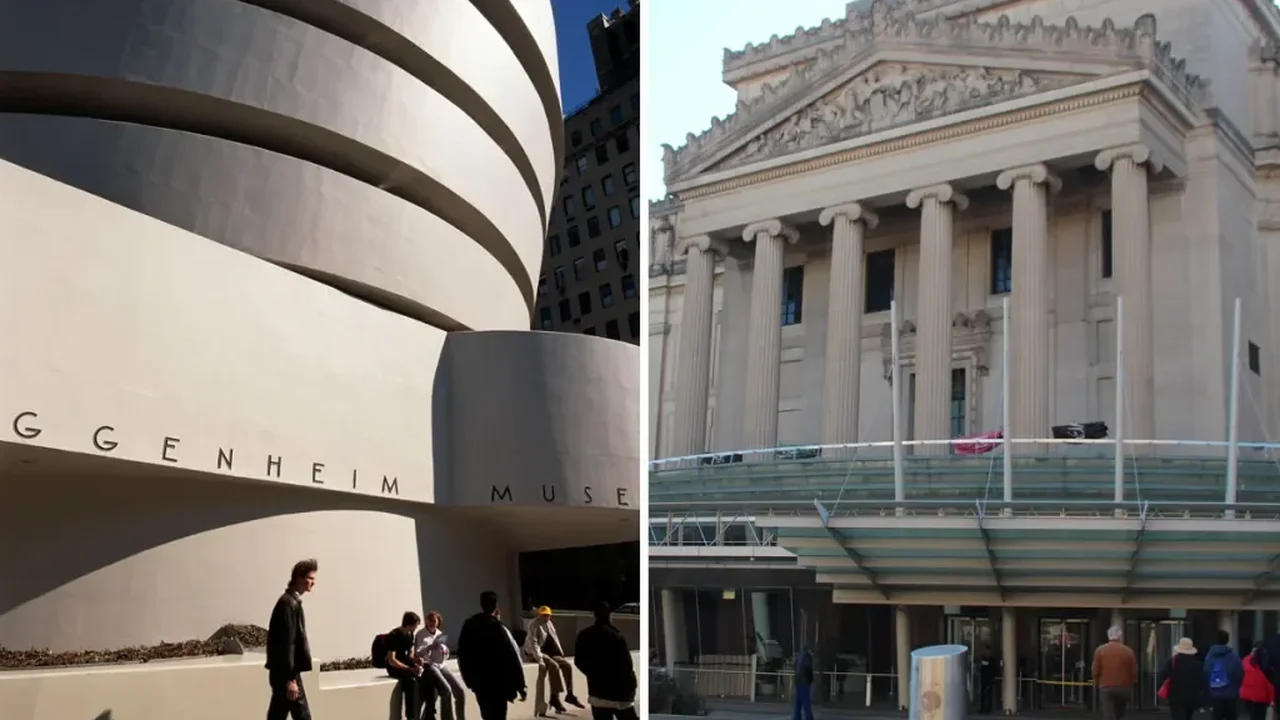
In August, the Henry and Rose Pearlman Foundation made headlines by announcing the distribution of its 63 artworks to three prominent art institutions: the Museum of Modern Art, the Los Angeles County Museum of Art, and the Brooklyn Museum.
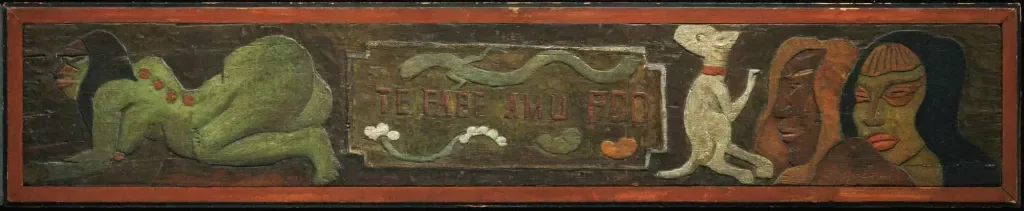
Among the treasures gifted to the Brooklyn Museum is Paul Gauguin's painted relief panel Te Fare Amu, which dates back to the late 19th or early 20th century. Originally crafted to embellish the entrance of Gauguin's Polynesian home, this piece has a rich history.
The Art Newspaper recently highlighted the intriguing background of this suggestive panel, which was acquired by Henry Pearlman in Paris in 1954 from a private collector. The artwork features a crouching nude female figure adorned with red dots along her spine and striking red lips. Notably, Gauguin originally depicted her genitals in red, but Pearlman later covered them with green paint to prevent the piece from being classified as indecent by U.S. Customs.
This alteration has rendered the artwork in its current censored state for decades. The Pearlman Foundation's website even includes an x-ray image revealing the original depiction before the overpainting occurred.
In 2017, a conservator from the Art Institute of Chicago, where Te Fare Amu was displayed during the "Gauguin: Artist as Alchemist" exhibition, advised against removing the green paint. The adherence of the green pigment to the original vermillion made any attempts to restore the piece potentially damaging.
Currently, Te Fare Amu is showcased at LACMA as part of the "Village Square: Gifts of Modern Art from the Pearlman Collection" exhibition, running until July 19. Following this, the exhibition will travel to the Brooklyn Museum this fall, where conservators plan to reassess the overpainting. A spokesperson for the museum indicated that the conservation team will thoroughly investigate the situation.